 Save
Save My cousin showed up at my apartment one rainy Tuesday with nothing but a craving and a question: could I make mac and cheese that didn't taste like the boxed stuff we grew up on? I had some cheese in the fridge—a wedge of sharp cheddar, some Gouda, a little blue cheese I wasn't sure about—and suddenly the answer felt obvious. That first baked version, golden and bubbling and ridiculously creamy, became the dish I make whenever someone needs comforting or celebrating.
I made this for my roommate during a particularly rough week at her job, and she sat at the kitchen counter while it baked, just breathing in the smell of butter and cheese and caramelizing breadcrumbs. We didn't talk much, but she had three servings that night, and the next day she texted me a photo of the leftovers she was eating straight from the dish at midnight. Food doesn't always need words.
Ingredients
- Elbow macaroni (400 g): Short pasta shapes are your friend here because they trap the sauce in every curve—if you use spaghetti it'll slide right off and pool at the bottom.
- Unsalted butter (2 tbsp, plus 1 tbsp melted): You control the salt this way, which matters when you're using four types of cheese that each bring their own sodium to the party.
- All-purpose flour (2 tbsp): This is your thickener—don't skip it or you'll end up with sauce that separates after the second day in the fridge.
- Whole milk (500 ml): Don't use low-fat milk here; it breaks too easily when it meets the cheese and you'll get that weird grainy texture.
- Sharp cheddar cheese (100 g shredded, plus 30 g for topping): The sharp version actually melts smoother than mild cheddar because of how the curds break down—I learned this the hard way after trying to economize.
- Gouda cheese (80 g): This is the secret ingredient that makes people ask what's different—it adds a subtle smokiness that regular cheddar can't touch.
- Mozzarella cheese (80 g): Fresh mozzarella will turn stringy and weird, so use the pre-shredded kind or low-moisture mozzarella; it keeps the sauce silky.
- Blue cheese (40 g): Crumble it yourself from a block rather than using pre-crumbled—the pre-crumbled stuff has starch that makes the sauce cloudy.
- Salt and black pepper: Taste as you go because the cheeses contribute their own salt levels and it varies by brand.
- Ground nutmeg (1/4 tsp, optional): This tiny amount doesn't make it taste nutmeg-y; it just rounds out the cheese flavors and makes people unconsciously reach for another forkful.
- Dijon mustard (1 tsp, optional): A dab of this sharpens the whole dish without making it tangy—it's the adult version of how ketchup makes kid mac and cheese sing.
- Panko breadcrumbs (40 g): Regular breadcrumbs get too dense and wet; panko stays crispy because of the air pockets in each piece.
- Melted butter for topping (1 tbsp): This keeps the breadcrumbs from turning into cardboard during baking.
Tired of Takeout? 🥡
Get 10 meals you can make faster than delivery arrives. Seriously.
One email. No spam. Unsubscribe anytime.
Instructions
- Get your oven ready and prep the dish:
- Heat your oven to 190°C (375°F) and butter or oil a 2-liter baking dish so nothing sticks—glass dishes work great because you can see that golden color developing on the bottom.
- Cook the pasta until just barely done:
- Boil your pasta in salted water and pull it out when it's still got a little bite to it—it'll keep cooking in the oven and you don't want mush. Drain it well but don't rinse it; the starch helps the sauce cling.
- Build your cheese sauce from the roux:
- Melt butter over medium heat, whisk in flour, and let it cook for about a minute so the flour loses that raw flavor—this is called making a roux and it's what keeps the sauce smooth instead of lumpy. Keep whisking so it doesn't brown.
- Bring the milk into the party slowly:
- Pour the milk in gradually while you whisk constantly, which keeps lumps from forming—this is the move that separates good sauce from scrambled-looking disaster. Once it's smooth, let it bubble gently for a few minutes until it thickens enough to coat the back of a spoon.
- Add the cheeses and season with intention:
- Turn the heat down to low so the cheeses melt gently without breaking, stirring until everything is creamy and combined. Add salt, pepper, nutmeg if you want that subtle richness, and mustard if you're going for extra depth—taste before you stop.
- Toss everything together:
- Add the cooked pasta to the cheese sauce and stir until every piece is coated in that golden creaminess.
- Transfer to your baking dish:
- Pour the whole thing into your prepared dish and spread it out evenly so it bakes uniformly.
- Make the crispy top:
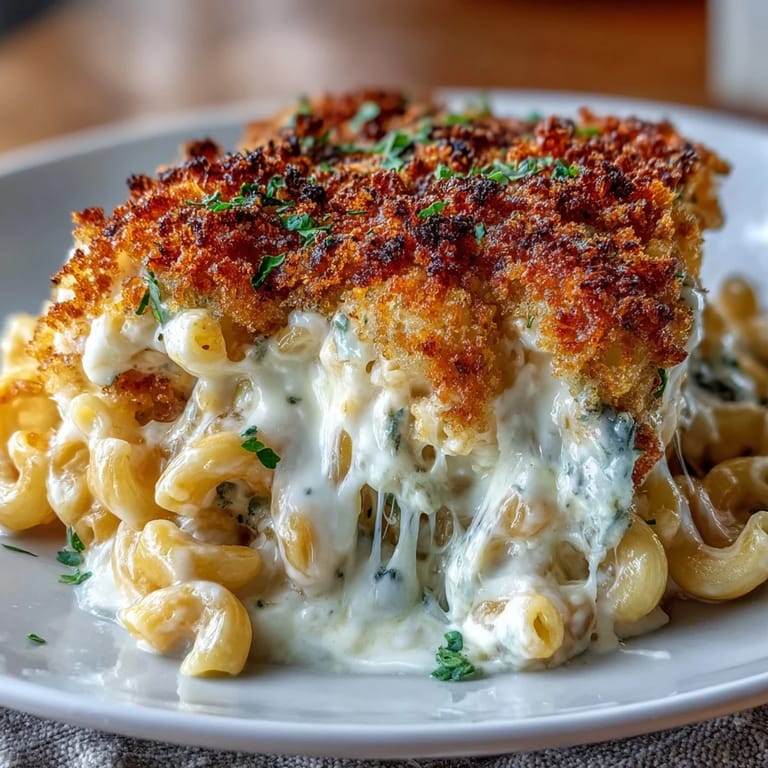
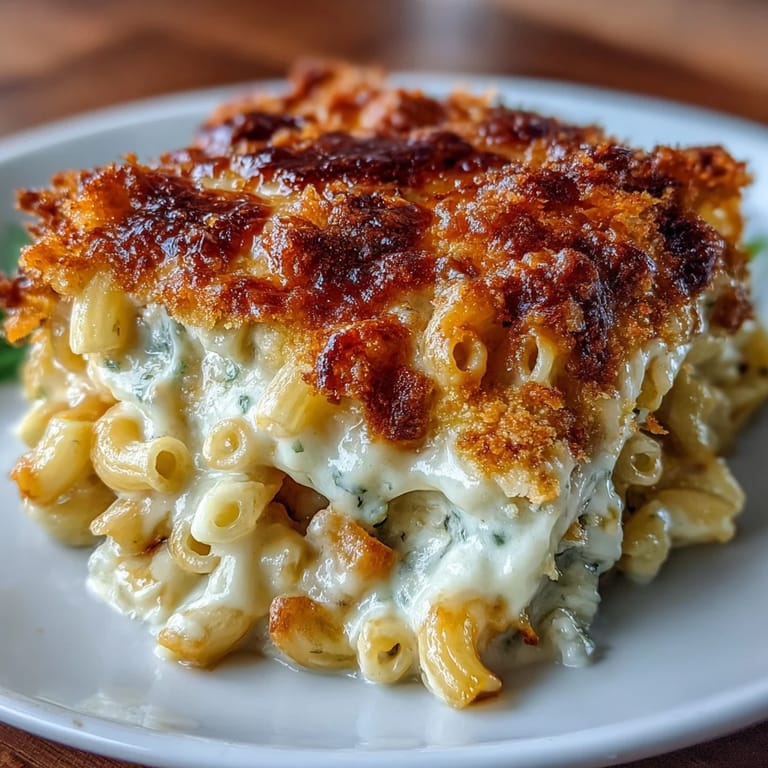
- Mix panko with melted butter in a small bowl so every breadcrumb gets coated—this is how you get crispy instead of dried out. Sprinkle it over the pasta and add that last handful of sharp cheddar on top.
- Bake until it's golden and bubbling:
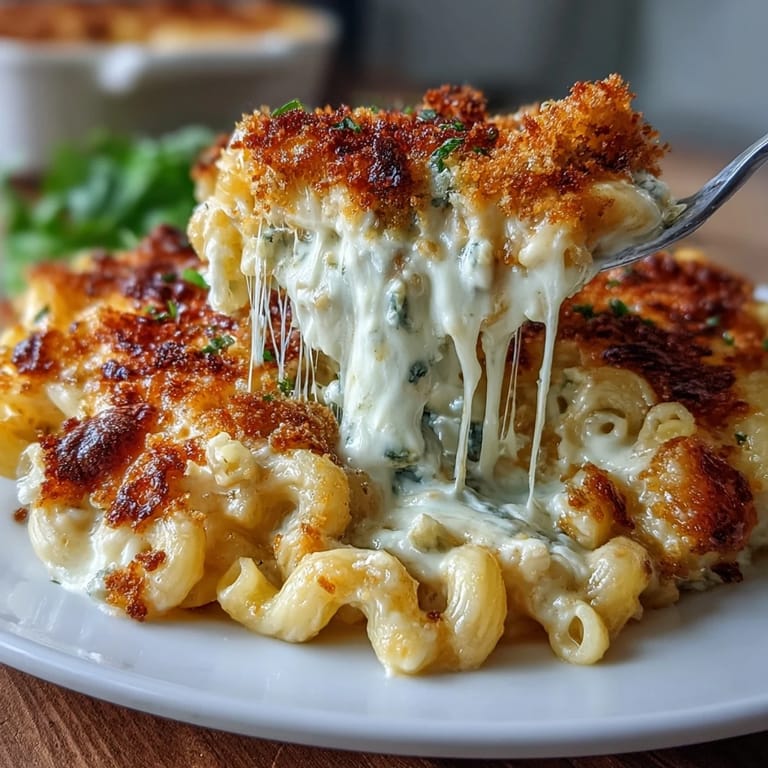
- Bake for 20 to 25 minutes, watching through the oven window in the last few minutes—you want the top golden brown and the edges bubbling up. Let it rest for 5 minutes before serving so it sets just enough to scoop cleanly.
 Save
Save My neighbor smelled this baking one afternoon and ended up at my door with wine and a desperate look on her face, and we split it straight from the dish while sitting on my kitchen floor talking about everything and nothing. That's when I realized this recipe is actually about feeding people's souls, not just their stomachs.
When You Want to Make It Your Own
The blue cheese is polarizing, I know—some people think it's genius and others think I've lost my mind. If you're in the second camp, just use another quarter cup of sharp cheddar instead and the dish loses that peppery kick but gains more classic comfort food vibes. Add crumbled bacon if you want to go richer, or sautéed mushrooms if you want something earthy to break up the cheese richness.
Timing and Make-Ahead Magic
This whole thing takes about 50 minutes from start to finish, but you can actually assemble it completely the night before, cover it with plastic wrap, and bake it straight from the fridge the next day—just add five minutes to the baking time since it's cold. I've also reheated leftovers in a 160°C oven covered with foil for about 15 minutes and they come back to life almost perfectly.
What to Serve Alongside It
This is rich enough that you don't need much—a big sharp green salad with a simple vinaigrette cuts through the cheese and makes your whole meal feel balanced. A cold glass of Chardonnay pairs beautifully if you're in that mood, or just ice water if you want to let the cheese be the star.
- Make the salad ahead so you can just toss it together while the mac and cheese rests.
- If you're cooking for guests, prep the pasta and sauce separately the day before, then combine and bake the day of for maximum freshness.
- Leftovers reheat beautifully and actually develop deeper flavor by the next day, so don't hesitate to make extra.
 Save
Save This mac and cheese has become my go-to when someone needs feeding, celebrating, or comforting—it's humble enough to feel homey but fancy enough that people feel actually cared for. Make it once and you'll understand why.
Recipe FAQ Section
- → What pasta works best for this dish?
Elbow macaroni or other short pasta shapes like shells or rigatoni hold cheese sauce well and bake evenly.
- → Can I substitute any of the cheeses?
Yes, swapping blue cheese for extra cheddar will mellow the flavor while keeping creamy richness intact.
- → How do I achieve a crispy topping?
Toss panko breadcrumbs with melted butter and sprinkle over the top before baking for a golden, crunchy crust.
- → Is there an alternative to Dijon mustard?
Dijon adds tang and depth; you can omit it or use a mild mustard if preferred without sacrificing texture.
- → How can I add extra flavors?
Incorporate cooked bacon, sautéed mushrooms, or herbs like thyme for additional savory notes.