 Save
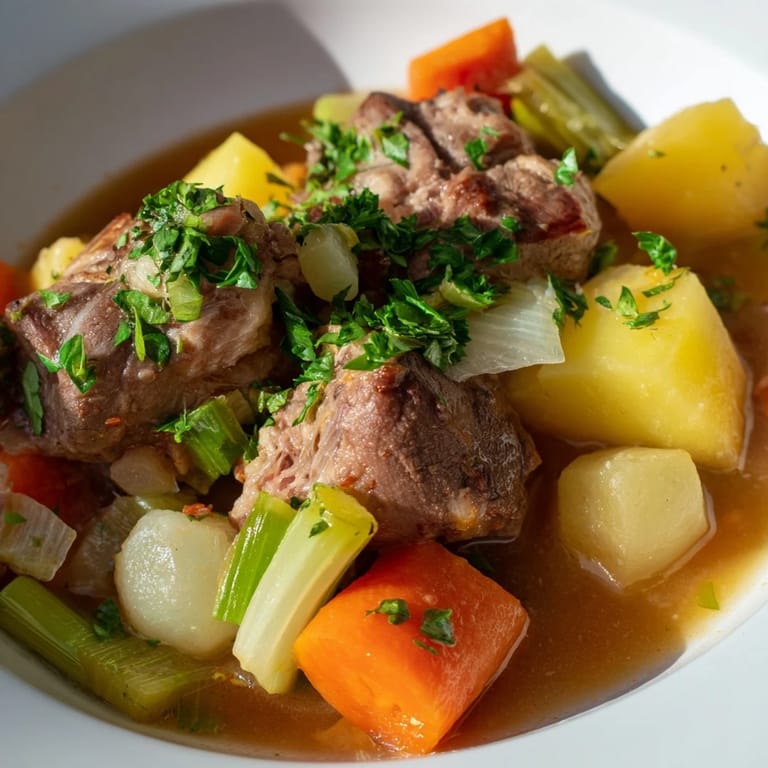
Save My grandmother's kitchen always smelled like cawl on winter Sundays—that particular warmth of lamb and root vegetables mellowing together over hours. She'd start it early, almost as a ritual, letting the stew become something deeper than the sum of its parts. I watched her skim the foam with patient hands, moving slowly through each step as if time itself was an ingredient. There's something about Welsh cawl that feels less like cooking and more like creating a moment of comfort you can spoon into a bowl.
I made cawl for the first time on my own during my first winter in a house with a proper kitchen. My partner came home to the smell of it and just stood in the doorway, quiet for a moment, and I realized I'd accidentally created something that felt like belonging. That's when I understood why my grandmother guarded this recipe—it wasn't the ingredients, it was what it did to the people eating it.
Ingredients
- Lamb shoulder: Bone-in if you can find it—the bones give the broth a deeper, richer character that boneless meat simply can't match, and the meat pulls apart into tender strands.
- Carrots and parsnips: They soften into the broth and add natural sweetness that balances the savory lamb beautifully.
- Potatoes and swede: These create the body of the stew, becoming creamy and almost melting as they cook down.
- Leeks: The soul of cawl—add them in two stages so some meld into the broth while others stay tender with texture.
- Stock: Low-sodium is crucial here because the flavors concentrate as it simmers and you need control over saltiness.
- Bay leaves and parsley: Bay leaves infuse quietly while parsley added near the end keeps things fresh and bright.
Tired of Takeout? 🥡
Get 10 meals you can make faster than delivery arrives. Seriously.
One email. No spam. Unsubscribe anytime.
Instructions
- Start your foundation:
- Place lamb chunks in your pot and cover with stock, then bring it to a rolling boil. You'll see grey foam rise to the surface—skim it away gently, which keeps the broth clear and clean-tasting.
- Let it rest and mellow:
- Add bay leaves, drop the heat low, cover the pot, and let it simmer undisturbed for a full hour. The lamb needs this time to begin surrendering its toughness.
- Build in layers:
- Add your carrots, parsnips, potatoes, swede, onion, and most of the leeks, seasoning as you go. This is where the magic begins—each vegetable softening and flavoring the broth while the lamb continues breaking down.
- Finish with patience:
- Simmer for another 45 minutes until vegetables are completely tender and the lamb yields to the gentlest pressure. You'll notice the broth has darkened and deepened.
- Wake it up at the end:
- Stir in the reserved fresh leeks and parsley, simmering just 10 more minutes so they retain some brightness against the deep, slow-cooked flavors.
- Taste and adjust:
- Remove bay leaves, then taste carefully—this is your moment to balance salt and pepper to your preference.
 Save
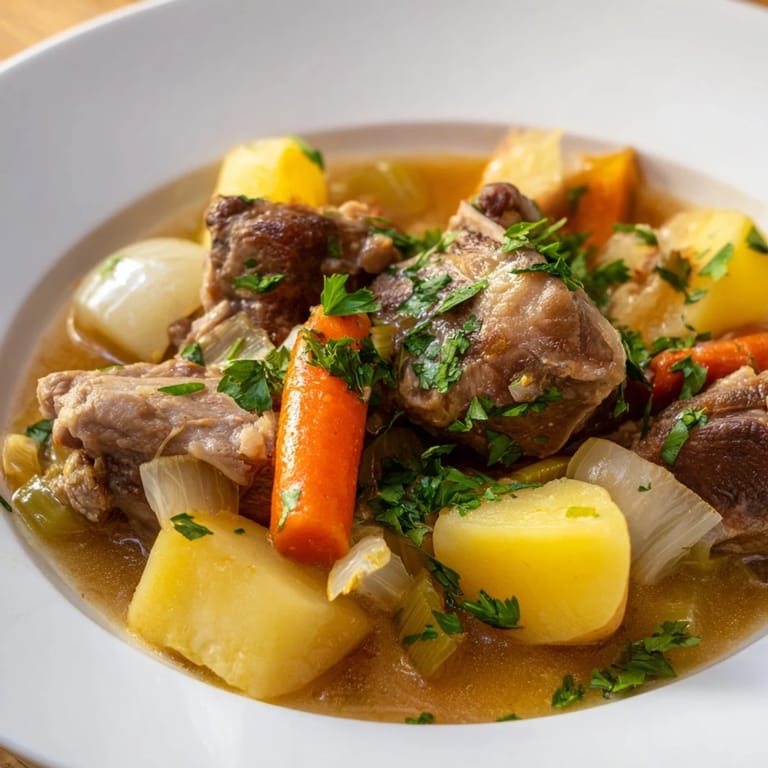
Save There's a moment, about halfway through cooking, when you lift the lid and the steam rises and suddenly your whole afternoon has shifted into something quieter and more intentional. My kitchen fills with this golden warmth, and I realize this is why people gather around food—because it gives us permission to slow down.
A Dish Made for Anticipation
Cawl isn't a recipe that rushes. It teaches you something about patience every time you make it. The lamb doesn't become tender through force or high heat—only through time and gentle simmering. I've learned to use those two hours as an invitation to do something else, something slow, rather than watching and waiting. The best meals are often made while you're not looking directly at them.
Why Tomorrow Makes It Better
My grandmother taught me to make cawl the day before serving it, and I resisted this at first—I wanted to eat it immediately. But she was right. The flavors settle overnight, the lamb becomes even more tender as it cools and reheats, and the broth develops this silky, concentrated depth that feels like it was always meant to be this way. It's one of those rare dishes that improves with rest.
Serving and Sharing Cawl
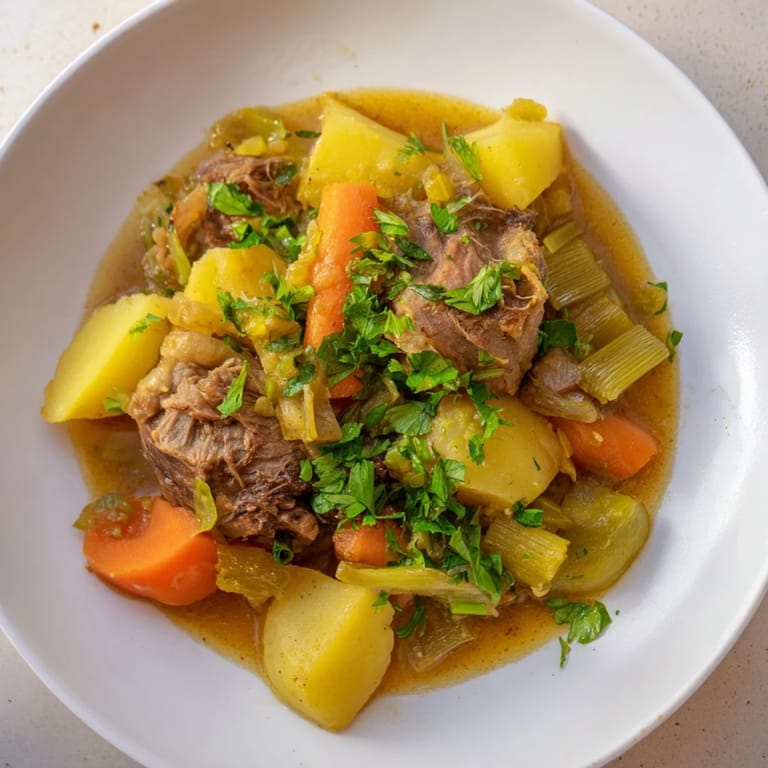
Pour it into wide bowls where people can see all the tender lamb and vegetables suspended in that gorgeous broth. Crusty bread on the side for soaking, or a slice of crumbly Welsh cheese alongside—either way, it's meant to be shared at a table where conversation matters more than rushing. This is food that says: sit down, stay awhile, let's take our time with this.
- If the broth ever reduces too much while cooking, add a splash of warm stock to loosen it back to a proper stew consistency.
- Leftovers keep beautifully in the fridge for four days and reheat gently on the stovetop without losing their character.
- Make a double batch—this is one of those recipes where extras in the freezer feel like a gift to your future self.
 Save
Save This is the kind of food that asks nothing of you except to show up and eat it slowly. There's a quiet wisdom in that simplicity.
Recipe FAQ Section
- → What cut of meat is best for this dish?
Lamb shoulder with bone-in is ideal for flavor and tenderness after long, slow simmering.
- → Can I substitute lamb with another meat?
Yes, beef or chicken can be used instead for a different but still delicious outcome.
- → Why are bay leaves used in the stew?
Bay leaves add subtle herbal notes and depth, enhancing the overall flavor complexity.
- → How long should the stew simmer?
About 1 hour initially, then an additional 45 minutes after adding vegetables, plus 10 minutes after adding leeks and parsley.
- → What side dishes complement this hearty stew?
Crusty bread or traditional Welsh cheese such as Caerphilly pairs beautifully to balance the rich stew.
- → Can this stew be prepared in advance?
Yes, making it a day ahead allows flavors to deepen, and leftovers reheat well for later enjoyment.