 Save
Save My neighbor brought over a jar of homemade guava paste one afternoon, and I stood there holding it, wondering what on earth to do with something so perfumed and pink. That evening, while slicing overripe bananas that were practically begging to become something, the cardamom in my spice rack caught my eye, and suddenly the whole thing clicked. This bread emerged from that happy accident, and it's been my answer ever since when someone asks what tropical comfort tastes like.
Last summer, I made three loaves of this to bring to a potluck, and watching people take that first bite, their faces lighting up at the guava-cardamom combination, made me realize some recipes are worth sharing. One guest asked for the recipe right there, standing in my kitchen with crumbs on their shirt, which felt like the highest compliment possible.
Ingredients
- Ripe bananas (about 2 medium): They should be spotted and soft enough that mashing them takes barely any effort; this is where the natural sweetness and moisture come from, so don't use firm ones.
- Guava pulp: Fresh or canned works beautifully, though if your canned version is seedy and you prefer a smoother crumb, a quick strain through a fine sieve makes all the difference.
- Lime zest: This small amount of brightness cuts through the tropical sweetness in the best way and makes the whole bread taste more refined.
- Light brown sugar: It dissolves more readily than white sugar and adds a subtle molasses note that complements cardamom perfectly.
- Neutral oil: This keeps the bread tender and vegan without needing dairy, and it won't compete with the delicate spice flavors.
- Unsweetened plant-based milk: Oat milk is my go-to because it adds a gentle richness, though almond or soy work just as well.
- Vanilla extract: A teaspoon is enough to round out the flavors without making this taste like a vanilla cake.
- All-purpose flour: Nothing fancy needed here; just make sure to measure by spooning and leveling, not scooping directly from the bag.
- Ground cardamom: This is the soul of the recipe, so use the real thing, not cardamom that's been sitting in your cupboard for three years.
- Baking soda and baking powder: The baking soda reacts with the acidic guava, while the baking powder ensures the bread rises evenly and has that tender crumb.
- Salt: A quarter teaspoon might seem tiny, but it amplifies all the other flavors and keeps everything from tasting flat.
- Walnuts or pecans (optional): Toasted nuts add a welcome crunch, though the bread is wonderful without them if you prefer a finer texture.
- Coarse sugar for sprinkling: This creates a subtle sparkle and slight crunch on top that catches your eye and your teeth in the nicest way.
Tired of Takeout? 🥡
Get 10 meals you can make faster than delivery arrives. Seriously.
One email. No spam. Unsubscribe anytime.
Instructions
- Set your oven and pan:
- Preheat to 350°F and grease a 9x5-inch loaf pan generously, then line the bottom with parchment paper so the finished bread releases like a dream. This temperature is the sweet spot for a bread that bakes through without browning too darkly on top.
- Create your fruit base:
- Mash the bananas in a large bowl until mostly smooth with just a few small lumps, then gently fold in the guava pulp and lime zest until they're evenly distributed. The fruit should be blended enough to create moisture but not pulverized into submission.
- Mix in the wet ingredients:
- Whisk together the brown sugar, oil, plant-based milk, and vanilla until the mixture looks emulsified and smooth, then stir this into your fruit base. You'll notice how the oil coats everything evenly, which is what keeps this bread so tender.
- Combine your dry ingredients:
- In a separate bowl, whisk the flour, cardamom, baking soda, baking powder, and salt together until there are no cardamom clumps hiding anywhere. This pre-mixing ensures the leavening agents and spices distribute evenly throughout the batter.
- Bring it together gently:
- Pour the dry mixture into the wet ingredients and stir with a spatula until you see no flour streaks, then stop immediately; overmixing develops gluten and makes the crumb tough. The batter should look slightly lumpy and casual, not smooth and glossy.
- Add optional crunch:
- Fold in the nuts if you're using them, scattering them throughout the batter rather than stirring vigorously. They'll stay suspended if the batter is still thick enough.
- Transfer and finish:
- Pour the batter into your prepared pan and gently smooth the top with a spatula, then sprinkle with coarse sugar for a subtle topping. Try not to overwork the surface.
- Bake until golden:
- Bake for 45 to 55 minutes until a toothpick inserted in the center comes out clean or with just a few moist crumbs clinging to it. The top should be golden brown and spring back slightly when you touch it.
- Cool with patience:
- Let the bread rest in the pan for 10 minutes so it firms up enough to release cleanly, then turn it out onto a wire rack to cool completely. Slicing too early releases steam and makes the crumb gummy, so this wait is worth it.
 Save
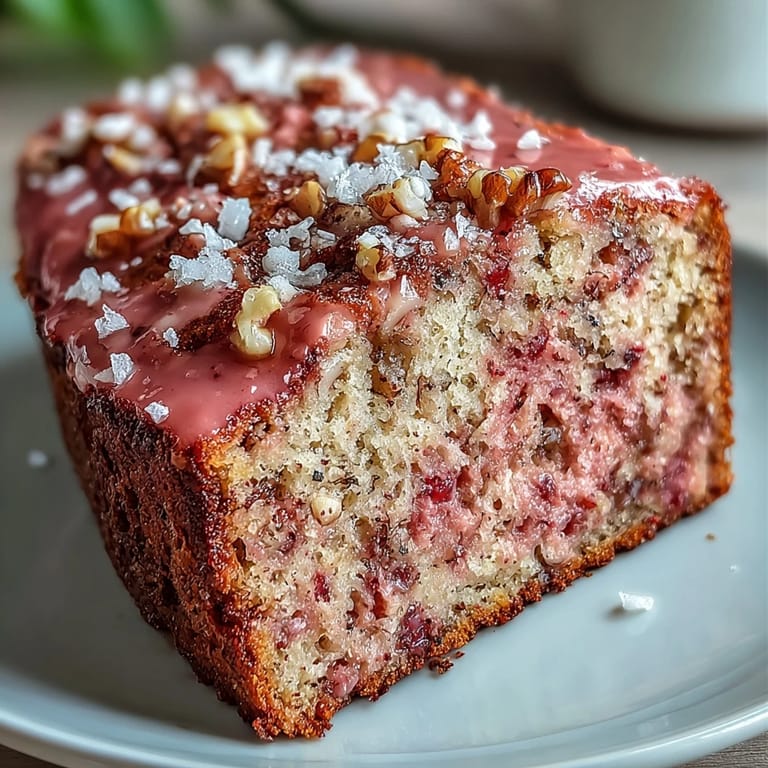
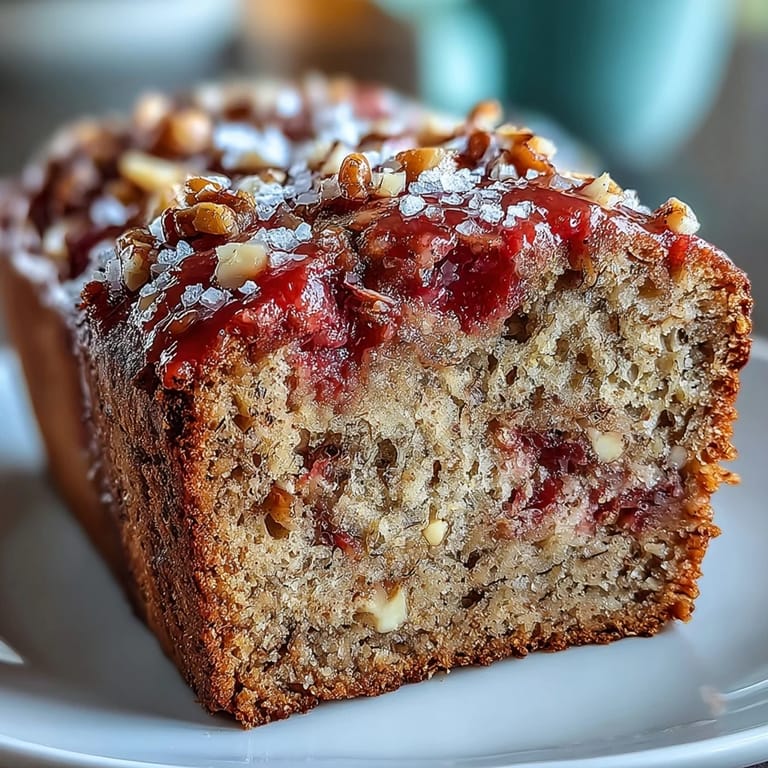
Save There's something almost magical about how a loaf that looks ordinary while baking fills the entire house with this warm, spiced, tropical perfume that makes everyone drift toward the kitchen. That moment when you slice into the cooled bread and find it's perfectly moist, studded with pockets of guava, is when you know you've stumbled onto something special.
When Guava Meets Cardamom
Cardamom isn't typically paired with tropical fruits, but that's exactly why it works so beautifully here; the spice's floral, almost minty warmth plays against the guava's tart sweetness in a way that feels both unexpected and inevitable. I spent weeks before trying this combination wondering if I was being too adventurous, but the first time I tasted it all together, I understood that sometimes the best discoveries come from following your instincts in the kitchen, even when they seem a little odd.
Making It Your Own
This recipe is forgiving enough to play with, and I've had wonderful results substituting the guava with mango or even pineapple puree when guava isn't available. The cardamom stays constant, but sometimes I'll add a quarter teaspoon of ground ginger or a tiny pinch of cayenne if I'm feeling a bit bold, and these tweaks always bring something new to the table without overshadowing what makes the bread special.
Serving and Pairing
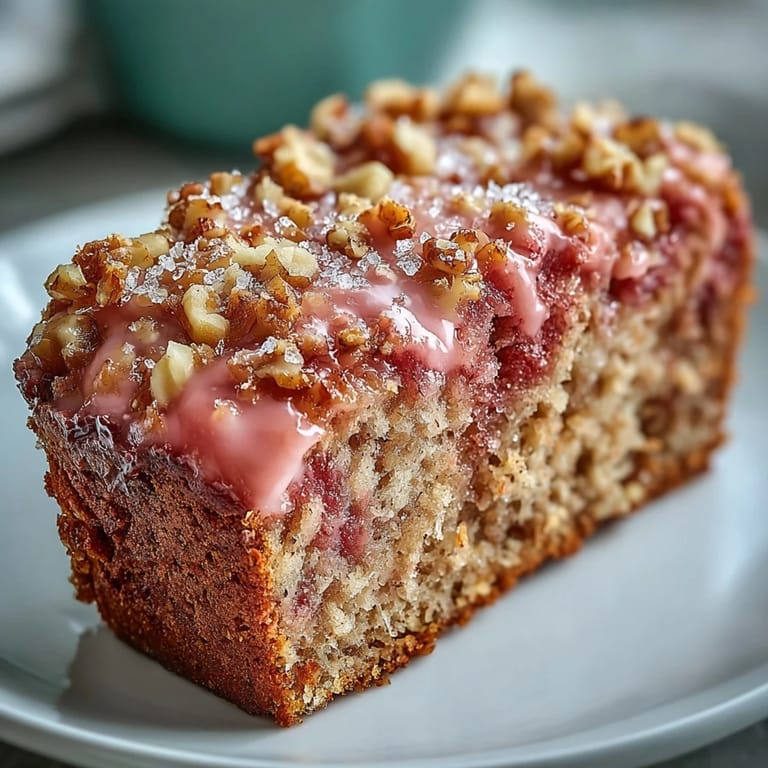
This bread is stunning on its own, but slice it and spread some vegan butter on while it's still slightly warm, and you'll understand why it's become my go-to for breakfast when I want to feel like I'm treating myself. I've also drizzled it with a simple lime glaze made from powdered sugar and fresh lime juice, and served it alongside chai or a tropical fruit tea, which turns a simple slice into a full experience.
- A thin spread of vegan butter on a warm slice makes the crumb even more luxurious and helps the flavors open up.
- Leftover bread stays fresh in an airtight container for three days and actually tastes better the next morning after the flavors have settled.
- This loaf freezes beautifully for up to two months, so make an extra one when you're already in the kitchen and thank yourself later.
 Save
Save This bread has a way of becoming a signature recipe, the one people ask you to bring, the one they remember months later. Make it once and you'll find yourself making it again, each time tweaking something small, each time more confident that you're doing something right.
Recipe FAQ Section
- → Can I use frozen guava pulp?
Yes, frozen guava pulp works perfectly. Thaw it completely and strain if necessary to remove any seeds or excess fibers before adding to the batter.
- → What can I substitute for cardamom?
If you don't have cardamom, try cinnamon, nutmeg, or a blend of both. These spices will complement the tropical fruit flavors beautifully, though the signature aromatic profile will change slightly.
- → How do I know when the bread is done baking?
Insert a toothpick into the center of the loaf. If it comes out clean or with just a few moist crumbs, the bread is ready. The top should be golden brown and firm to the touch.
- → Can I make this gluten-free?
Absolutely. Substitute the all-purpose flour with a 1:1 gluten-free baking blend. You may need to add xanthan gum if your flour blend doesn't already contain it for better structure.
- → How should I store this banana bread?
Wrap the cooled loaf tightly in plastic wrap or store in an airtight container at room temperature for up to 3 days. For longer storage, refrigerate for up to a week or freeze individual slices for up to 3 months.
- → Can I reduce the sugar content?
The bananas and guava provide natural sweetness, so you can reduce the brown sugar to 1/4 cup if preferred. The bread will be less sweet but still delicious, especially if serving with a spread or glaze.