 Save
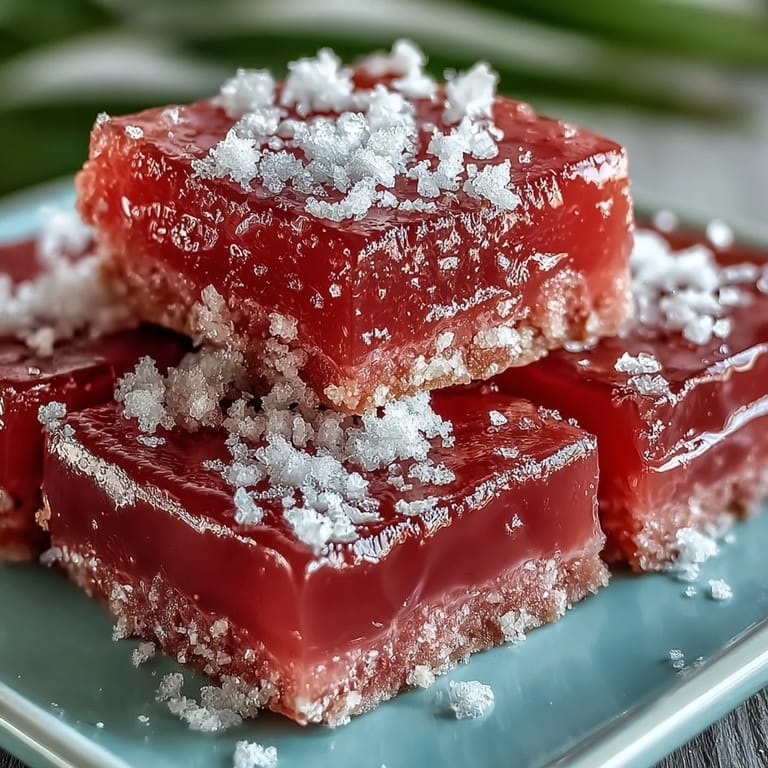
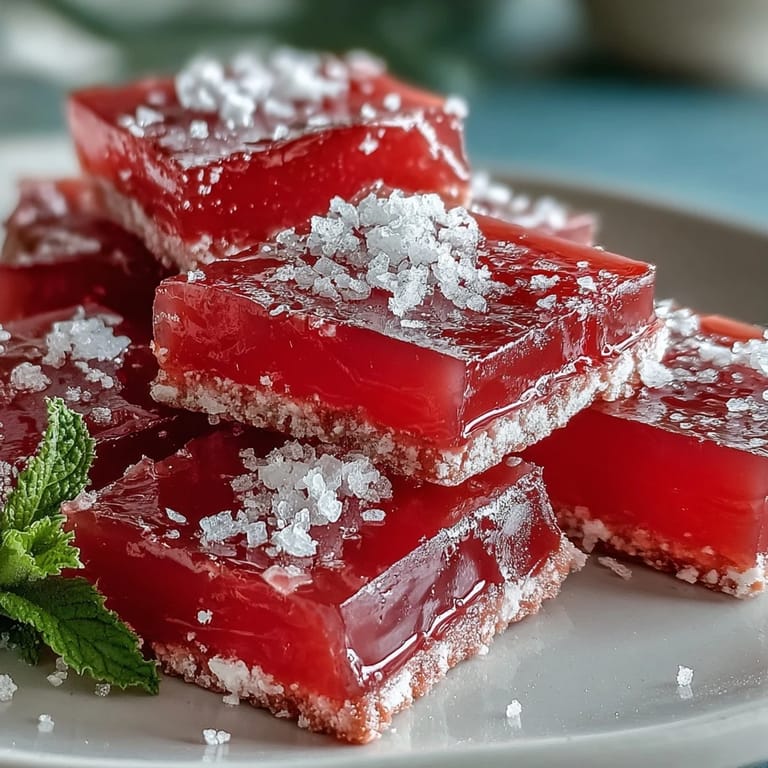
Save Guava Cheese, also known as Perad, is a beloved tropical confection that transforms simple fruit into a luxurious, fudge-like treat. This Goan specialty captures the fragrant essence of ripe guavas, concentrating their flavor into jewel-toned squares that offer a perfect balance of sweetness and a delicate lime tang. Whether served as a festive dessert or a simple tea-time snack, this gluten-free sweet is a vibrant celebration of tropical fruit.
Save Creating the perfect Guava Cheese is a rewarding process of slow-reduction. By simmering the fruit pulp with sugar and a touch of butter, you achieve a glossy, concentrated mass that sets into a delightful confection. The process fills your kitchen with a tropical aroma that is just as enticing as the finished product.
Ingredients
Tired of Takeout? 🥡
Get 10 meals you can make faster than delivery arrives. Seriously.
One email. No spam. Unsubscribe anytime.
- Fruit Base: 800 g (about 4 cups) ripe guava (pink or white), peeled, deseeded, and chopped; 1/2 cup water
- Sugar & Flavor: 450 g (2 1/4 cups) granulated sugar; 2 tbsp fresh lime juice
- Enrichment: 2 tbsp unsalted butter, plus extra for greasing
- Coating (optional): 1/4 cup superfine sugar for dusting
Instructions
- Step 1: Preparation
- Prepare a square baking pan (8x8 inches) by greasing it with butter and lining with parchment paper, leaving overhang for easy removal.
- Step 2: Simmer Fruit
- Place guava and water in a saucepan. Simmer over medium heat until fruit is soft (about 15 minutes).
- Step 3: Puree and Sieve
- Puree the cooked guava using a blender or food processor until smooth. Pass through a fine sieve to remove any remaining seeds or fibers.
- Step 4: Combine
- Measure out 2 cups of guava puree and return it to a heavy-bottomed saucepan. Add sugar and lime juice to the puree.
- Step 5: Reduce
- Cook over medium heat, stirring constantly with a wooden spoon or spatula. When mixture thickens noticeably and begins to pull away from the sides (about 30–40 minutes), add butter.
- Step 6: Finish Cooking
- Continue stirring until glossy and very thick; the mixture should form a mass and hold its shape.
- Step 7: Set
- Immediately transfer the hot mixture to the prepared pan, smoothing the top with a spatula. Allow to cool at room temperature for 1 hour.
- Step 8: Slice and Coat
- Once set, lift out using parchment. Cut into squares or diamonds with a greased knife. If desired, roll pieces in superfine sugar to coat.
Zusatztipps für die Zubereitung
For the best results, always use a heavy-bottomed saucepan to prevent the sugar-rich mixture from scorching. The cooking time is key: for a firmer, more traditional cheese, cook the mixture until it completely leaves the sides of the pan; for a softer fruit paste, you can reduce the cooking time slightly.
Varianten und Anpassungen
The sweetness can be adjusted by slightly increasing or decreasing the sugar depending on the natural sweetness of your guavas. For a dairy-free version, substitute the butter with a vegan butter alternative. If you prefer a more rustic texture, you can skip the final sugar coating.
Serviervorschläge
These fragrant squares pair beautifully with a hot cup of masala chai or coffee. For a more sophisticated presentation, serve them as part of a dessert platter alongside soft cheeses like Brie or Camembert, which complement the sweet and tangy profile of the guava.
 Save
Save With its vibrant color and tropical aroma, homemade Guava Cheese is a delightful way to enjoy the flavors of the season. Once you master the timing of the reduction, you will find this traditional confection to be a versatile and impressive addition to your sweet repertoire.
Recipe FAQ Section
- → What is guava cheese?
Guava cheese is a traditional Goan confection made by cooking ripe guava puree with sugar, lime juice, and butter until it thickens into a fudge-like consistency. Despite its name, it contains no dairy cheese—it's called "cheese" because the firm, sliceable texture resembles cheese. This jewel-toned sweet is popular in Indian cuisine, especially in Goa, where it's served during festivals and special occasions.
- → Can I use white guava instead of pink?
Yes, white guava works perfectly well. The main difference is color—pink guava yields an attractive ruby-red hue, while white guava produces amber-colored squares. Both varieties offer the same fragrant tropical flavor and smooth texture. Choose whichever is available or prefer the color you find most appealing for your final presentation.
- → How do I know when the mixture is ready?
The mixture is done when it thickens considerably and begins to pull away from the sides of the pan. It should form a cohesive mass that holds its shape rather than spreading. You'll notice the mixture becoming glossy and very dense. A good test is to drag your spoon through the mixture—if the trail stays visible rather than filling back in immediately, it's ready to pour into the pan.
- → Can I make this dairy-free?
Absolutely. Simply substitute vegan butter or a plant-based margarine for the unsalted butter. The texture and setting properties remain virtually the same. Ensure your chosen alternative doesn't contain excess water, which could affect the final consistency. Coconut butter works particularly well and complements the tropical guava flavor beautifully.
- → How should I store guava cheese?
Store the cut pieces in an airtight container at room temperature for up to two weeks. The high sugar content acts as a natural preservative. If you live in a particularly hot or humid climate, refrigeration can help maintain texture. For longer storage, wrap individual pieces in parchment and freeze for up to three months. Thaw at room temperature before serving.
- → Why add lime juice to guava cheese?
Lime juice serves multiple purposes. First, it balances the intense sweetness with subtle tartness, creating a more complex flavor profile. The acidity also helps pectin in the guava set properly, contributing to the firm texture. Finally, lime brightens the guava's natural fragrance and prevents the mixture from becoming cloyingly sweet. Adjust the amount based on your personal taste preference and the guava's natural sweetness.