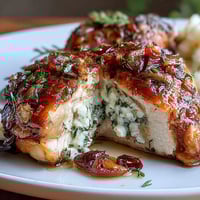
 Save
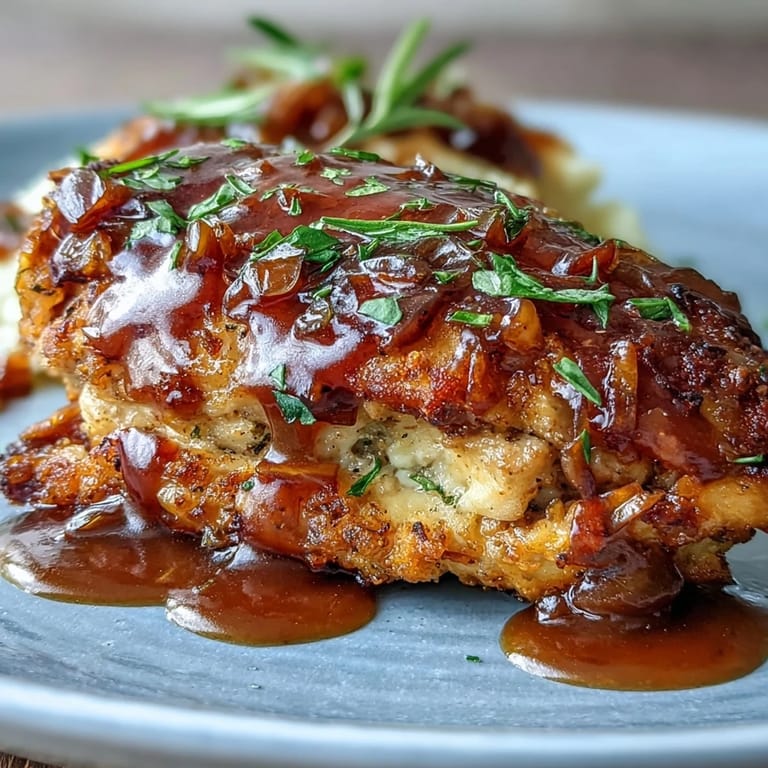
Save My grandmother used to make this on Sunday afternoons when the whole family would gather, and the kitchen would fill with this warm, savory smell that meant everyone was about to sit down together. There's something about smothered chicken that stops time—the way the onion gravy clings to tender, golden skin, how it tastes like both comfort and celebration at once. I didn't understand why she'd fuss over getting the chicken skin just right until I tried making it myself and realized the crispy edges are what make the whole dish sing. Now whenever I make it, I'm channeling that same unhurried patience she had, letting the onions take their time turning golden, letting the gravy thicken at its own pace.
I made this for my partner's coworkers once when they were dealing with a rough week, and I watched people literally close their eyes on the first bite—not out of politeness, but because something about that combination of crispy chicken and silky gravy just hit different. One person asked for seconds before finishing their first plate, and someone else said it tasted like home even though they'd never had it before. That's when I knew this wasn't just a recipe; it was one of those dishes that speaks a language everyone understands.
Ingredients
- Bone-in, skin-on chicken thighs and drumsticks: These cuts stay incredibly moist during cooking and the skin crisps up beautifully; avoid boneless chicken if you can because the bones add real depth to the gravy.
- All-purpose flour (for breading and gravy): This is your workhorse here—the flour creates both the golden crust and thickens the gravy, so don't skip seasoning it well.
- Vegetable oil: Use an oil with a high smoke point; I learned the hard way that butter alone will burn before the chicken gets golden.
- Large yellow onions: These sweetened as they cook and become the soul of the gravy; red onions will work but won't give you that same caramelized depth.
- Low-sodium chicken broth: This lets you control the salt level and prevents the gravy from becoming overseasoned, which is easy to do if you're not paying attention.
- Unsalted butter: Added at the end, this silks up the gravy and gives it a restaurant-quality finish.
- Dried thyme and paprika: These seasonings add warmth and subtle earthiness; don't skip them even if you think they seem optional.
Tired of Takeout? 🥡
Get 10 meals you can make faster than delivery arrives. Seriously.
One email. No spam. Unsubscribe anytime.
Instructions
- Prep and season your chicken:
- Pat the chicken pieces dry with paper towels—this step matters because moisture is the enemy of a crispy skin. Season everything generously on both sides with salt, pepper, paprika, garlic powder, and onion powder, getting into the crevices where the seasoning can really stick.
- Bread each piece:
- Mix your flour, salt, and pepper in a shallow bowl and coat each chicken piece, shaking off any excess flour so you don't get a thick, pasty crust. Save that leftover flour because you'll use it to thicken the gravy.
- Get the oil hot and fry the chicken:
- Heat your oil in a large, heavy skillet over medium heat until it shimmers slightly, then add the chicken skin-side down. Listen for that satisfying sizzle—that's how you know it's hot enough; fry for 6 to 8 minutes per side until the skin is deep golden brown and crispy.
- Remove the chicken and start the gravy base:
- Pull the chicken out and set it aside on a plate. Pour off most of the oil, leaving about 2 tablespoons in the pan because that's where all the flavor is locked in.
- Cook the onions low and slow:
- Add your thinly sliced onions to that flavorful oil and cook them over medium heat, stirring often, until they're golden and soft (about 8 to 10 minutes). Don't rush this step—those sweet, caramelized onions are what make people ask for the recipe.
- Make the roux:
- Sprinkle your reserved flour over the onions and stir for a minute or two until it turns light golden brown. This cooks out any raw flour taste and creates the base for a silky, thickened gravy.
- Whisk in the broth and build the gravy:
- Pour in the chicken broth slowly while whisking constantly, scraping up all those browned, flavorful bits stuck to the bottom of the pan. Add your thyme, paprika, salt, pepper, and a knob of butter, then let it simmer for a couple minutes until it thickens and looks like actual gravy.
- Nestle the chicken back in and finish cooking:
- Return the chicken to the skillet, arranging it so it's half-submerged in the gravy. Spoon some gravy over the top, cover the skillet, and reduce the heat to low—then let it simmer gently for 25 to 30 minutes until the chicken is tender and cooked through (check that internal temperature hits 165°F/74°C).
- Serve with pride:
- Transfer everything to a platter and spoon that gorgeous onion gravy generously over the chicken, making sure everyone gets equal amounts of meat, skin, and sauce.
 Save
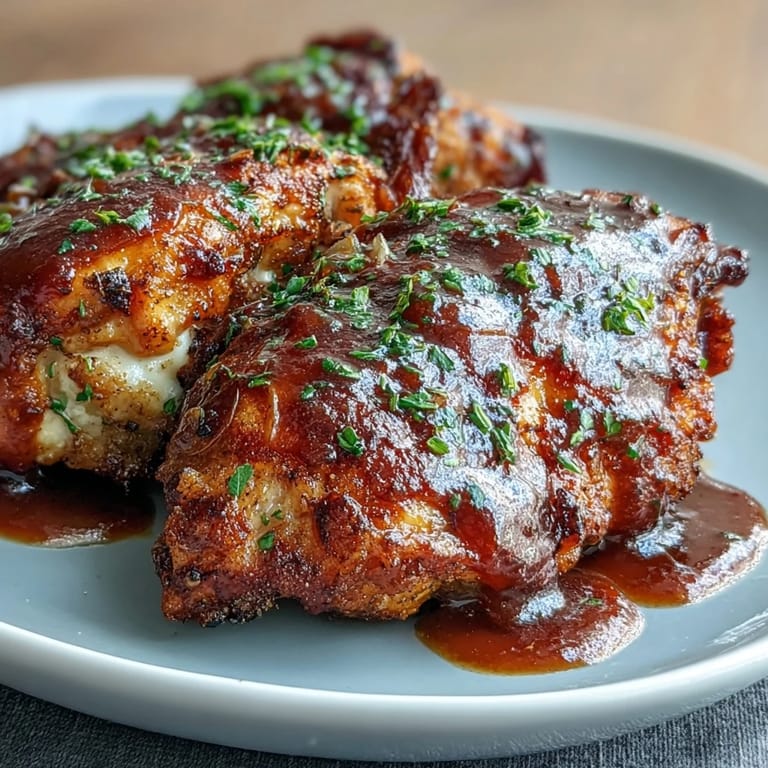
Save There's a moment that happens almost every time I make this—somewhere between the onions turning golden and the gravy coming together, my kitchen fills with this smell that makes everyone stop what they're doing. It's like the dish itself is announcing that something good is about to happen, and honestly, that anticipation is half the joy.
Why This Dish Matters
Soul food like this isn't just about feeding people; it's about honoring a tradition of taking simple ingredients and transforming them into something that nourishes both body and spirit. Every time I make smothered chicken, I'm connecting to generations of cooks who understood that the best meals are made with intention and love, not speed. The technique might seem simple—fry, sauté, simmer—but the care you put into each step is what separates a good dish from one people remember.
The Secret to Perfect Crispy Skin
The magic happens in those first few minutes when the chicken hits the hot oil. Make sure your skillet is truly hot before adding the chicken, and resist the urge to move it around or flip it too early—let the skin sit undisturbed for those 6 to 8 minutes so the flour browns and crisps instead of just steaming. I used to fidget with mine constantly until someone told me that patience with the initial fry is what separates crispy from soggy, and that advice changed everything.
Building Flavor in the Gravy
The richness of this gravy comes from three places: the browned bits stuck to the bottom of the pan (cooks call this fond), the caramelized onions, and the slow simmer that lets all those flavors marry together. Don't skip deglazing the pan with your broth—that scraping action lifts up all that concentrated, golden flavor that would otherwise be wasted. Think of the gravy as the soul of the dish; treat it with the same respect you'd give to any sauce that took hours to develop.
- Use homemade stock if you have it; the difference in depth of flavor is noticeable and worth the effort.
- Taste and adjust the seasoning before you add the chicken back in—it's much easier to fix it now than after everything is mixed together.
- If the gravy feels too thick, thin it with a splash more broth; if it's too thin, let it simmer a bit longer uncovered to reduce.
 Save
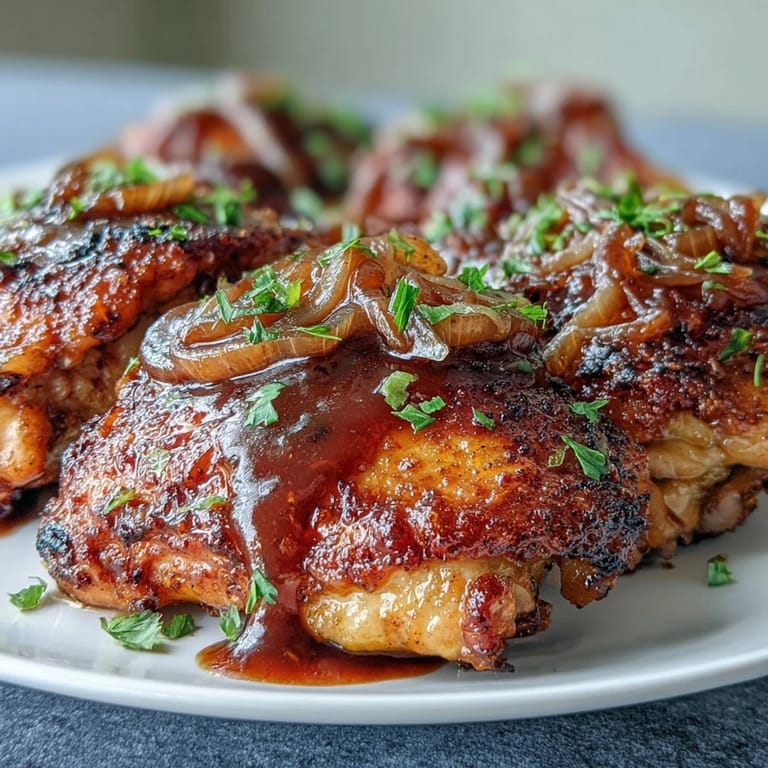
Save This is the kind of meal that reminds you why you love cooking—not for the challenge or the technique, but because you get to watch people find comfort and joy on their plate. Serve it warm, watch people slow down, and know that you've made something that matters.
Recipe FAQ Section
- → What type of chicken cuts work best?
Bone-in, skin-on chicken thighs and drumsticks are ideal for maintaining moisture and flavor during cooking.
- → How is the onion gravy thickened?
Flour is sprinkled over sautéed onions and cooked briefly, then chicken broth is whisked in to create a smooth, thickened gravy.
- → Can this dish be made spicier?
Yes, adding a pinch of cayenne pepper to the flour mixture during breading adds a gentle heat to the dish.
- → What are good side dishes to serve with it?
Mashed potatoes, rice, or collard greens complement the savory chicken and gravy beautifully.
- → How long should the chicken simmer in the gravy?
After frying, the chicken should simmer in the gravy for 25–30 minutes to become tender and fully cooked.