 Save
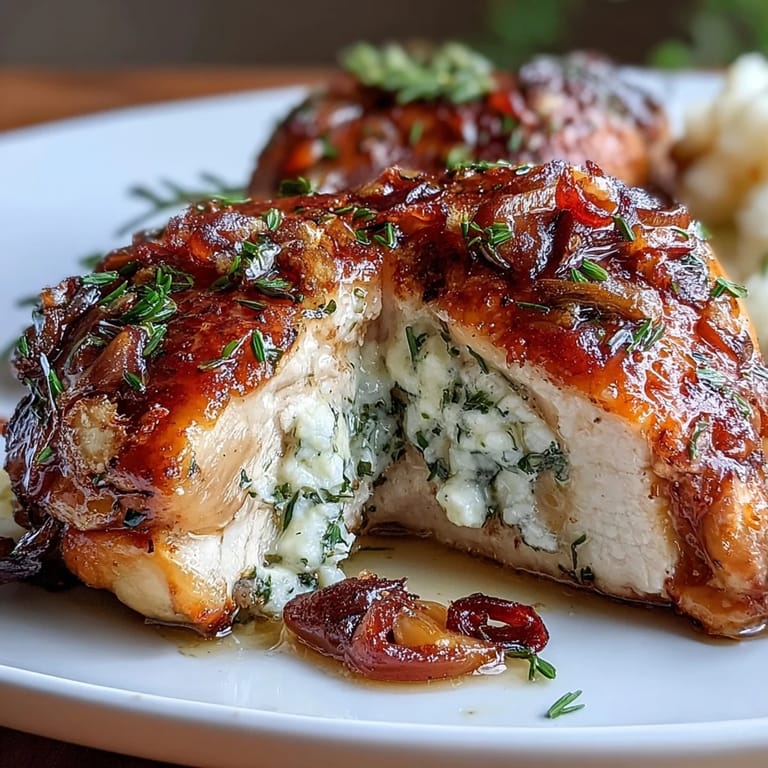
Save Even on rain-soaked afternoons, the scent of lemon, garlic, and rosemary swirling out of the kitchen feels like pure magic to me. One gusty weekend, curiosity struck when I noticed a jar of preserved lemons at the back of my fridge and decided an ordinary roast chicken wouldn’t do. Rolling up my sleeves, I mashed herbs into butter, sneaking tastes until my hands were perfumed and slick. By the time the chicken hit the oven, anticipation was thick in the air. The real joy, though, came from scraping every last bit of herbed butter from the mixing bowl and swiping it onto crusty bread while the bird roasted nearby.
Once, I made this for friends on a breezy spring evening, laughing as we argued over whose turn it was to baste. Someone spilled wine, the radio was too loud, and we ended up eating straight from the pan with sticky fingers. Roasting a chicken seems formal, but somehow it melted into one of those perfectly imperfect nights. Even the leftovers were devoured before breakfast the next day.
Ingredients
- Unsalted butter: Softening the butter lets it hug the herbs and garlic, and slathering it under the skin gives you the crispest, richest finish.
- Fresh parsley, thyme, rosemary: Use whatever sprigs smell brightest at the market; chopping them finely spreads flavor to every bite.
- Garlic cloves: I always mince just before mixing so every clove stays fresh and punchy.
- Preserved lemon (rind): This is my not-so-secret weapon; its tang transforms the entire bird, but in a pinch, bright lemon zest can do the job.
- Sea salt & freshly ground black pepper: Don’t be shy—seasoning generously is half the battle for deep flavor.
- Whole chicken: Choosing a bird between 1.5–1.8kg means you’ll get plenty of juicy meat without a risk of drying out.
- Preserved lemon & small onion (for stuffing): Stuffing with aromatics infuses the bird from the inside out.
- Small lemon (halved): Adds gentle acidity and helps keep the flesh moist.
- Olive oil: Drizzling gives you a glorious golden skin—use a good fruity one if possible.
- Herb sprigs: Stuff in a generous handful to maximize aroma and flavor in both the pan and bird.
- Carrots, celery, onion (for roasting pan): These catch the drippings and make the pan sauce loaded with sweet and savory notes.
- Dry white wine or chicken broth: Pour into the pan for moisture and a sauce worth spooning over everything.
Tired of Takeout? 🥡
Get 10 meals you can make faster than delivery arrives. Seriously.
One email. No spam. Unsubscribe anytime.
Instructions
- Heat things up:
- Preheat the oven to 220°C (425°F) so it’s roaring hot by the time you’re ready for the chicken.
- Mix the magic butter:
- In a small bowl, mash the softened butter with all the chopped herbs, minced garlic, preserved lemon rind, salt and pepper until you have a vibrant, fragrant paste.
- Lift and lather:
- With chilled hands, gently loosen the chicken skin over the breasts and thighs without tearing, then massage two-thirds of the herb butter underneath and the rest across the top for a glossy coat.
- Fill the cavity:
- Stuff the cavity generously with preserved lemon quarters, onion chunks, lemon halves, and a handful of herb sprigs—imagine how these steam the meat from within.
- Tie and tuck:
- Grab some kitchen twine to tie the legs and tuck the wings in, giving you a tidy shape and even browning all over.
- Build a veggie bed:
- Scatter chunky carrots, celery, and onion across the bottom of your roasting pan, then pour in wine or broth for a steamy, flavorful base.
- Nestle and season:
- Place the chicken gently breast-side up atop the veg, drizzle with olive oil, and scatter over more salt and pepper for that perfect sizzle.
- Blast then slow roast:
- Roast at high heat for 20 minutes; then drop the oven to 180°C (350°F) and cook another hour, occasionally basting the bird with pan juices until it’s deeply golden and a thermometer reads 75°C (165°F).
- Rest and serve:
- Once out of the oven, tent loosely with foil and let the chicken relax for 15 minutes before carving; spoon those herby pan juices over each serving with the sweet roasted vegetables.
 Save
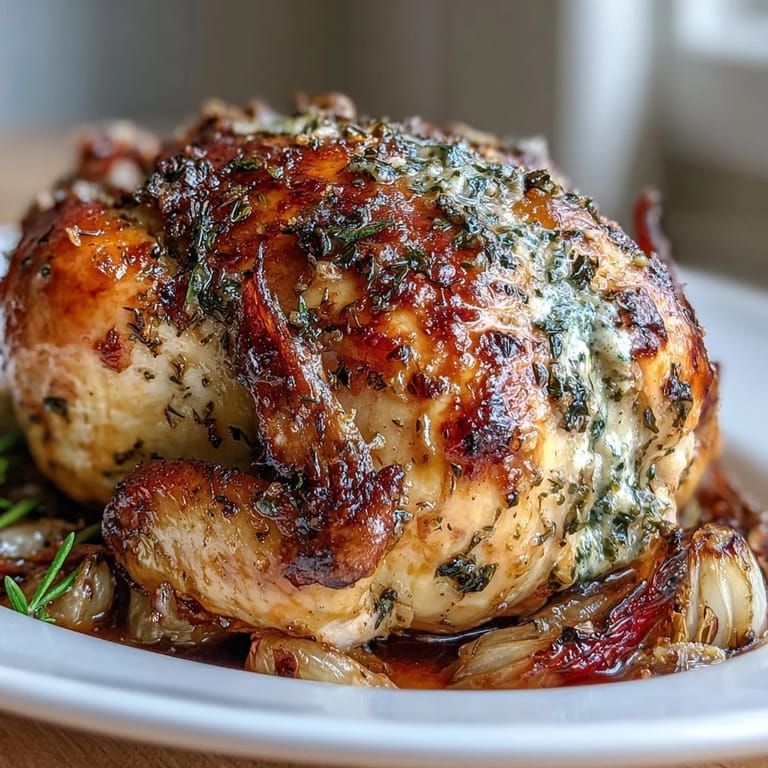
Save One quiet Sunday, the roast was barely out of the oven before my family hovered, plucking crispy bits from the tray and dipping bread into lemony drippings. That warm, messy huddle at the counter is what I now picture every time I begin prepping this dish.
Getting the Most Flavor From Your Ingredients
Massaging the herb butter into every pocket and fold beneath the chicken’s skin sets this apart from everyday roasts. Take your time working it in, and don’t forget to catch any stray bits inside the cavity for extra aroma once it hits the oven.
Letting Aromatics Work Their Magic
I had no idea how much stuffing the cavity with preserved lemon, onions, and herbs would perfume not just the bird but the entire kitchen. It’s like a built-in diffuser, and infusing the pan with wine or broth helps every veg piece soak up flavor while the chicken cooks above.
What To Serve and How To Store Leftovers
Offer the roast chicken alongside the glazed vegetables from the pan, plus crusty bread or simple roasted potatoes for mopping up all those tangy, buttery juices.
- If you have leftovers, carve everything—bones and all—while it’s still warm, then save in an airtight container for up to three days.
- Try reheating the meat gently with some pan juices to keep things juicy.
- If the skin softens after storage, a quick flash under the broiler crisps it up again.
 Save
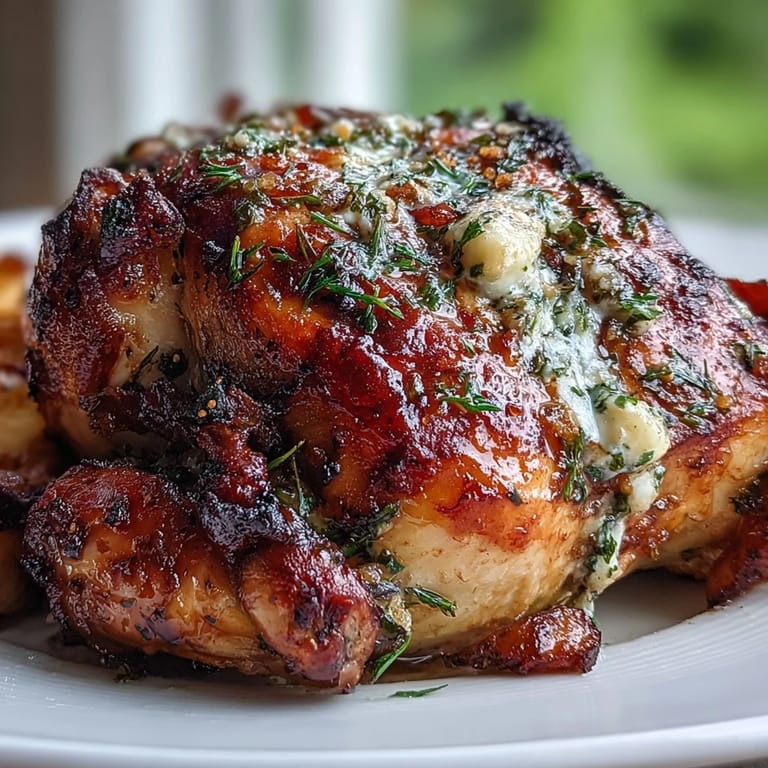
Save Each time I make this herby roast chicken, it’s like a mini celebration, no matter how ordinary the day. May your kitchen fill with laughter, crispy skin, and the aroma of lemon and fresh herbs (and maybe a little friendly chaos, too).
Recipe FAQ Section
- → Why put butter under the skin?
Butter beneath the skin delivers fat and aromatics directly to the meat, keeping it moist and infusing flavor while helping the skin brown and crisp as the fat renders.
- → Can I swap preserved lemon for fresh lemon?
Yes. Finely grated fresh lemon zest and a splash of juice add brightness, while preserved lemon contributes salty, fermented citrus depth—use what you have on hand.
- → How do I get extra-crispy skin?
Pat the bird very dry, rub with oil and butter, roast briefly at high heat to render fat and brown, then reduce temperature to finish cooking through.
- → What internal temperature ensures doneness?
Cook until an instant-read thermometer reads 75°C (165°F) in the thickest part of the thigh or breast, then tent and rest 15 minutes so juices redistribute.
- → What sides pair well with this roast?
Roasted potatoes or root vegetables, a crisp green salad or braised greens complement the herb butter and preserved lemon; a Chardonnay pairs nicely.
- → Can I prepare the herb butter in advance?
Yes. Make the herb butter up to two days ahead and keep chilled. Bring it to room temperature before spreading under the skin for easier application.