 Save
Save The first time I encountered haggis wasn't through a recipe book or a cooking show—it was in a cramped Edinburgh pub on a January evening when a friend casually ordered it like it was the most normal thing in the world. I watched, skeptical and curious, as the plate arrived steaming and golden. One bite changed everything. The warm spice, the satisfying texture, the way it tasted both humble and ceremonial—I was hooked. What once seemed intimidating became an obsession, and I spent the next year learning to make it properly, discovering that haggis isn't strange at all. It's honest food, the kind that tells a story with every bite.
I'll never forget the day I invited six people over to test this recipe. The table fell quiet when I unveiled the haggis, and I held my breath—but then came the questions, the laughter, the genuine delight. Someone said it tasted like home, even though none of them were Scottish. That's when I understood that haggis isn't really about the ingredients; it's about generosity, tradition, and the courage to serve something authentic.
Ingredients
- Sheeps heart, liver, and lungs (500 g): The soul of haggis—buy from a butcher you trust and ask them to mince it, or substitute with quality lamb and beef mince if organ meats feel too far outside your comfort zone.
- Beef or lamb suet (200 g), finely chopped: This fat keeps everything moist and rich; ask your butcher for freshly chopped suet rather than the boxed kind, which makes a noticeable difference.
- Lamb or beef mince (300 g, optional): Adds textural variety and stretches the recipe if offal is hard to find.
- Steel-cut oats, toasted (150 g): Toast them yourself in a dry pan until fragrant—this deepens the flavor beyond what raw oats can offer.
- Onions, finely chopped (2 medium): Sweet when cooked down, they're the backbone that makes everything sing together.
- Beef stock (250 ml): Use homemade if possible; it elevates the entire dish and rounds out the spices beautifully.
- Ground black pepper, coriander, nutmeg, and allspice: These spices work together like a whispered conversation—each one essential, none dominating.
- Salt (1½ tsp): Adjust to taste near the end; remember you're seasoning a large, hearty mixture.
- Sheeps stomach or large sausage casing: The traditional choice, though a pudding basin and foil work perfectly if authentic casings aren't available in your area.
- Potatoes and turnips (500 g each), peeled and cubed: These humble vegetables are the perfect counterpoint—their sweetness balances the savory intensity of the haggis.
- Butter (50 g): Don't skip this; it's what makes neeps and tatties taste like comfort itself.
Tired of Takeout? 🥡
Get 10 meals you can make faster than delivery arrives. Seriously.
One email. No spam. Unsubscribe anytime.
Instructions
- Prepare the offal:
- Rinse the sheeps heart, liver, and lungs thoroughly under cold water—this step removes any bitterness and leaves you with clean ingredients. Place them in a large pot, cover completely with cold water, and bring to a rolling boil, then reduce to a gentle simmer for 1 to 2 hours until the meat is tender enough to shred with a fork. Once cooked, remove and cool slightly, then mince everything finely; if you want to save the cooking liquid for extra depth, reserve 250 ml before draining.
- Build the base:
- In a large mixing bowl, combine your minced offal, finely chopped suet, toasted oats, and the finely chopped onions—this is where the foundation of your haggis comes together, each ingredient adding its own character. If you're using the optional minced meat, add it now for a slightly less intense flavor and more varied texture.
- Season and bind:
- Pour in the beef stock and any reserved cooking liquid, then add each spice one at a time, stirring well between additions so the seasonings distribute evenly. The mixture should feel moist and cohesive but never wet or sloppy—you want something that holds together but stays tender when cooked.
- Fill the casing:
- If using a sheeps stomach or sausage casing, rinse it thoroughly with cool water and gently fill it with your mixture, leaving about a thumb's width of space at the top to allow for expansion during cooking. Tie the ends securely with kitchen twine, making sure it's tight enough to hold everything in but not so tight that it restricts the steam. If using a pudding basin, simply spoon the mixture in and press it down gently, then cover the top tightly with foil.
- Cook with care:
- Place your filled casing or basin in a large pot of gently boiling water, making sure the water comes partway up the side but never covers the top—you're steaming, not boiling it into submission. Let it simmer gently for 2 hours, checking the water level every 30 minutes and adding more hot water if needed to maintain the level.
- Prepare the sides:
- While the haggis cooks, boil your peeled and cubed potatoes and turnips in separate pots (they cook at slightly different rates) for about 20 to 25 minutes until completely tender and easily pierced with a fork. Drain each thoroughly, then mash with a generous portion of butter and season generously with salt and pepper—these aren't fancy vegetables, but they should be rich and creamy.
- Bring it all together:
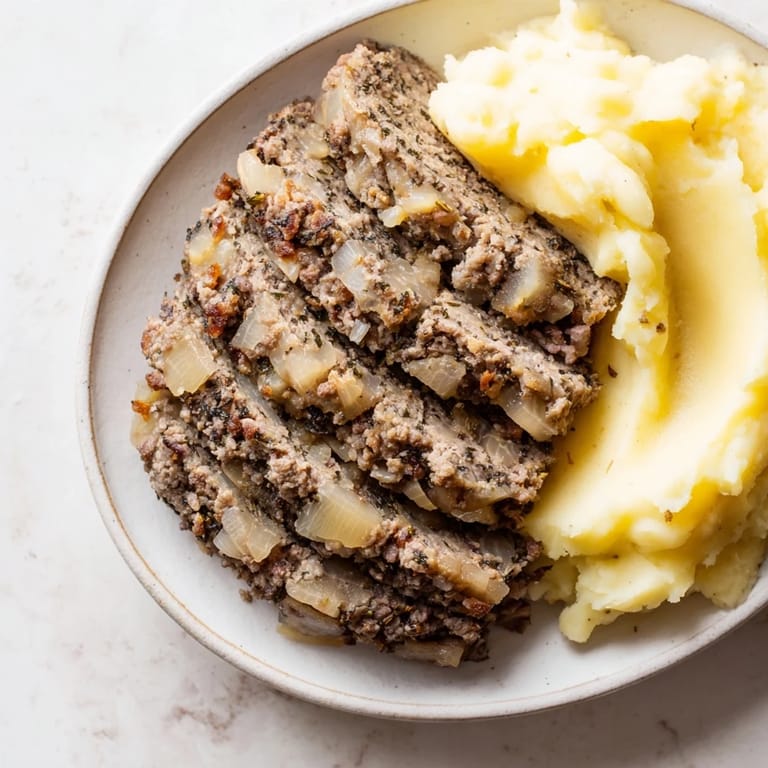
- Carefully remove the haggis from the hot water and let it rest on a warm plate for a few minutes—this allows it to set slightly and makes it easier to handle. Slice it open with a sharp knife and serve it hot alongside your creamy neeps and tatties, watching as everyone discovers what they've been missing.
 Save
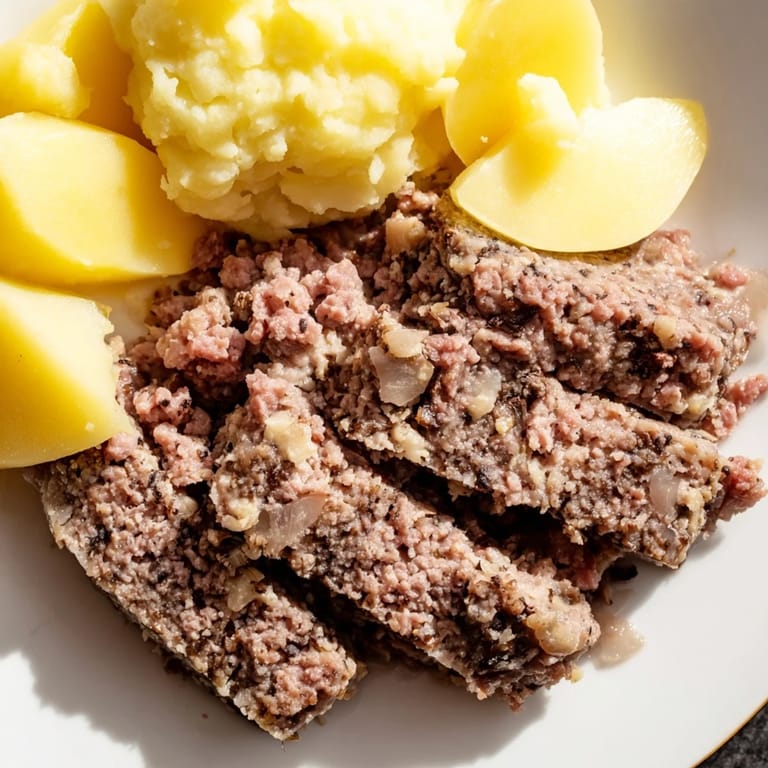
Save There's a moment when you slice into a perfectly cooked haggis and the steam rises up, fragrant and honest, that you realize you've made something real—something that connects you to kitchens across Scotland and centuries of practical, delicious cooking. That moment is worth every bit of preparation.
Why This Recipe Works
Haggis succeeds because it respects its ingredients rather than hiding them. The offal is celebrated with careful cooking and bold spicing, the oats add substance and a subtle nutty depth, and the suet ensures everything stays moist and luxurious. The spice blend—coriander, nutmeg, allspice, and black pepper—works like a well-rehearsed ensemble, with each note supporting the others. What makes a good haggis isn't mystery or secrecy; it's honest technique and quality ingredients treated with attention.
The Science of Spicing
Each spice here serves a purpose: nutmeg and coriander add warmth and slight sweetness that rounds out the savory intensity of the offal, allspice brings a whisper of clove and cinnamon without being obvious, and black pepper cuts through the richness with subtle heat. These aren't random choices passed down without thought—they emerged because they genuinely make the dish better, balancing and deepening every flavor.
Serving and Storing
Haggis is best served hot with neeps and tatties piled on the same plate, creating a landscape of textures and temperatures that work together beautifully. A drizzle of whisky cream sauce is traditional if you want to add richness, though honestly the haggis stands perfectly on its own. Leftovers keep for three days in the refrigerator and reheat gently in simmering water or a low oven, sliced and warmed through without drying out.
- Serve with crusty bread to soak up every bit of the plate.
- A crisp Scottish ale or a smooth whisky makes an excellent pairing if you're feeling ceremonial.
- Make this once and you'll understand why it's survived for centuries—it's simply food that matters.
 Save
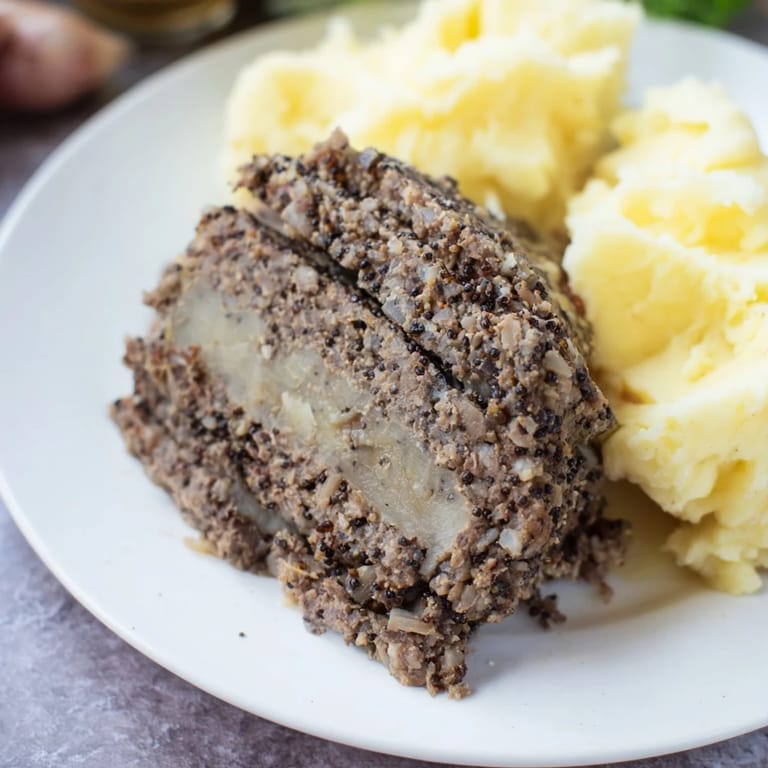
Save Making haggis at home transforms something that once seemed exotic and intimidating into proof that you can cook anything if you're willing to try. Serve it with pride, knowing you've made something real.
Recipe FAQ Section
- → What meats are used in this traditional haggis?
It typically includes sheep's heart, liver, lungs, and sometimes lamb or beef mince for added texture.
- → How is the oatmeal prepared before mixing?
Steel-cut oats are toasted to enhance their nutty flavor before being combined with the meat mixture.
- → What are neeps and tatties served alongside this dish?
'Neeps' are mashed turnips, and 'tatties' are mashed potatoes, both boiled and seasoned as classic accompaniments.
- → Can the casing be substituted during cooking?
Yes, if sausage casing isn't available, a pudding basin tightly covered with foil works as an alternative.
- → What spices contribute to the distinctive flavor?
Black pepper, coriander, nutmeg, allspice, and salt create the rich, aromatic profile.
- → Is there a vegetarian alternative for this preparation?
Vegetarian versions can be made using pulses, mushrooms, and vegetable suet instead of meat.