 Save
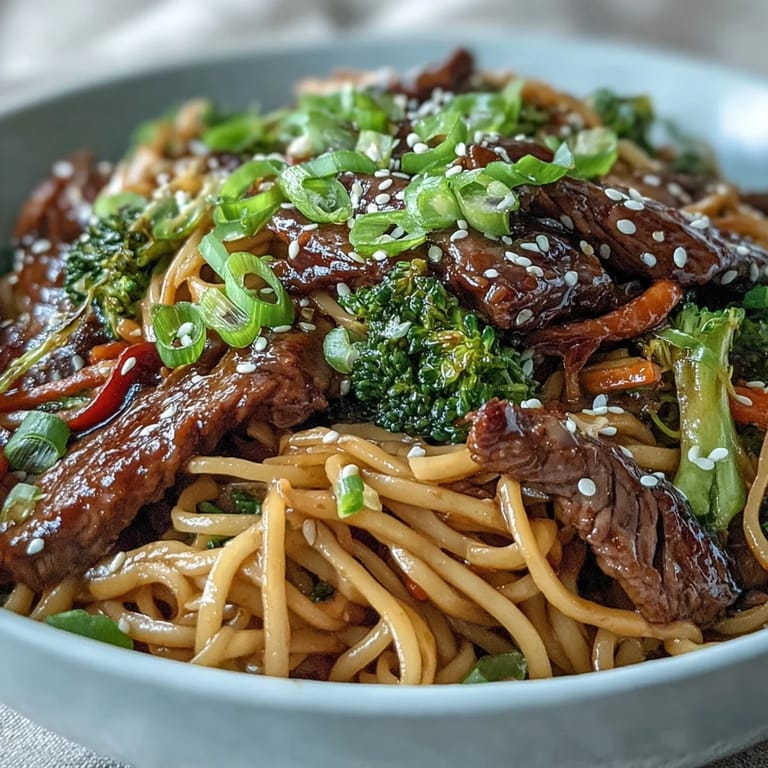
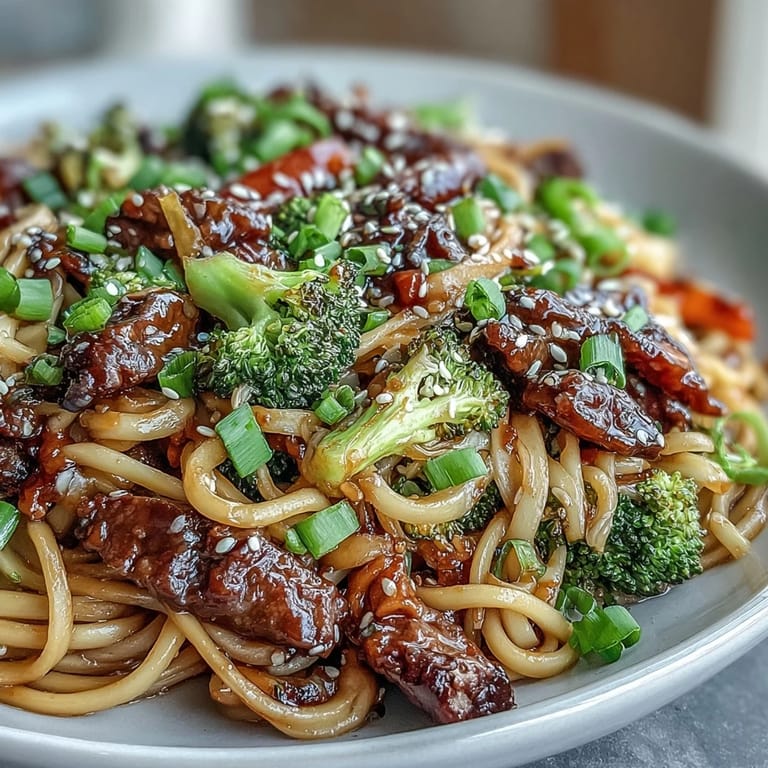
Save I was halfway through making this on a rainy Tuesday when my roommate wandered in, drawn by the smell of garlic and ginger hitting hot oil. She stood watching as the beef seared and vegetables hit the skillet, asking what kind of magic I was making. That night we ate standing up in the kitchen, noodles steaming in bowls, and agreed this was the kind of dinner that fixes everything.
Last winter I made this for a friend who swore she hated rice noodles. After one bite she was asking what restaurant I ordered it from. Now she requests it every time she visits, and I always double the sauce because she likes to drizzle extra over her bowl.
Ingredients
- 8 ounces rice noodles: These soak up the sauce beautifully and have just the right slippery texture
- 1 pound flank steak: Slice it thin against the grain and it stays tender even after quick cooking
- 1 cup broccoli florets: They add crunch and hold up well in the hot sauce without getting mushy
- 1 bell pepper: Red or yellow brings sweetness and color that makes the dish pop
- 1 carrot, julienned: The thin strips cook quickly and add a fresh crunch
- 2 green onions: These are your garnish, adding that sharp bite and bright green finish
- 3 cloves garlic, minced: Fresh is non negotiable here, it builds the whole aromatic base
- 1 teaspoon ginger, grated: Peeling it first removes the fibrous bits that can ruin the texture
- 1/3 cup soy sauce: This is your salt and umami foundation, so use a brand you actually like
- 2 tablespoons brown sugar: It melts into the sauce creating that glossy restaurant style coating
- 1 tablespoon sesame oil: A little goes a long way, adding that nutty finish at the end
- 2 tablespoons vegetable oil: You need a neutral oil with a high smoke point for the searing step
- Sesame seeds: Toast them briefly in a dry pan before sprinkling on top for extra depth
Tired of Takeout? 🥡
Get 10 meals you can make faster than delivery arrives. Seriously.
One email. No spam. Unsubscribe anytime.
Instructions
- Get your noodles ready first:
- Cook them according to the package, drain, and set aside where they will stay warm
- Heat your skillet and sear the beef:
- Get the oil shimmering hot, add the steak in batches, and let it develop a brown crust before flipping
- Build your aromatics:
- Lower the heat slightly and let the garlic and ginger perfume the oil for thirty seconds
- Crisp the vegetables:
- Toss in the broccoli, pepper, and carrot, keeping them moving so they stay bright and tender crisp
- Whisk up your sauce:
- Stir the soy sauce, brown sugar, and sesame oil until the sugar completely dissolves
- Bring everyone together:
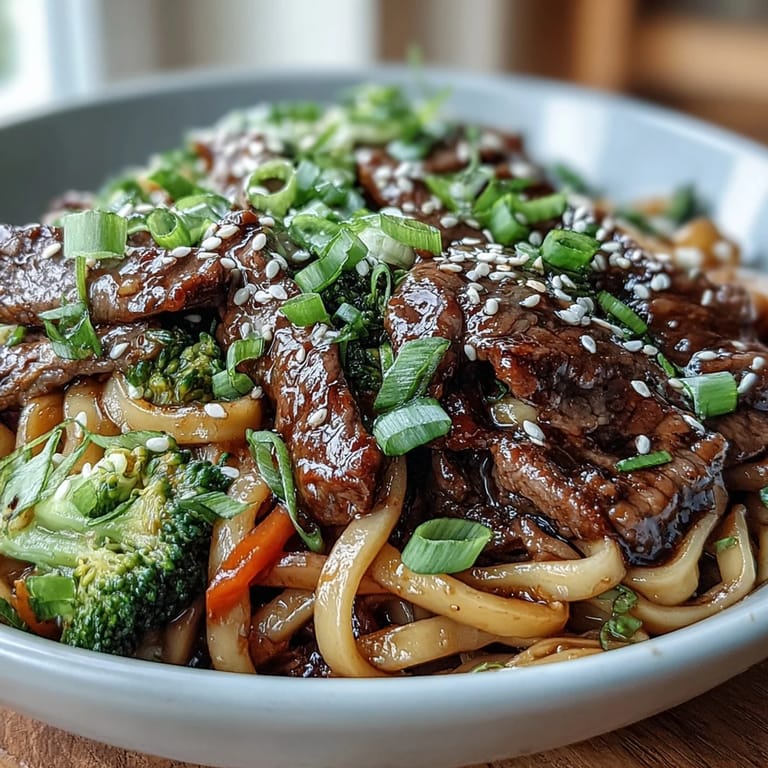
- Return the beef to the pan, pour in the sauce, then add the noodles and toss until everything is coated and steaming hot
 Save
Save This became my go to when I need something that feels special but does not demand hours of attention. There is something deeply satisfying about standing at the stove, tongs in hand, watching raw ingredients transform into something that makes the whole house smell incredible.
Making It Your Own
I have learned that the best adaptations come from what is already in your refrigerator. Sometimes that is snap peas added to the vegetable mix or shredded cabbage for extra crunch. Once I used shiitake mushrooms when I was out of beef, and the earthy richness worked surprisingly well.
The Heat Factor
My sister adds sriracha directly to her bowl, while I prefer stirring gochujang into the sauce while it simmers. The fermented chili paste adds depth beyond just heat, and a little goes a long way. Start small and taste as you go.
Getting Ahead
You can slice the beef and chop all the vegetables in the morning, storing them in separate containers in the fridge. Come dinner time, everything is ready to hit the pan. The sauce can be mixed ahead too, just give it a quick stir before using.
- Cook the noodles slightly underdone if reheating, they will finish in the sauce
- Leftovers actually taste better the next day as flavors meld
- Keep a splash of water handy to loosen the sauce when reheating
 Save
Save There is nothing like hearing someone say this is the best thing I have eaten in months while scraping the last bits from their bowl. That is the moment you know you have nailed it.
Recipe FAQ Section
- → Can I substitute the beef?
Absolutely! This dish is versatile. Chicken, shrimp, or even firm tofu can be used in place of the flank steak for a delicious variation.
- → How can I add more spice?
For an extra kick, consider stirring in a teaspoon or two of sriracha or gochujang into the sauce mixture before combining it with the cooked ingredients.
- → What other vegetables can be included?
Feel free to experiment with your favorite vegetables. Snap peas, sliced mushrooms, baby corn, or zucchini would all be excellent additions, providing more texture and nutrients.
- → What kind of noodles are best?
Rice noodles are specified for their silky texture, but you could also use thin egg noodles or even udon for a different mouthfeel, keeping in mind cooking times may vary.
- → Can this dish be prepared ahead of time?
While best served fresh, you can prep ingredients in advance. Slice your beef and vegetables, and whisk together the sauce. Store separately in the refrigerator. Cook just before serving.
- → Is it possible to make this dish gluten-free?
Yes, ensure you use certified gluten-free rice noodles and tamari (gluten-free soy sauce) instead of regular soy sauce to make the dish suitable for a gluten-free diet.