 Save
Save My friend Alex was graduating and turning twenty-two on the same week, and I wanted to make something that felt as special as the moment itself. When she mentioned she was a Taurus, I thought about creating a cake that honored both celebrations—something elegant but not stuffy, with layers of vanilla cake and hand-piped flowers in soft pastels. I'd never attempted floral piping before, but watching her face when I brought it out made every trembling hand and imperfect petal worth it.
Baking this cake taught me that some celebrations deserve the extra hour of effort. When the three layers came together perfectly and I started piping those first delicate flowers, I felt like I was creating something that would live in someone's memory for years. That's the power of a cake made with intention—it becomes part of the story of the day.
Ingredients
- All-purpose flour (2 1/2 cups): The foundation that keeps your cake tender rather than dense, and measuring by weight ensures consistency every single time.
- Baking powder (2 1/2 tsp): This is what gives you those three beautiful risen layers without overdoing it.
- Salt (1/2 tsp): A pinch of salt deepens the vanilla flavor in ways you won't consciously notice but will definitely taste.
- Unsalted butter (1 cup for cake, 1 1/2 cups for frosting): Room temperature butter creams smoothly and creates that light, fluffy crumb that makes people ask for seconds.
- Granulated sugar (2 cups): This sweetness is straightforward and clean, letting the vanilla shine without any competing flavors.
- Eggs (4 large, room temperature): Cold eggs won't incorporate properly and you'll end up with a grainy texture, so take them out thirty minutes before you start.
- Pure vanilla extract (1 tbsp for cake, 2 tsp for frosting): Never skip the real stuff when vanilla is this prominent in the recipe.
- Whole milk (1 cup, room temperature): This keeps the cake moist and tender, and the temperature matters more than you'd think.
- Powdered sugar (5 cups, sifted): Sifting removes lumps that would make your buttercream grainy, and it takes literally two minutes.
- Heavy cream or milk (2-4 tbsp): This adjusts your frosting consistency so it's spreadable but still holds those delicate piped flowers.
- Gel food coloring: Gel doesn't thin your frosting like liquid dyes do, which means your colors stay vibrant and your piping stays steady.
- Edible gold leaf or sprinkles: A small touch that makes the Taurus or graduation symbol feel celebratory without overwhelming the floral design.
Tired of Takeout? 🥡
Get 10 meals you can make faster than delivery arrives. Seriously.
One email. No spam. Unsubscribe anytime.
Instructions
- Prepare your pans and preheat:
- Get your oven to 350°F and grease three eight-inch round pans, then line them with parchment paper so your layers slip out without drama. This setup takes five minutes and saves you from frustration later.
- Combine your dry ingredients:
- Whisk flour, baking powder, and salt together in a bowl, which distributes the leavening evenly so you get consistent rise across all three layers. I like to sift mine twice when I'm being extra careful.
- Cream butter and sugar until fluffy:
- Beat them together for about three to four minutes until the mixture looks pale and airy—this is where your cake gets its tender texture. You'll see it transform from dense paste to something light and cloud-like.
- Incorporate eggs one at a time:
- Add each egg and let it fully combine before the next one goes in, which takes patience but prevents that grainy texture I mentioned. Scrape down the bowl between each egg so nothing gets left behind.
- Mix in vanilla extract:
- This gets whisked in after the eggs, just a quick thirty seconds of mixing. The vanilla scent that fills your kitchen at this point is honestly half the joy of baking this cake.
- Alternate wet and dry in three batches:
- Start with flour, then milk, then flour again, mixing gently just until combined each time—overmixing here is the enemy and creates a tough cake. This gentle folding keeps everything airy and delicate.
- Divide and bake:
- Split the batter evenly among your three pans and smooth the tops, then bake for twenty-eight to thirty-five minutes until a toothpick comes out clean. Your kitchen will smell unbelievable around minute twenty.
- Cool with patience:
- Let the cakes sit in their pans for ten minutes, then turn them out onto wire racks to cool completely—this is not a step to rush. If you try to frost them while they're warm, the frosting will melt and slide everywhere.
- Make the buttercream:
- Beat softened butter until creamy, then gradually add sifted powdered sugar while beating continuously until light and fluffy, about three to four minutes. This gradual addition prevents lumps and creates that silky texture.
- Adjust consistency and flavor:
- Add vanilla extract and start with two tablespoons of cream, then add more until your frosting is spreadable but still holds its shape for piping. Taste it and adjust sweetness if needed, though cream won't change that.
- Divide and tint for floral colors:
- Split your buttercream into separate bowls and add gel food coloring a tiny bit at a time, mixing thoroughly between each drop—colors deepen as you mix. Start with less color than you think you need and build from there.
- Level and layer your cake:
- Use a serrated knife or cake leveler to make sure each layer is flat, then place the first layer on your serving plate and spread buttercream on top. Repeat with the remaining layers, making sure each one is centered.
- Apply the crumb coat:
- Spread a thin layer of plain buttercream all over the entire cake to seal in the crumbs, then refrigerate for twenty minutes so this coat firms up. This step is the difference between a polished-looking cake and one that looks like you rushed.
- Apply the final frosting:
- Spread a smooth, thick layer of white or colored buttercream over the whole cake, using an offset spatula dipped in warm water for that bakery-smooth finish. Take your time here because this is what your decorations will sit on top of.
- Pipe your floral designs:
- Fill piping bags with your colored buttercream and assorted piping tips, then pipe flowers, leaves, and vines around the cake in whatever pattern speaks to you. Start with the flowers you're most confident about and let the leaves fill in the gaps.
- Add the celebratory accent:
- Top your design with edible gold leaf or gold sprinkles placed at the Taurus symbol or graduation cap detail for that final touch of elegance. Just a small amount makes a big visual impact.
- Chill and bring to temperature:
- Refrigerate the finished cake until you're ready to serve, but slice it at room temperature so the layers are tender and the flavors are fully present. A cake straight from the fridge tastes muted compared to one that's warmed up a bit.
 Save
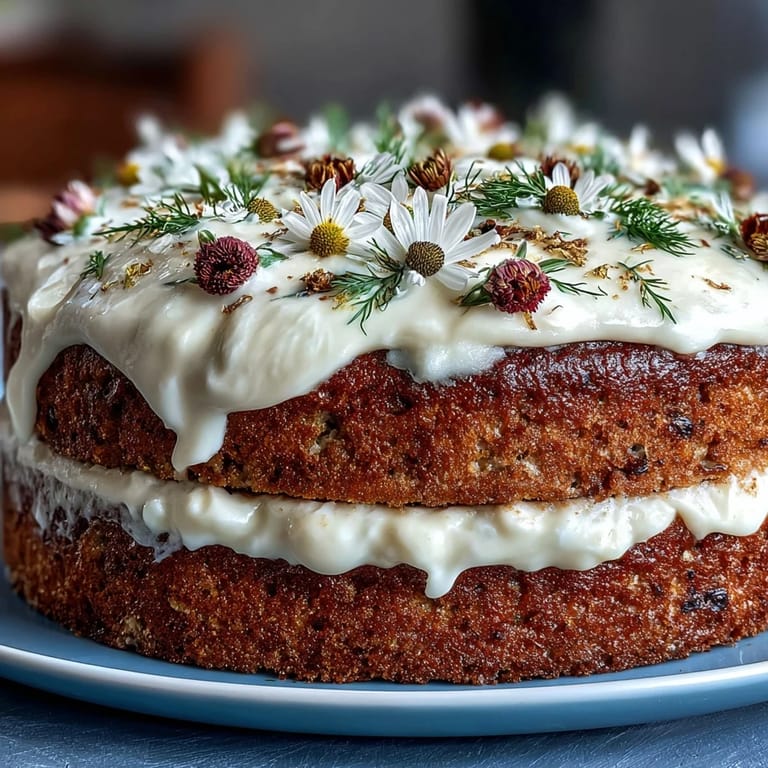
Save Alex cried when she saw it, which made me cry, and then we were both laughing because here I was covered in buttercream while she was trying not to smudge her makeup. In that moment, the cake became so much more than dessert—it was proof that showing up for people matters, and that effort translates into something they'll remember forever.
Decorating Without Fear
The first time I piped flowers onto a cake, my hands shook like I was performing surgery. What I learned is that floral piping is actually forgiving—slightly wonky petals look organic and handmade, which is exactly what you want. The leaves and vines are where you let your hands relax because nobody expects geometric perfection from greenery, and that's where your confidence builds to tackle the flowers.
Customizing for the Celebration
This cake is a blank canvas for whoever you're celebrating. If they love blush tones, go soft pink and cream with hints of gold, which reads as romantic and elegant. If school colors feel more right, tint your buttercream to match and let those colors guide your entire design, which instantly makes the cake feel personally crafted for this specific person and moment.
Making It Ahead and Timing
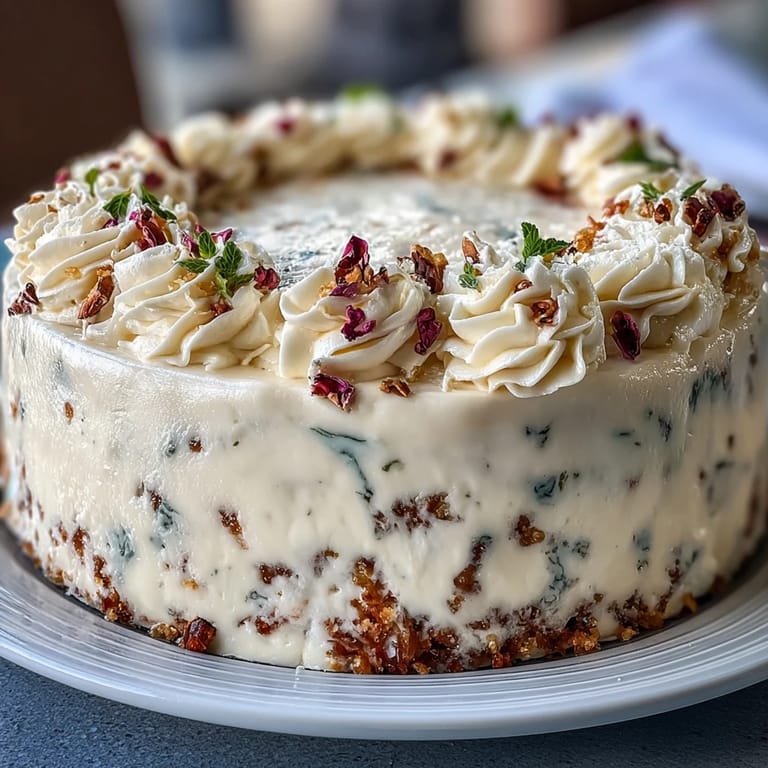
You can bake the cake layers up to two days ahead and keep them wrapped at room temperature, which takes stress out of the day-of preparations. The buttercream can be made the day before too, and the piping itself takes about thirty to forty minutes once you get into a rhythm. Here's the practical breakdown to get you across the finish line:
- Bake layers one to two days ahead, wrap well, and store at room temperature away from humidity.
- Make buttercream the night before and store covered at room temperature, then refresh it with a few seconds of stirring before use.
- Do your leveling, layering, and crumb coat the morning of if possible, then refrigerate until you're ready to final frost and decorate.
 Save
Save This cake isn't just for graduations and Taurus birthdays—it's for anyone deserving of something made with care and intention. Once you nail these techniques, you'll find yourself making celebration cakes for everyone, because there's something magical about handing someone a dessert you created from scratch.
Recipe FAQ Section
- → How do I achieve vibrant floral colors in the buttercream?
Use gel food coloring in small increments, mixing thoroughly until you reach the desired shade without thinning the buttercream.
- → What is the best way to assemble the layered cake?
Ensure each cake layer is fully cooled and leveled before spreading an even layer of buttercream between layers for stable stacking.
- → Can I prepare the floral decorations ahead of time?
Yes, pipe floral buttercream shapes onto parchment and chill them before transferring to the cake for intricate designs.
- → How do I prevent the buttercream from melting while decorating?
Keep the buttercream chilled until ready to use and work in a cool environment to maintain texture and firmness.
- → What alternatives enhance the cake flavor?
Adding a teaspoon of almond extract to the batter enriches the cake’s flavor with a subtle nutty aroma.