 Save
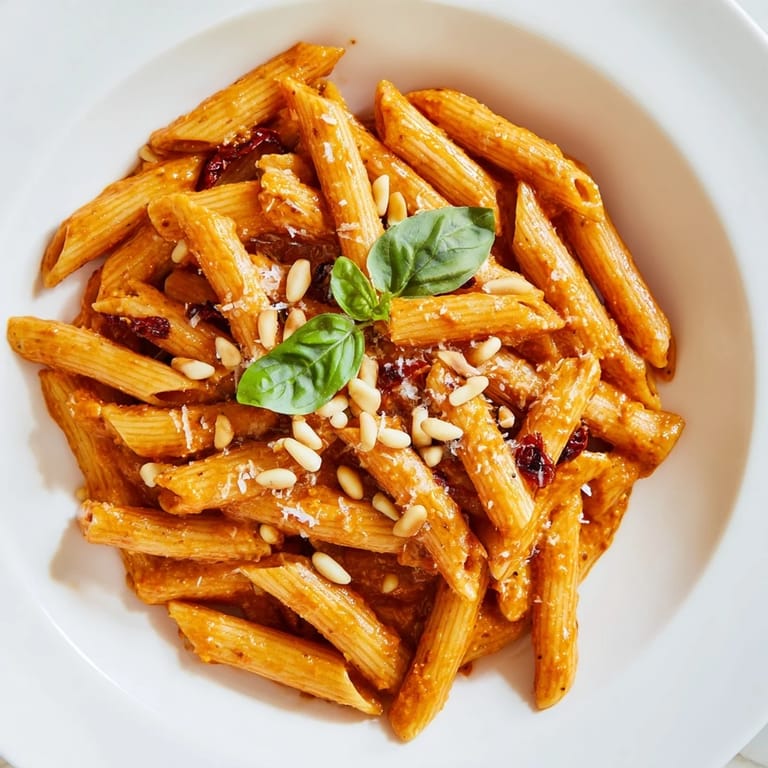
Save I discovered sun-dried tomato pesto quite by accident one afternoon when I was rifling through a half-empty jar in the back of my pantry, wondering what to do with it. Rather than let it languish, I decided to transform it into something bold and vibrant. The first time I blended those ruby-red tomatoes with garlic, basil, and nuts, the kitchen filled with this intoxicating aroma that made me stop and just breathe it in. That unexpected moment taught me that sometimes the best meals come from working with what you already have on hand.
I made this for my sister one evening when she called saying she was exhausted and didn't want to cook, but didn't want takeout either. Twenty minutes later, we were sharing a steaming bowl at my kitchen counter, and she looked at me with genuine surprise and asked how I'd made something taste so sophisticated so quickly. That's when I realized this dish has a quiet magic to it—it feels fancy enough to impress but honest enough to feel like home.
Ingredients
- Dried pasta (penne, fusilli, or spaghetti), 400 g: Choose a shape that catches and holds the pesto; tubes and spirals work best because the sauce clings to them beautifully.
- Sun-dried tomatoes in oil, 120 g (drained, reserve 2 tbsp oil): These are your secret weapon—they're intensely flavored and already soft, so they blend into silk without any cooking.
- Freshly grated Parmesan cheese, 50 g: Grate it yourself if you can; pre-shredded cheese contains anti-caking agents that make the pesto grainy.
- Toasted pine nuts, 40 g: Toasting them first brings out their buttery flavor and makes them less likely to taste raw in the finished dish.
- Fresh garlic cloves, 2: Use fresh cloves, not pre-minced; they give you a cleaner, sharper bite that won't overpower the tomatoes.
- Fresh basil leaves, 30 g: Add these last when blending, and don't over-process them or they'll turn dark and bitter.
- Reserved sun-dried tomato oil and extra-virgin olive oil, 4 tbsp total: The combination of these two oils creates depth; using only one will make the pesto taste thinner.
- Lemon juice from 1/2 lemon: This brightens everything and keeps the green of the basil from fading as the pesto sits.
- Salt and black pepper, to taste: Season as you go, tasting frequently, because the Parmesan adds saltiness you might not expect.
- Fresh basil and extra Parmesan, for serving: These aren't just garnish—they add a final burst of freshness that makes the whole dish feel alive.
Tired of Takeout? 🥡
Get 10 meals you can make faster than delivery arrives. Seriously.
One email. No spam. Unsubscribe anytime.
Instructions
- Bring water to a rolling boil:
- Fill a large pot with water and salt it generously—it should taste like the sea. Bring it to a vigorous boil before adding pasta so it cooks evenly and doesn't stick.
- Cook pasta until just al dente:
- Follow package timing but check one minute before the suggested time; you want it tender but with a slight firmness when you bite it. Reserve half a cup of starchy pasta water before draining—this is liquid gold for loosening the pesto later.
- Combine pesto ingredients in the food processor:
- Add sun-dried tomatoes, Parmesan, pine nuts, garlic, and basil to the processor bowl. Pulse a few times until everything is finely chopped but not yet smooth; you want texture, not a paste.
- Blend in oils and citrus:
- Pour in the reserved tomato oil, olive oil, and lemon juice, then blend until the mixture reaches a smooth, spoonable consistency. Scrape down the sides as you go so nothing hides at the bottom.
- Adjust pesto thickness with pasta water:
- If your pesto looks too thick and chunky, add the reserved pasta water one tablespoon at a time while blending until it reaches a sauce consistency. This starchy water helps it coat the pasta evenly.
- Toss pasta with pesto:
- In a large bowl, combine the warm pasta with the pesto, using tongs or two wooden spoons to gently turn everything together. The warmth of the pasta helps the pesto coat every piece; if it looks dry, add a splash more pasta water.
- Serve immediately:
- Transfer to plates or bowls while everything is still warm, then top with fresh basil and a generous handful of grated Parmesan. The heat brings out the aroma of both the basil and cheese.
 Save
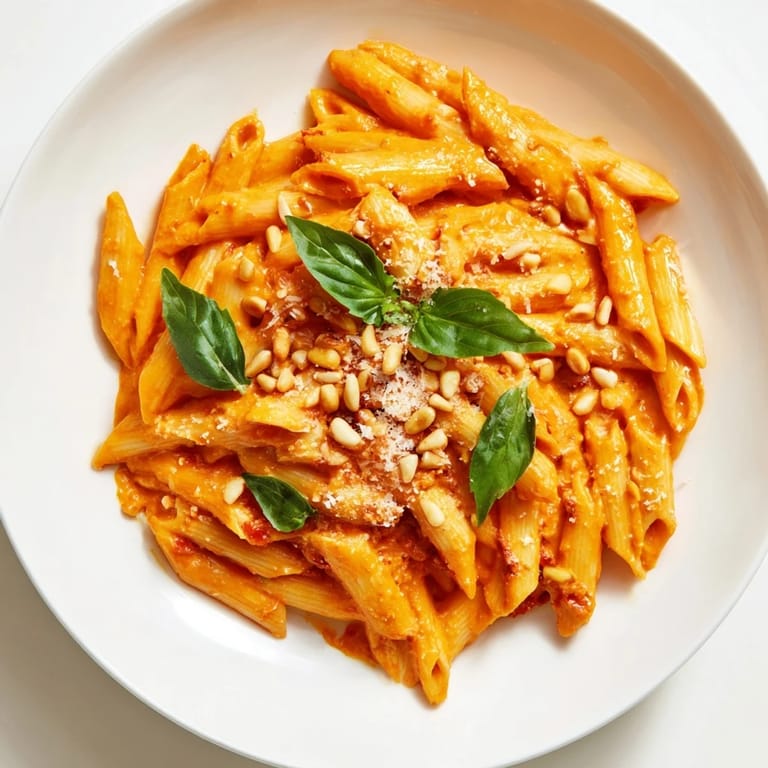
Save There was a moment last summer when I served this to a group of friends, and one of them asked if I'd made the pesto myself or bought it from somewhere special. I hadn't; it was just sun-dried tomatoes and a food processor and about fifteen minutes of attention. Watching their faces as they realized how simple it actually was, yet how much flavor was on their plate—that's when this dish stopped being just a recipe for me and became something I wanted to share whenever I could.
Why Pine Nuts Matter Here
Pine nuts bring a subtle creaminess and buttery warmth that walnuts simply can't replicate, though walnuts are absolutely a budget-friendly swap if pine nuts feel too expensive. I learned this distinction the hard way after trying both, and while I don't judge anyone for choosing walnuts, I notice the difference in every bite—pine nuts add a gentleness to the pesto that makes it feel more refined without tasting pretentious. Toasting them lightly before blending releases their oils and prevents that raw, slightly bitter taste that catches people off guard.
Building Flavor Layers
What makes this pesto sing is the combination of three separate flavor sources: the concentrated sweetness and depth of sun-dried tomatoes, the sharp freshness of raw basil and lemon, and the umami richness from Parmesan and the tomato oil. Most people think pesto is just basil, but that's only one note; using sun-dried tomatoes instead of raw ones adds a complexity that feels almost meaty. The two different oils—the fruity olive oil and the deeper tomato oil—create a sauce with real dimension, whereas using just one oil leaves you with something flat and one-dimensional.
Variations and Serving Ideas
This pesto is versatile enough to dress up morning eggs, sit atop grilled bread as a simple bruschetta, or dollop onto soup just before serving. I've layered it into lasagna, stirred it into ricotta for a quick filling, and even spread it on roasted vegetables as a finishing touch. One quiet discovery: add a handful of arugula or fresh spinach to the food processor along with the basil for an earthy twist that deepens the green and adds a peppery note.
- For protein, scatter grilled chicken or roasted chickpeas over the top, or toss in some white beans right into the pasta.
- Roasted zucchini, eggplant, or bell peppers fold in beautifully and make the dish feel more substantial without weighing it down.
- Finish with a drizzle of really good extra-virgin olive oil and a crack of sea salt for a final touch that feels intentional and warm.
 Save
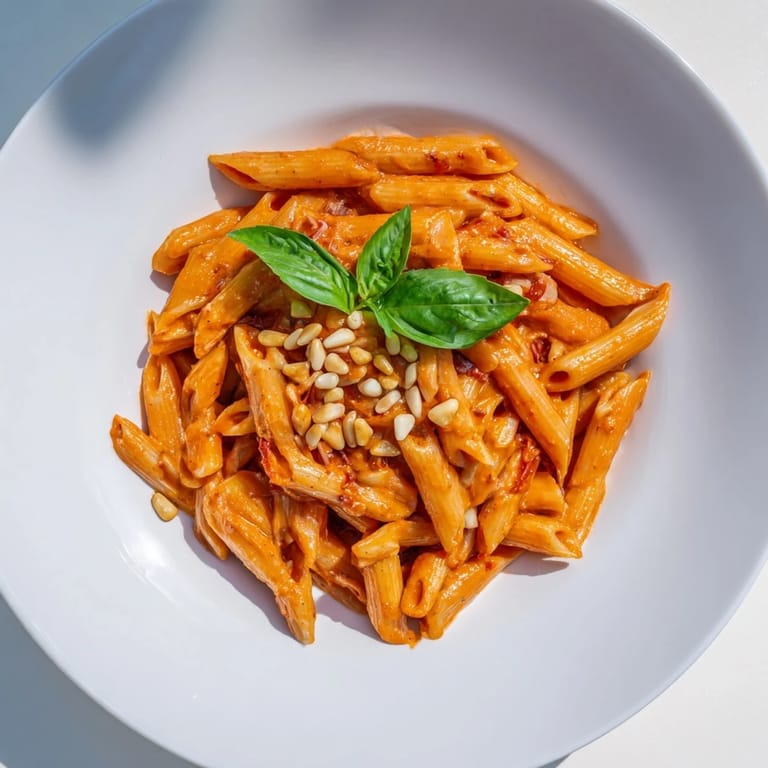
Save This dish reminds me that cooking doesn't have to be complicated to be meaningful. It's a meal that comes together quickly but tastes like you've spent the afternoon in the kitchen, and that small bit of magic is always worth savoring.
Recipe FAQ Section
- → What type of pasta works best for this dish?
Penne, fusilli, or spaghetti are ideal as they hold the pesto sauce well.
- → Can I substitute pine nuts in the pesto?
Yes, toasted walnuts offer a budget-friendly alternative without sacrificing texture.
- → How do I adjust the pesto thickness?
Add reserved pasta cooking water gradually to loosen the sauce for a silky consistency.
- → Is it necessary to reserve the oil from sun-dried tomatoes?
Yes, reserving 2 tablespoons of the oil enhances the pesto’s richness and flavor.
- → Can this dish be modified for vegan diets?
Replace Parmesan cheese with nutritional yeast for a dairy-free option while keeping the savory notes intact.
- → How should leftovers be stored?
Store in an airtight container in the refrigerator and consume within 2 days for best freshness.