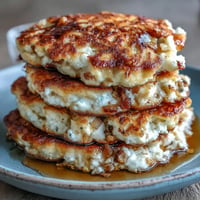
 Save
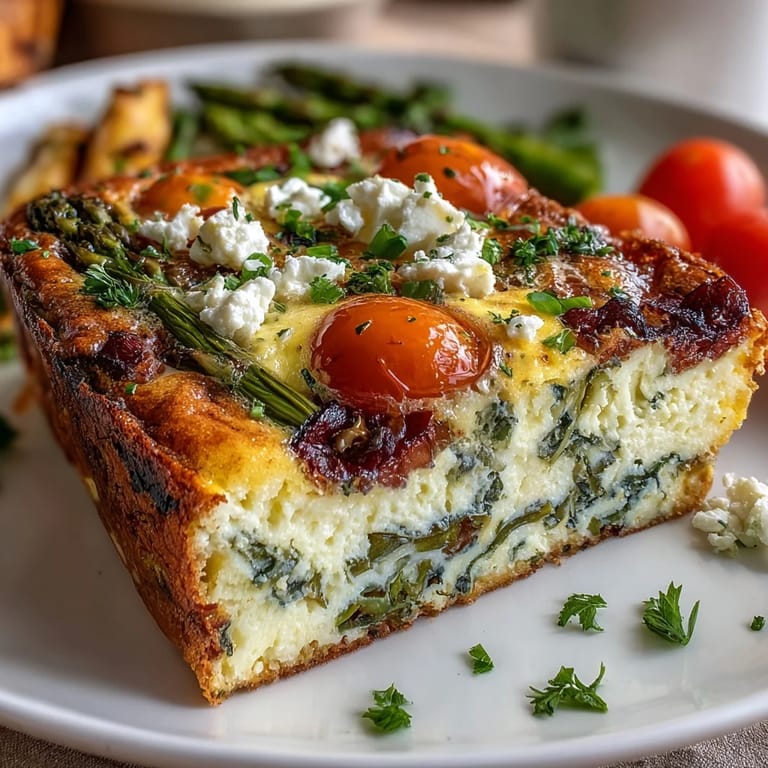
Save There’s something about the scent of just-cut chives and warming olive oil that signals spring has actually arrived. I first decided to make this sheet pan Easter frittata when my kitchen felt crowded with friends on a bustling Saturday, everyone laughing, coffee mugs perpetually half full. A handful of leftovers and an impulse to use up every cheerful green in the fridge led to this fluffy, colorful creation. The sizzle of veggies in the skillet, the gentle pour of bright eggs over everything—it felt like conjuring sunshine onto a plate. Even now, baking it always turns my kitchen into a place where holiday calm feels possible, even if just for brunch.
One Easter morning, my cousin and I ended up spilling half the tomatoes while gossiping at the counter. We stopped, mid-laugh, surprised at how good the kitchen smelled as the peppers softened and greens wilted just so. By the time the frittata came out, our conversation had wandered everywhere—jobs, travel, where we’d get coffee after. Handing out bright squares of frittata, I realized nobody missed the usual ham and rolls. That time, this dish really became our new family tradition.
Ingredients
- Asparagus: Nothing says spring like the tender crunch of just-cooked asparagus—snapping off the woody ends makes all the difference.
- Cherry tomatoes: Their burst of sweet acidity is essential, but halve them to keep the juices from watering down the eggs.
- Bell peppers (red and/or yellow): Add not just color, but also a mellow sweetness—always dice them fine so every slice has a little of each.
- Baby spinach: A gentle handful wilts fast into silkiness; roughly chopping means green in every bite.
- Red onion: Sliced thin, it goes fragrant and sweet on the stove—don’t rush this part.
- Large eggs: The heart of your frittata—room temperature eggs whisk up extra fluffy.
- Whole milk: Just enough to keep the texture rich, but not so much the frittata goes custardy.
- Feta cheese (or goat cheese): Salty and creamy—crumbled in for tang, or swap for goat cheese for a mellow bite.
- Parmesan cheese: The top note of umami, grated finely so it melts in.
- Olive oil: For sautéing and flavor—don’t skimp, but use just enough to gloss the vegetables.
- Fresh chives: Chop chives small for their gentle onion pop, sprinkled right into the eggs.
- Fresh parsley: I like the fresh grassy note, though dill works if you want a twist.
- Salt: Measure carefully—cheese brings its own salt, so don’t go heavy.
- Freshly ground black pepper: Gives heat and depth—crack it fresh for best flavor.
- Smoked paprika (optional): A whisper of smoky warmth, used sparingly it adds mystery.
Tired of Takeout? 🥡
Get 10 meals you can make faster than delivery arrives. Seriously.
One email. No spam. Unsubscribe anytime.
Instructions
- Prep the oven and pan:
- Set your oven to 400°F (200°C), then line or grease your sheet pan so nothing sticks later.
- Whisk it up:
- In a large bowl, whisk eggs, milk, salt, pepper, and smoked paprika until the mixture looks pale and a bit bubbly on top.
- Add the cheeses and herbs:
- Gently fold in feta, Parmesan, chives, and parsley—the aroma here is already tempting.
- Sauté the vegetables:
- Heat olive oil in a skillet over medium, then tumble in asparagus, bell peppers, and red onion; listen for that cheerful sizzle, sauté until just softened, then add spinach to wilt quickly.
- Layer it all:
- Spread those sautéed vegetables and cherry tomatoes across the prepared sheet pan so everything’s evenly scattered.
- Pour and level:
- Slowly pour your egg mixture over the veggies, making sure it streams into every corner, then give the pan a gentle shake to settle it all.
- Bake to golden perfection:
- Slide the pan in and bake for 22–25 minutes—the top should puff up, edges turn golden, and nothing should jiggle in the center.
- Cool and serve:
- Let it rest 5 minutes so slices hold together, then cut into squares and serve warm or at room temperature.
 Save
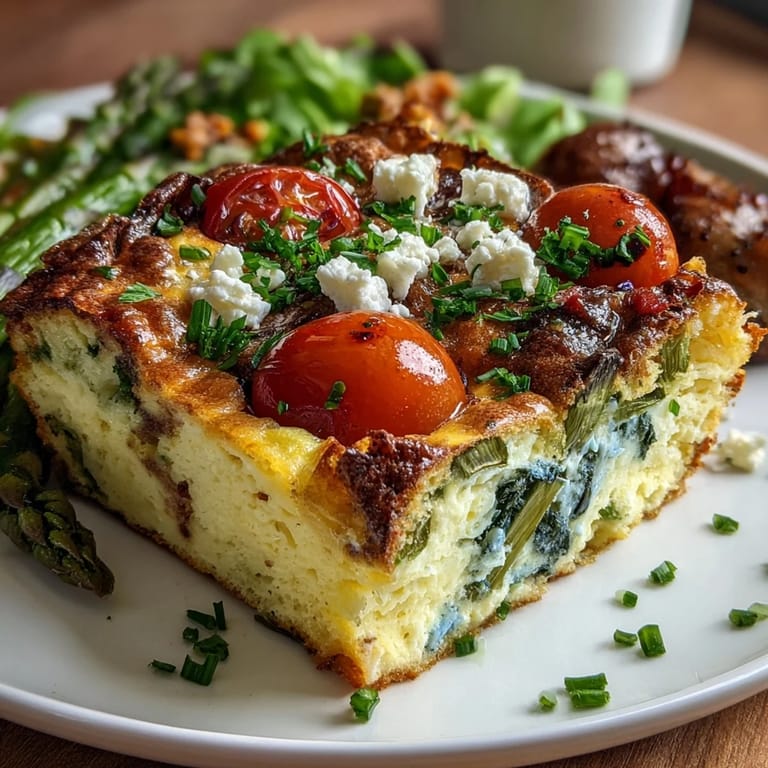
Save One year, my nephew insisted this frittata was ‘the breakfast that smiles’ because of its colors. Watching everyone load up their plates, with soft jazz playing and bright sunlight streaming in, I felt something special—like this was more than just a meal, but part of the day’s joyful memory. Each time I make it, I still picture those colorful squares disappearing fast, and empty plates ready for another round.
How to Make It Ahead
If you want a less hectic holiday, prep your vegetables and have your cheese and herbs chopped the night before. The egg mixture can be whisked ahead and chilled, then assembled and baked fresh in the morning for maximum fluff.
Customizing for Every Palate
This is a forgiving recipe—whatever’s fresh and in season works, from peas to artichokes to thin slices of leftover roasted vegetables. Try different cheeses or add a shake of chili flakes for those who like a little zing, making sure to keep the egg ratio the same for the right texture.
Troubleshooting Common Frittata Fumbles
I’ve learned not to overbake or stir too much once the eggs are poured—leave everything settled and resist poking. If you find the edges brown too quickly, tent with foil for the final minutes. And don’t panic if it loses a touch of puff as it cools, that’s normal.
- If your vegetables have too much moisture, blot with a paper towel before adding to the pan.
- Always use parchment or thorough oiling so slicing is effortless and mess-free.
- Don’t skip the resting time, it really helps the flavor and structure set.
 Save
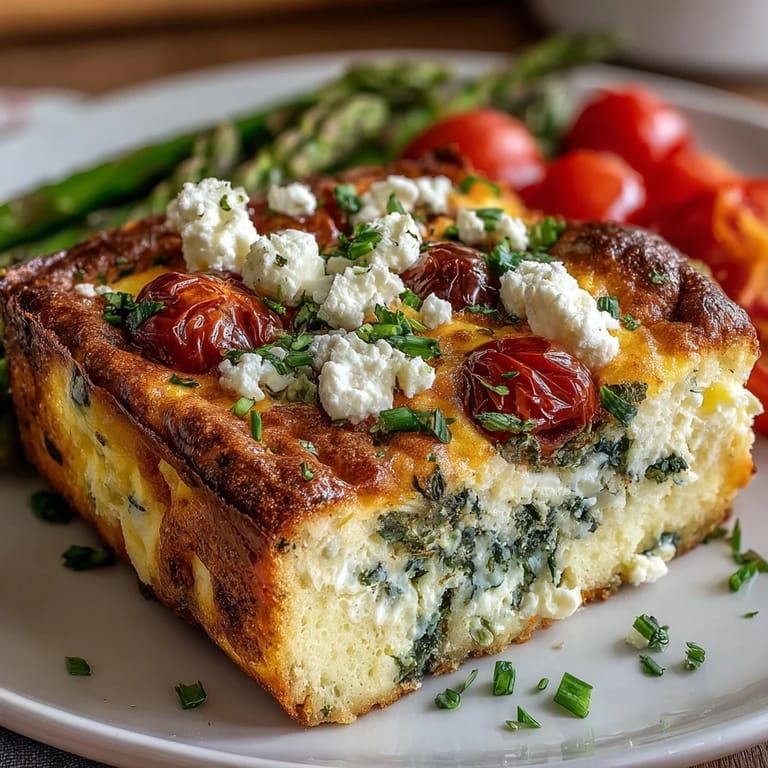
Save Brunch is just brighter with a pan of these squares stacked on the table. I hope this frittata brings you as much delight, laughter, and sunshine as it’s brought my own kitchen.
Recipe FAQ Section
- → How long should I bake the frittata?
Bake at 400°F (200°C) for 22–25 minutes until the eggs are puffed, golden, and set in the center. A gentle jiggle in the middle is fine; allow a 5-minute rest before slicing.
- → Which vegetables work best in the pan?
Asparagus, cherry tomatoes, bell peppers, spinach, and thinly sliced red onion hold up well. Swap in seasonal choices like zucchini, peas, or artichoke hearts as needed.
- → How can I avoid a soggy bottom?
Sauté firmer vegetables first to release moisture and remove excess liquid. Spread them evenly on a rimmed pan and use a hot oven to help the custard set quickly.
- → Is there a dairy-free option?
Use unsweetened plant milk and plant-based cheese alternatives or omit the cheese. Adjust seasoning to taste since plant cheeses vary in saltiness.
- → Can I make it ahead and how do I store leftovers?
Yes. Cool completely, store in an airtight container in the fridge for up to 3 days. Reheat in a moderate oven or a skillet to retain texture; serve warm or at room temperature.
- → What are good serving suggestions?
Cut into squares for easy serving at brunch. Pair with a fresh green salad or crusty bread for a balanced meal and a bright presentation.