 Save
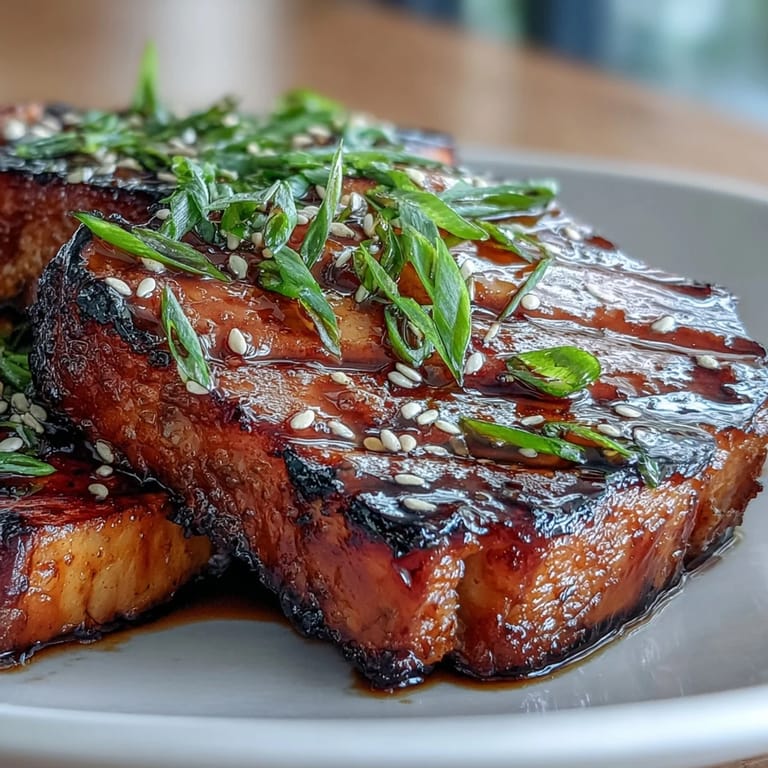
Save Steam curled up from the oven on a rainy Wednesday night, and the aroma that wafted out was unmistakably nutty and sweet. It wasn’t until I tried miso glazed eggplant at a little family-style izakaya that I realized how transformative a simple glaze could be. One evening, eager to recover that rich umami depth at home, I found myself brushing miso over glossy, just-roasted eggplant while my playlist crackled in the background. The caramelizing sauce bubbled with a soft hiss under the broiler, tempting me to peek in far too early. Somehow, a dish so simply assembled had become my go-to solution for elevating a weeknight meal with almost no effort.
The first time I made this for friends, we hovered over the baking sheet in the kitchen, impatiently waiting for the bubbling top to set. Someone snagged an early slice, and suddenly every plate was emptying before the rice was even ready. Now it’s the unofficial centerpiece at any potluck I attend, and I’ve given out the recipe enough times that I could probably recite it in my sleep.
Ingredients
- Eggplant: Look for medium eggplants that feel firm but slightly springy — I’ve found older ones can be bitter, so fresher is best.
- White miso paste (shiro miso): This is key for that balanced mellow-salty glaze; don’t swap for red miso unless you want a much punchier flavor.
- Mirin: Adds sweetness and a hint of complexity; if you don’t have it, a splash of rice vinegar with sugar gets you close.
- Sake: Its gentle fragrance rounds out the glaze but don’t fret if you need to skip—just up the mirin slightly.
- Sugar: Helps the glaze caramelize—you’ll notice when the edges go bubbly and golden under the broiler.
- Soy sauce: A dash deepens the umami; for gluten-free, tamari works with no loss of flavor.
- Sesame oil: Brush it on the eggplant and you’ll get extra silkiness — it also keeps the flesh from drying.
- Toasted sesame seeds: Just a pinch for that subtle crunch; toast them yourself for best aroma.
- Green onions: Slice very thin for a fresh, bright finish on the rich glaze.
Tired of Takeout? 🥡
Get 10 meals you can make faster than delivery arrives. Seriously.
One email. No spam. Unsubscribe anytime.
Instructions
- Get Set:
- Preheat your oven to 400°F (200°C) and line a baking sheet with parchment paper so nothing sticks later on.
- Score & Prep:
- Halve the eggplants lengthwise and use a sharp knife to gently score the fleshy sides in a diamond pattern, stopping short of the purple skin for a perfect bite every time.
- Oil & Roast:
- With a pastry brush, sweep a little sesame oil over each cut side and settle the halves facing up on your prepared sheet; roast until soft and golden, about 25 minutes.
- Mix the Glaze:
- While they roast, stir miso paste, mirin, sake, sugar, and soy sauce together in a saucepan over low heat; keep watch and stir until it’s velvety and slightly thickened, about 2-3 minutes.
- Glaze the Eggplant:
- Once roasted, cover the scored flesh evenly with the miso glaze using your brush for maximum coverage.
- Broil to Finish:
- Slide the eggplants under a broiler (grill) set to high for 3-5 minutes; stay close and watch as the glaze bubbles and caramelizes—just until the edges turn deep gold.
- Garnish & Serve:
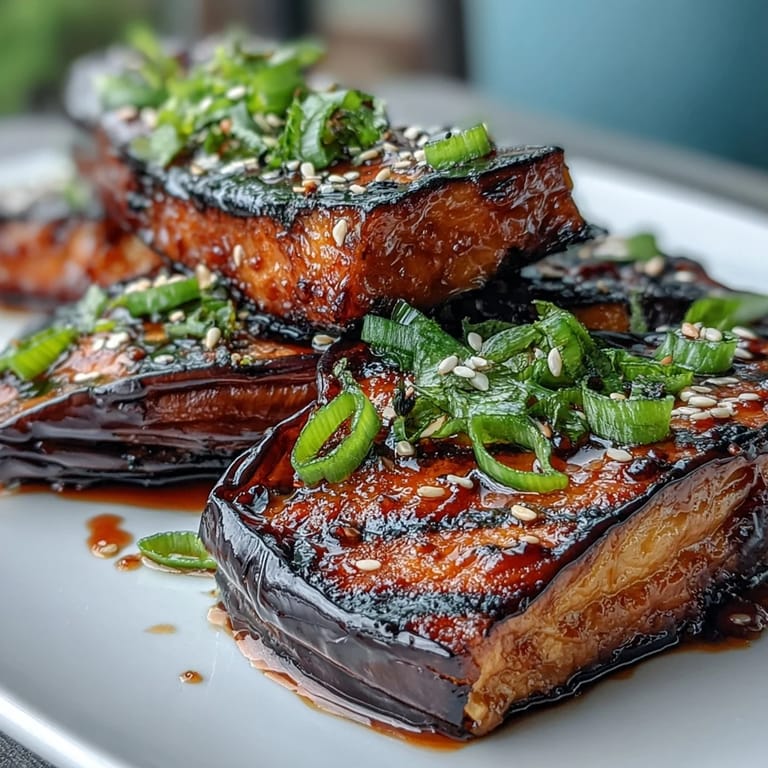
- Move the eggplants onto a platter, sprinkling sesame seeds and green onions over the glistening tops. Serve warm and enjoy the aromatic steam as you tuck in.
 Save
Save 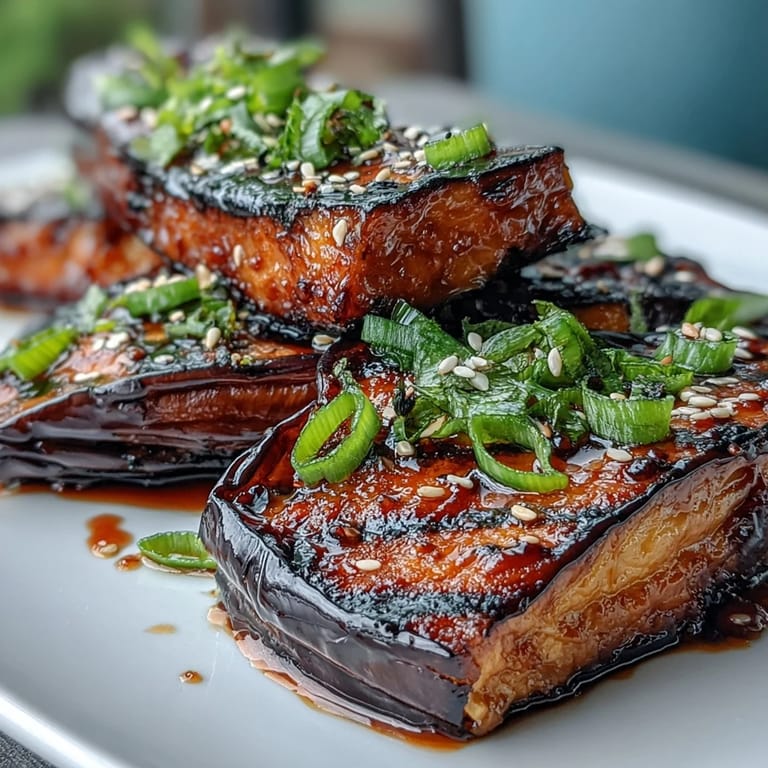 Save
Save Watching someone take their first bite of this eggplant—eyes widening, a small satisfied nod—it’s clear the simple act of broiling with miso turns a humble vegetable into a small celebration. There’s a communal hush for a moment, just the crunch of sesame seeds and the unspoken joy of a dish that feels greater than the sum of its parts.
Getting the Perfect Caramelization Every Time
Broiling is where all the magic (and the risk) happens. I always keep the oven door cracked open and a close eye on the eggplant; just a few seconds too long takes you from glossy perfection to charred disaster. In my kitchen, setting a timer for three minutes then checking every thirty seconds after has saved many trays.
Making It Your Own
It’s hard to resist a little experimentation as you make this. Sometimes I sprinkle chili flakes or add a touch of grated ginger to the glaze for something bolder. Serving over steamed jasmine rice or alongside a cool cucumber salad turns the dish into a light meal when you want more than just a side.
Eggplant Tips I Wish I Knew Sooner
Eggplant needs just a bit of patience. Letting the halves rest after roasting lets the juices redistribute and keeps the flesh silky when you take that first bite.
- Taste your miso before mixing—different brands can swing from sweet to salty.
- If your eggplants are very large, add a few extra minutes roasting and check for doneness with a fork.
- If you want extra crunch, scatter a few chopped roasted peanuts on top with the sesame seeds.
 Save
Save 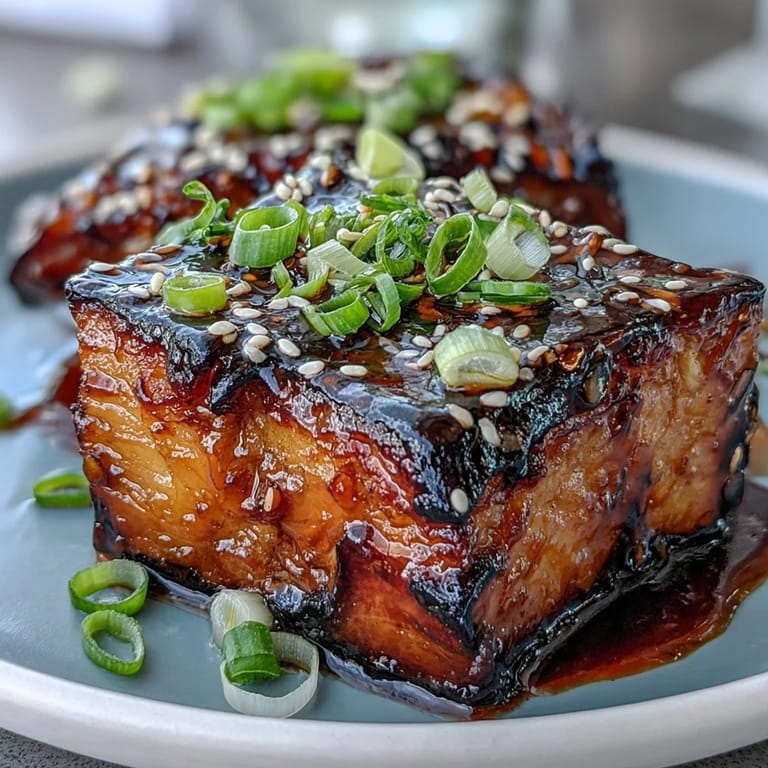 Save
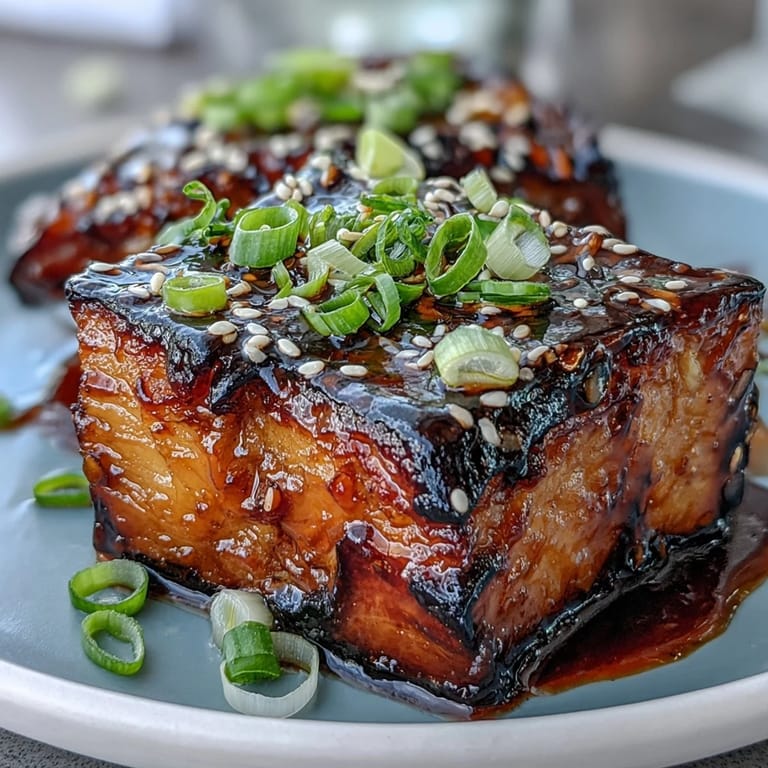
Save If you love dishes that taste like a little kitchen victory, this miso glazed eggplant is sure to earn new fans at your table. Little surprises like this make every home-cooked meal feel special.
Recipe FAQ Section
- → What type of eggplant works best?
Slightly firm, medium eggplants are ideal; they hold shape when roasted and develop a tender, silky flesh. Japanese or globe eggplants both work well—adjust roasting time for larger specimens.
- → How do I prevent the flesh from becoming soggy?
Score the flesh in a crosshatch to speed even cooking and let steam escape. Roast cut side up at a high temperature so moisture evaporates and edges brown rather than sit in liquid.
- → Can I make the glaze ahead of time?
Yes. Warm the miso glaze briefly before using if it has thickened. Stir well to reincorporate any separation from cool storage.
- → How do I avoid burning the glaze under the broiler?
Keep the oven rack a safe distance from the heat source, watch closely during broiling, and broil in short bursts until bubbling and caramelized rather than blackened.
- → What are good serving suggestions?
Serve warm over steamed rice, with lightly pickled vegetables, or alongside grilled proteins. Sprinkle toasted sesame seeds and sliced green onions for texture and freshness.
- → Are there simple substitutions for mirin or sake?
Use a mix of rice vinegar and a touch of sugar in place of mirin. If avoiding sake, a mild rice cooking wine or additional mirin substitute will maintain the sweet-acid balance.