 Save
Save There's something almost magical about roasted garlic that I discovered by accident one winter evening when I'd intended to roast a whole chicken but realized I had only a bag of garlic bulbs and cream in my kitchen. Rather than abandon dinner, I threw those bulbs in the oven and watched them transform from pungent and sharp into something sweet and almost buttery. That night taught me that sometimes the best dishes come from happy mistakes, and this pasta sauce became a regular request from anyone I cooked it for.
I made this sauce last spring for my neighbor's book club, and I'll never forget how quiet the table got when everyone took their first bite—the kind of quiet that means something is really working. One guest asked if I'd added cream, then asked again when I said yes, convinced there had to be some hidden ingredient making it taste so velvety and full.
Ingredients
- 3 large whole garlic bulbs: These are your star ingredient, and their quality matters more than you'd think. Choose bulbs that feel heavy and firm, not dried out or soft to the touch, as this affects how sweet they become when roasted.
- 1 medium yellow onion, finely chopped: Yellow onions have a natural sweetness that complements the roasted garlic perfectly, creating a base layer of flavor that makes the whole sauce feel more complex.
- 1 (400 g) can diced tomatoes: Canned tomatoes work better here than fresh because they're consistent year-round and their acidity balances the richness of the cream beautifully.
- 2 tbsp fresh basil, chopped: Fresh basil added at the end keeps its brightness; dried basil will make the sauce taste bitter if cooked too long.
- 60 ml (1/4 cup) heavy cream: Don't skimp on quality here—the cream is what makes this sauce silky rather than thin.
- 30 g (2 tbsp) unsalted butter: Unsalted butter gives you control over the final salt level and adds richness that salted butter can't quite match.
- 30 g (1/4 cup) grated Parmesan cheese: Freshly grated Parmesan melts into the sauce smoothly, while pre-grated versions sometimes become grainy and don't incorporate as cleanly.
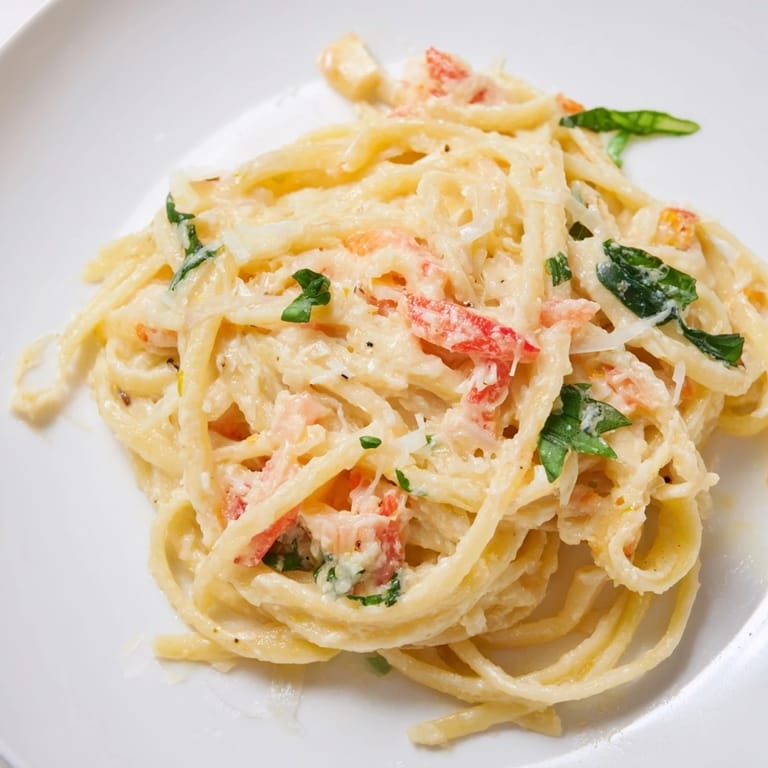
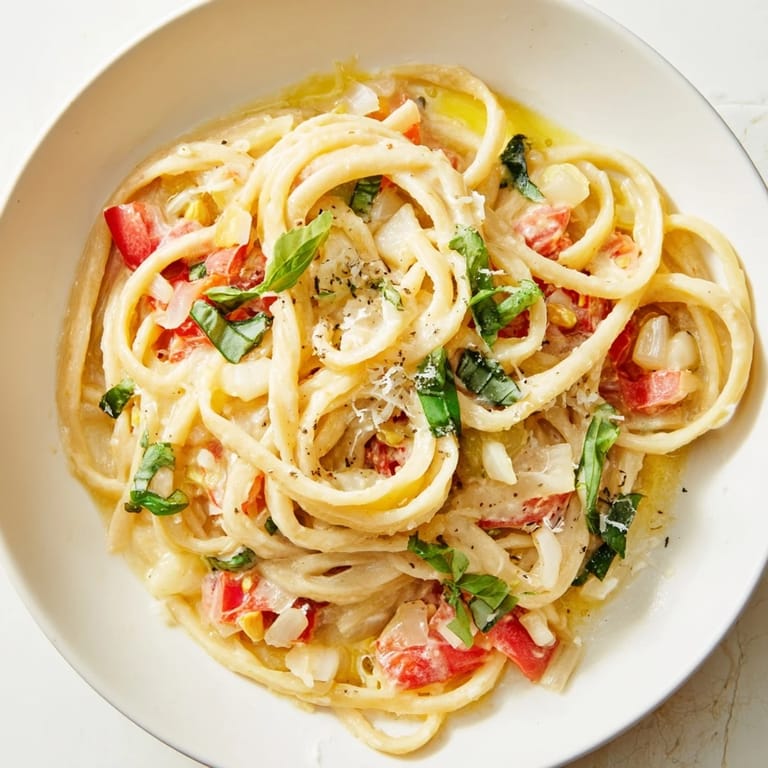
- 350 g dried pasta: Choose whichever shape you love—spaghetti clings nicely to this creamy sauce, but so do linguine and fettuccine.
- 2 tbsp olive oil: Use your everyday olive oil here, not your best one, since heat will break down its delicate qualities.
- 1/2 tsp salt and 1/4 tsp black pepper: Season gradually and taste as you go, because the cheese will add saltiness at the end.
- 1/2 tsp red pepper flakes: This is optional, but it adds a whisper of heat that makes people ask what the secret ingredient is.
Tired of Takeout? 🥡
Get 10 meals you can make faster than delivery arrives. Seriously.
One email. No spam. Unsubscribe anytime.
Instructions
- Prepare your garlic for roasting:
- Preheat your oven to 200°C (400°F). Slice just the top quarter inch off each garlic bulb so you can see the individual cloves nestled inside, then place each bulb on a piece of foil, drizzle generously with olive oil, sprinkle with a pinch of salt, and wrap the foil tightly around it like you're tucking it into bed.
- Roast until golden and sweet:
- Put those wrapped bulbs into the oven for 35 to 40 minutes—you'll know they're ready when the exposed cloves look golden and smell almost caramel-like instead of sharp. Let them cool for a few minutes so you don't burn your fingers when you squeeze out the soft cloves.
- Squeeze out the treasure:
- Once cool enough to handle, squeeze each garlic clove out of its papery skin into a bowl—they'll slip right out—then mash them together with a fork until you have a smooth paste that smells incredible.
- Get your pasta going:
- In a large pot of salted boiling water, cook your pasta according to the package directions, but before you drain it, scoop out about 120 ml (half a cup) of that starchy pasta water and set it aside—this liquid is your secret weapon for adjusting the sauce's consistency later.
- Build the sauce foundation:
- Heat the olive oil in a large skillet over medium heat, add your finely chopped onion, and let it cook gently for about 5 minutes until it turns translucent and soft, stirring occasionally so it doesn't brown.
- Wake up the roasted garlic:
- Stir your mashed roasted garlic into the onions and cook for just about 1 minute—this brief cooking releases its full aroma into the oil and sets the stage for everything that comes next.
- Add tomatoes and herbs:
- Pour in the canned diced tomatoes along with the fresh chopped basil, salt, pepper, and red pepper flakes if you're using them. Let this simmer together for 8 to 10 minutes so all the flavors get to know each other and the sauce loses some of its watery edge.
- Make it creamy:
- Stir in the butter and cream, letting them warm through for about 2 minutes, then add the freshly grated Parmesan and stir until it melts into the sauce—taste it now and adjust salt if needed, remembering that the cheese adds its own saltiness.
- Bring it all together:
- Add your drained pasta directly to the skillet and toss everything together, pouring in a splash of that reserved pasta water if the sauce seems too thick—the starch in that water will help the sauce cling to every strand of pasta.
- Finish and serve:
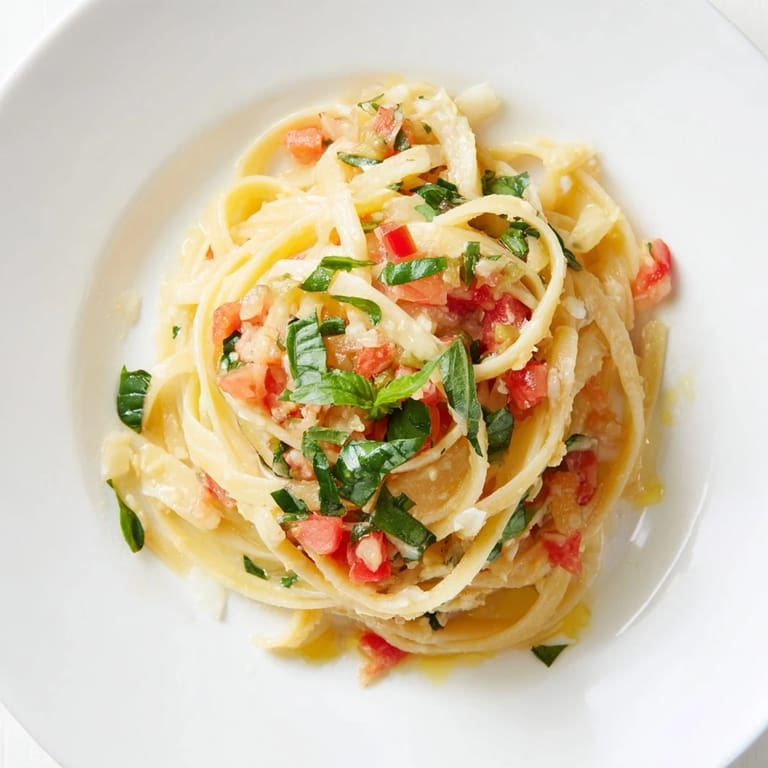
- Transfer to bowls or a serving platter, shower with extra fresh basil and more Parmesan, maybe a drizzle of good olive oil, and serve immediately while everything is still steaming hot.
 Save
Save I served this to my family on a quiet Tuesday night when everyone was tired and hungry and nobody really expected much, and my youngest asked for seconds before finishing his first plate. That's when I realized this sauce does something special—it tastes like comfort but also feels a little bit fancy, which is exactly what weeknight dinners need to be.
Why Roasted Garlic Changes Everything
Raw garlic is aggressive and demanding, the kind of ingredient that announces itself loudly in a dish. But put it in the oven and something remarkable happens—the heat slowly transforms the harsh sulfur compounds into natural sugars, turning each clove into something almost sweet and mellow. This is why roasted garlic works so beautifully in a cream sauce instead of overwhelming it. I didn't understand this chemistry until I accidentally served raw garlic sauce alongside this roasted version at a dinner party, and the difference was like tasting two completely different dishes.
Making This Sauce Your Own
The beauty of this recipe is how forgiving it is once you understand the basic technique. I've made it with whatever pasta was in my pantry, swapped the basil for parsley when I didn't have fresh herbs, and once even added a handful of spinach when I wanted to sneak in more vegetables. The sauce always comes out silky and delicious because the foundation—roasted garlic, cream, and cheese—is so solid.
Storage and Make-Ahead Wisdom
One of my favorite things about this recipe is that you can roast the garlic bulbs a day or even several days ahead, storing them in the fridge in an airtight container so they're ready whenever inspiration strikes. The actual sauce comes together so quickly that you can go from deciding to cook to eating dinner in about 20 minutes if your garlic is already done. This flexibility has saved me more than once when someone texted that they were coming over for dinner.
- Roasted garlic keeps for up to a week in the refrigerator, making it perfect for spontaneous cooking.
- You can also freeze the finished sauce in portions and reheat it gently with a splash of cream when you need it.
- Don't refrigerate the sauce with the pasta mixed in—store them separately so the pasta doesn't get mushy.
 Save
Save This sauce has become my answer to the question everyone asks on a busy weeknight: what's for dinner? It tastes like you've spent hours cooking when you've barely spent any time at all, and it somehow feels both everyday and special at the same time.
Recipe FAQ Section
- → How do I roast garlic for a smooth sauce?
Slice the tops off whole garlic bulbs, drizzle with olive oil, wrap in foil, and roast at 200°C (400°F) for 35–40 minutes until cloves are soft and golden.
- → Can I use different pasta types with this sauce?
Yes, spaghetti, linguine, or fettuccine work well, as they hold the creamy sauce nicely.
- → How does reserved pasta water improve the sauce?
Adding reserved pasta water helps adjust the sauce’s consistency and binds it smoothly to the pasta due to its starch content.
- → What can be used as a vegan alternative to cream and Parmesan?
Plant-based cream and vegan cheese substitutes maintain creaminess and richness without dairy.
- → How can I store leftover roasted garlic?
Store roasted garlic paste in an airtight container in the refrigerator for up to one week to preserve flavor.