 Save
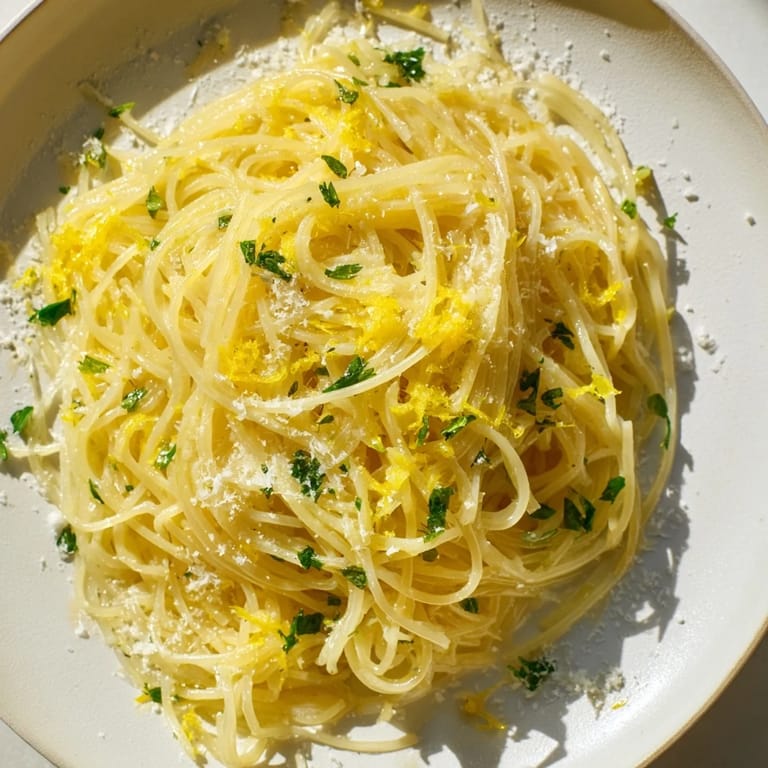
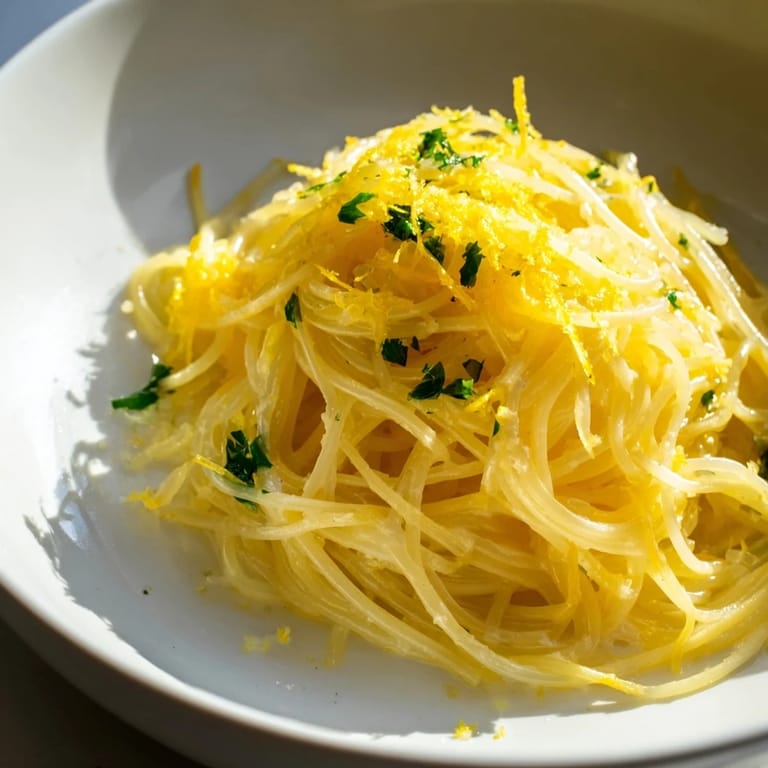
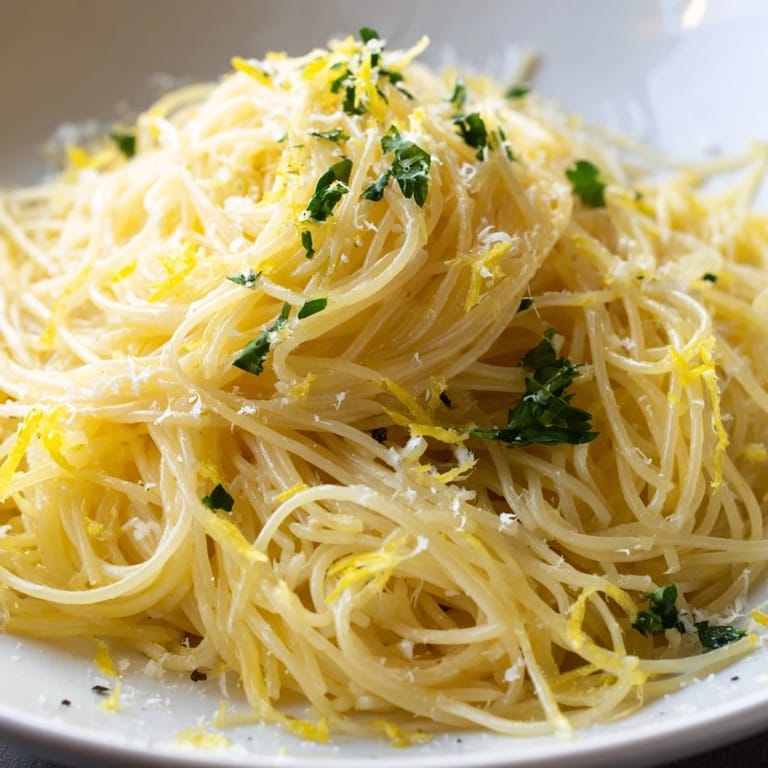
Save There's something about the smell of lemon zest hitting hot butter that instantly makes you feel like you're cooking something special. I discovered this pasta on an ordinary Tuesday when I had nothing in the pantry except some capellini, a couple of lemons, and butter—the kind of moment when constraints actually become creativity. Ten minutes later, I was twirling silky strands on my fork, surprised at how something so simple could taste so bright and refined.
I made this for my sister one evening when she was stressed about work, and watching her face light up at the first bite reminded me that the most nourishing meals aren't always complicated. She asked for the recipe immediately, and now it's become her go-to when she wants to feed herself something that feels intentional without the fuss.
Ingredients
- Capellini: Angel hair pasta cooks in just 2–3 minutes, so timing is everything—test a strand near the end to catch it perfectly al dente.
- Unsalted butter: This is where the silky richness comes from, so don't skimp or substitute with margarine.
- Lemons: Use fresh ones you've never squeezed before if you can; the zest is where all the brightness lives, so zest generously and don't be shy.
- Extra-virgin olive oil: This adds depth to the butter, creating a more complex sauce than either ingredient alone.
- Pasta water: Save it like liquid gold—the starch is what transforms butter and oil into a silky emulsion.
- Parmesan cheese: Freshly grated makes all the difference; pre-grated versions don't melt smoothly into the sauce.
- Fresh parsley: A handful stirred in at the end brightens everything and stops the dish from feeling one-note.
Tired of Takeout? 🥡
Get 10 meals you can make faster than delivery arrives. Seriously.
One email. No spam. Unsubscribe anytime.
Instructions
- Set your mise en place:
- Zest your lemons into a small bowl, then juice them into another. Having everything ready before you start cooking means you're not fumbling around once the butter starts sizzling.
- Boil the water and cook the pasta:
- Fill a large pot about three-quarters full with water and add a tablespoon of salt—it should taste like the sea. Once it's rolling at a boil, add the capellini and stir gently to separate the strands. Start checking for doneness at 2 minutes.
- Build the sauce while pasta cooks:
- In a large skillet, melt the butter over medium heat, then add the olive oil. You'll smell it before you see it working—that's when you add the lemon zest and juice, stirring gently so the heat doesn't make the mixture seize up.
- Marry the pasta and sauce:
- Drain the capellini into a colander, but before you shake out every drop of water, reserve about half a cup in a measuring cup. Add the hot pasta to your skillet and toss with tongs, pouring in a little pasta water at a time until the sauce becomes silky and clings to each strand.
- Finish and plate:
- Remove from heat, stir in the Parmesan and parsley, taste for salt and pepper, and serve immediately with a little more cheese scattered on top.
 Save
Save The real magic happened when my grandmother tasted this and said it reminded her of summers in Amalfi, even though I'd never been there myself. That's when I realized that simplicity, when done with intention, becomes a kind of memory in itself.
Timing Is Everything
The entire dish hinges on speed and coordination—your pasta water needs to be at a rolling boil when you're ready to add the capellini, and the sauce should still be warm (not hot) when the drained pasta meets it. If you hesitate or get distracted, the butter can separate or the pasta can overcook in its own residual heat. The beauty of this recipe is that it teaches you to move with purpose in the kitchen without rushing.
Why This Works
Capellini is delicate enough that it absorbs the sauce almost immediately, so every strand gets coated evenly without needing a heavy cream or oil slick. The lemon zest stays suspended in the butter, peppering your mouth with brightness on every bite, while the juice adds acidity that balances the richness. This balance—luxurious but refreshing—is what makes this pasta feel special even though it's just four basic components.
Variations and Additions
Once you master the basic formula, the dish becomes a canvas for whatever you have on hand or whatever season it is. I've made it with fresh mint instead of parsley in the summer, stirred in crispy breadcrumbs for texture on a whim, and topped it with everything from grilled shrimp to roasted garlic cloves. The core recipe is so clean that anything you add becomes part of a conversation instead of a distraction.
- For protein, sear some shrimp in a separate pan and toss them in at the end, or nestle grilled chicken strips on top.
- Try a splash of white wine in the sauce for complexity, or finish with a tiny drizzle of truffle oil if you're feeling indulgent.
- Blanch some asparagus or snap peas and toss them in for color and crunch without making the dish heavy.
 Save
Save This is the kind of recipe that becomes a refuge in your cooking life, something you return to when you want to remember why you love cooking in the first place. It asks so little and gives so much.
Recipe FAQ Section
- → What type of pasta works best for this dish?
Capellini, or angel hair pasta, is ideal due to its delicate texture that pairs well with the light lemon-butter sauce.
- → Can I substitute butter for a vegan option?
Yes, use vegan butter alternatives and omit or replace Parmesan with a plant-based cheese substitute.
- → How can I keep the sauce silky and smooth?
Reserve some pasta cooking water to gradually add while tossing pasta with the sauce; this helps create a smooth, silky texture.
- → What herbs complement the flavors in this dish?
Fresh parsley adds a bright, herbaceous note that complements the lemon and butter beautifully.
- → What protein additions pair well with this pasta?
Grilled shrimp or chicken are excellent choices to enhance protein while maintaining the dish's lightness.
- → Which wines pair nicely with this pasta?
Crisp white wines like Sauvignon Blanc or Pinot Grigio balance the brightness of the lemon and richness of the butter.