 Save
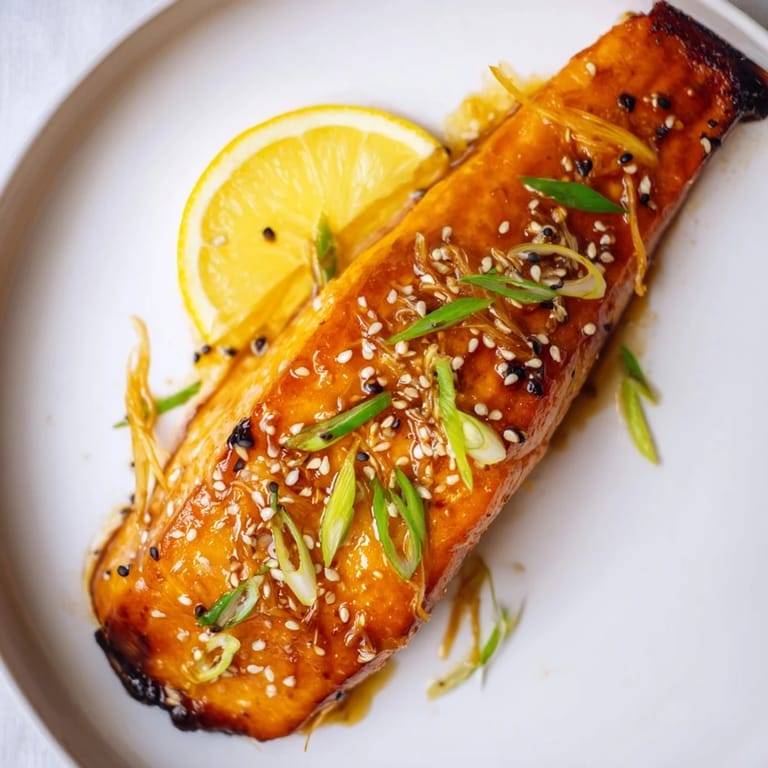
Save I picked up a piece of salmon on a rainy Tuesday with no plan except to use what was already in the pantry. The ginger had been sitting in the crisper for a week, and I had just enough soy sauce left in the bottle. What came together in that skillet surprised me: a glaze so glossy it caught the kitchen light, and a flavor that tasted like I'd been making it for years. It's become my go-to when I want something that feels special without the fuss.
The first time I made this for my sister, she scraped the pan with her fork to get the last of the glaze. She asked if I'd taken a cooking class. I hadn't. I'd just learned to trust the sizzle and let the fish do its thing. Now she texts me every few months asking for the recipe, even though I've sent it to her three times.
Ingredients
- Skin-on salmon fillets: The skin crisps beautifully and protects the flesh from drying out, so don't remove it even if you don't plan to eat it.
- Kosher salt and black pepper: Just enough to wake up the natural flavor of the fish without competing with the glaze.
- Low-sodium soy sauce: Gives the glaze its savory backbone and lets you control the salt level, which matters when it reduces.
- Honey: Adds a gentle sweetness that balances the soy and helps the glaze cling and caramelize.
- Freshly grated ginger: This is where the warmth comes from, use a microplane and grate it fine so it melts into the sauce.
- Garlic, minced: Two cloves is plenty, it softens and sweetens as it cooks into the glaze.
- Rice vinegar: A splash of brightness that keeps the glaze from feeling one-note or too heavy.
- Sesame oil: Just a teaspoon brings a nutty, toasted flavor that ties everything together.
- Toasted sesame seeds and green onions: Optional but worth it, they add texture and a pop of color that makes the plate look alive.
Tired of Takeout? 🥡
Get 10 meals you can make faster than delivery arrives. Seriously.
One email. No spam. Unsubscribe anytime.
Instructions
- Dry and season the salmon:
- Pat each fillet with paper towels until the surface feels tacky, not wet. Season both sides with salt and pepper, letting it sit while you make the glaze so the seasoning soaks in.
- Whisk the glaze:
- Combine soy sauce, honey, ginger, garlic, rice vinegar, and sesame oil in a small bowl. The honey might clump at first, just keep whisking until it dissolves into a smooth, amber liquid.
- Heat the skillet:
- Set a large nonstick or cast iron pan over medium-high heat and let it warm for a full minute. If your pan tends to stick, add a thin slick of neutral oil and swirl it around.
- Sear skin-side down:
- Lay the fillets in the pan skin-side down, pressing gently with a spatula for the first few seconds to keep the skin flat. Let them cook undisturbed for 4 minutes until the skin releases easily and turns golden and crisp.
- Flip and cook:
- Turn the fillets carefully and cook for another 2 to 3 minutes. The flesh should feel firm but still give a little when you press the thickest part.
- Add the glaze:
- Lower the heat to medium-low and pour the glaze evenly over the salmon. Spoon it over the fillets constantly, watching it bubble and thicken into a glossy coat that clings to the fish.
- Finish and serve:
- Pull the pan off the heat as soon as the salmon flakes with gentle pressure and the glaze coats the back of your spoon. Plate each fillet and spoon the extra glaze from the pan over the top, then scatter sesame seeds, green onions, and citrus wedges if you like.
 Save
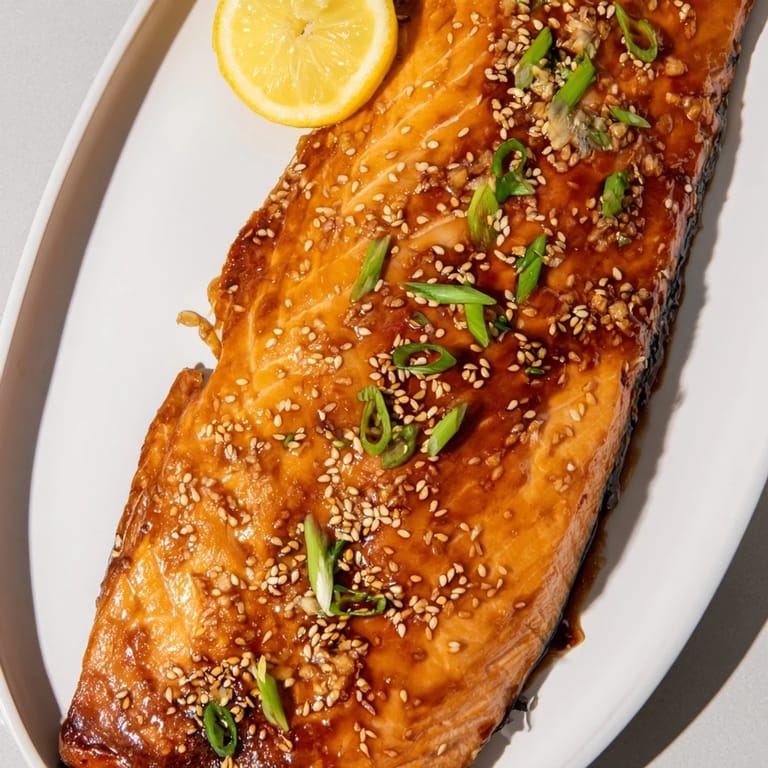
Save I served this once with nothing but white rice and steamed broccoli, and my friend said it was one of the best meals she'd had all month. There's something about the way the glaze pools into the rice that makes every bite feel complete. It reminded me that good food doesn't need to be complicated, it just needs to taste like you cared.
What to Serve It With
This salmon pairs beautifully with anything that can soak up the extra glaze. I like jasmine rice, sautéed bok choy, or roasted asparagus. Sometimes I'll toss together a quick cucumber salad with rice vinegar and sesame seeds to keep things light. If you want more substance, add a scoop of coconut rice or some crispy roasted sweet potatoes on the side.
How to Store and Reheat
Leftover salmon keeps in the fridge for up to two days in an airtight container. Reheat it gently in a skillet over low heat with a splash of water to keep it from drying out, or eat it cold over salad greens. The glaze might stiffen in the fridge, but it loosens right back up with a little warmth. I don't recommend freezing this one, the texture of cooked salmon doesn't hold up well once thawed.
Ways to Make It Your Own
If you like heat, stir in some red chili flakes or a spoonful of chili crisp oil with the glaze. Swap the honey for maple syrup or brown sugar if that's what you have. You can also use this same glaze on chicken thighs, shrimp, or even thick slices of tofu.
- Add a squeeze of lime juice at the end for extra brightness.
- Toss in some thinly sliced bell peppers or snap peas while the glaze reduces.
- Brush leftover glaze on grilled vegetables or drizzle it over noodles.
 Save
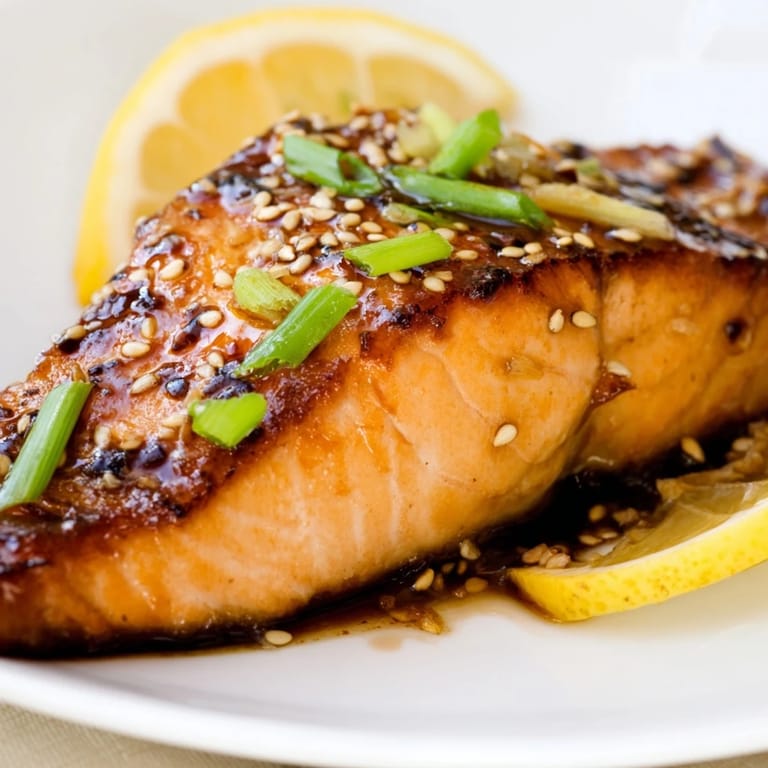
Save This recipe has saved more weeknights than I can count, and it still feels like a treat every time. I hope it becomes one of those dishes you make without thinking, the kind that reminds you how good simple cooking can be.
Recipe FAQ Section
- → What type of pan is best for cooking salmon?
A heavy-bottomed nonstick or cast iron skillet works best to achieve crispy skin and even cooking.
- → How do I prevent the salmon skin from sticking?
Pat the fillets dry and ensure the pan is hot before placing the salmon skin-side down without moving it during the first few minutes.
- → Can I adjust the glaze for spiciness?
Yes, adding red chili flakes to the glaze will give it a subtle spicy kick without overpowering the flavors.
- → What are good side dishes to serve with this salmon?
Steamed rice, sautéed greens, or roasted vegetables complement the flavors and texture nicely.
- → Is there a substitute for honey in the glaze?
Maple syrup or brown sugar can be used as a natural alternative to honey while maintaining sweetness.