 Save
Save There's something about the sound of noodles hitting hot oil that signals dinner is about to get good. My neighbor once poked her head over the fence while I was making these, and the smell of ginger and toasted sesame pulled her right into the kitchen—she ended up staying for a bowl. That's when I realized this dish has this magnetic quality, like it announces itself before you even taste it.
I made this for my sister on a Tuesday night when she showed up exhausted from work, and watching her face light up on that first bite reminded me why simple, honest food matters so much. She asked for the recipe that same evening and has been making it ever since, which feels like the highest compliment a cook can get.
Ingredients
- Wheat noodles (350 g): Lo mein, ramen, or even spaghetti work beautifully here—the key is cooking them just until al dente so they hold the sauce without falling apart.
- Neutral oil (4 tbsp): Canola or grapeseed oil won't overpower the delicate aromatics, and the high heat tolerance keeps everything cooking evenly.
- Scallions (4, plus 1 for garnish): Separate the white and green parts—the whites get fried for that sweet, mellow depth while the greens go in at the end for brightness and snap.
- Fresh ginger (2 tbsp minced): This is your soul ingredient, so don't skimp or use ground ginger; fresh ginger brings that clean, warming bite that makes the whole dish sing.
- Garlic cloves (2, minced): Two is usually enough unless you're a garlic lover like I am, then go ahead and add more—it mellows beautifully when cooked with the ginger.
- Red chili (1 small, optional): If you want heat, include it; if not, the dish is still deeply satisfying and lets the umami shine through.
- Soy sauce (4 tbsp): The backbone of your glaze—use something you'd actually drink, not the cheapest bottle on the shelf.
- Dark soy sauce (1 tbsp, optional): This adds color and a subtle molasses note that deepens the flavor, but regular soy sauce works if that's what you have.
- Oyster sauce (1 tbsp): The umami booster that makes you wonder why it tastes so good; use vegan oyster sauce if you're keeping it plant-based.
- Brown sugar (1 tbsp): Just enough sweetness to balance the salty, tangy elements without making this a dessert.
- Rice vinegar (1 tbsp): The acid that cuts through richness and brightens every flavor, so don't skip it.
- Toasted sesame oil (1 tsp): A tiny amount goes a long way—this is liquid gold for Asian noodle dishes.
- Water (2 tbsp): Helps the glaze coat the noodles evenly and prevents it from becoming too thick.
- Toasted sesame seeds (1 tsp) and cilantro (optional): These garnishes add texture and freshness that make the dish feel complete.
Tired of Takeout? 🥡
Get 10 meals you can make faster than delivery arrives. Seriously.
One email. No spam. Unsubscribe anytime.
Instructions
- Cook the noodles until they're just right:
- Follow the package timing but aim for al dente—you want them with a tiny bit of chew left, not soft. A quick rinse under cold water stops the cooking and keeps them from clumping together.
- Build your glaze:
- Whisk together all the sauce ingredients in a small bowl so everything dissolves smoothly; this prevents lumps or streaks of undissolved sugar in your finished dish.
- Wake up the oil with aromatics:
- Heat your oil over medium heat and add the white scallion parts along with ginger, garlic, and chili if using. You'll smell when it's ready—that fragrant, almost floral aroma—usually about 1 to 2 minutes. Stop before anything browns.
- Bring the noodles and aromatics together:
- Toss the cooked noodles into the skillet with the warm ginger oil so every strand gets coated and absorbs those flavors. This is where the magic starts happening.
- Glaze and toss like you mean it:
- Pour the soy glaze over everything and toss continuously for 2 to 3 minutes until the noodles are evenly coated and the sauce has clung to them. You'll see it go from wet and loose to shiny and clingy.
- Add the fresh scallion greens at the end:
- Once everything is off the heat, scatter the green scallion parts on top and toss gently so they stay bright and crisp rather than wilting into oblivion.
- Plate and celebrate:
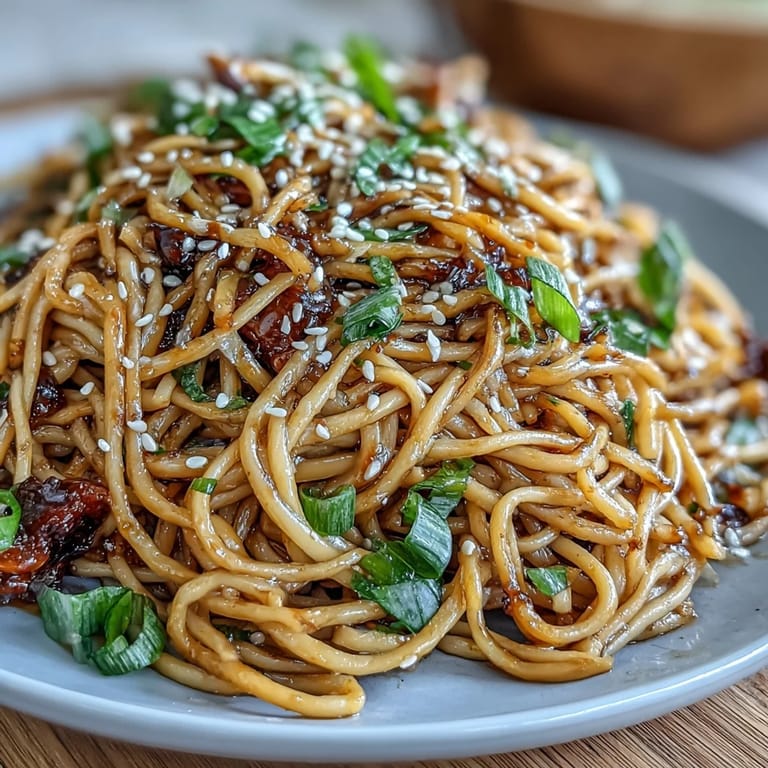
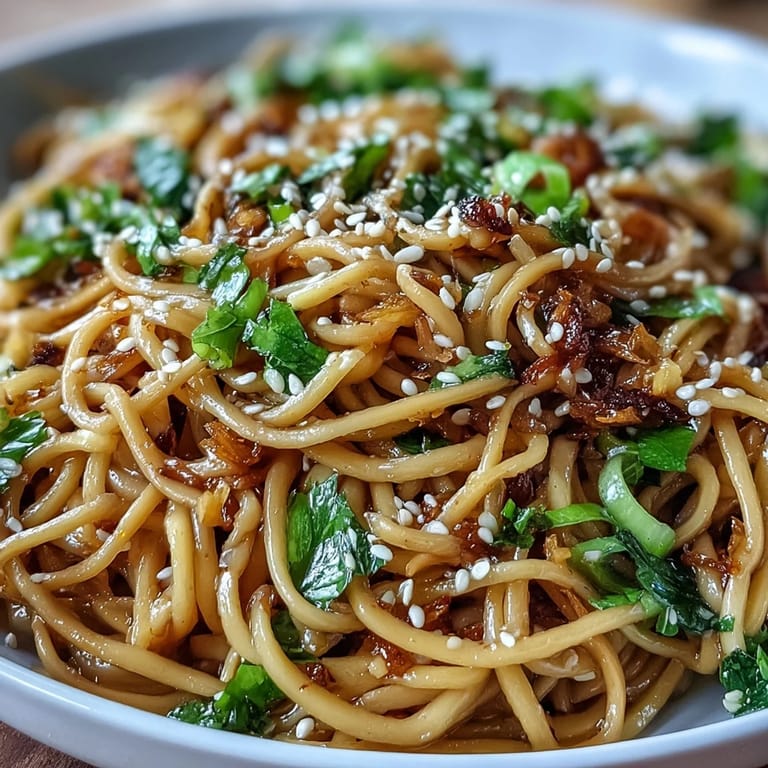
- Serve immediately while everything is still warm, topped with sesame seeds and cilantro. The heat helps release those sesame aromas right when you're about to eat.
 Save
Save My son, who usually refuses anything with visible ginger, tried a forkful out of pure spite and then asked for seconds without saying a word. Sometimes the quiet victories in the kitchen are the sweetest.
The Secret of the Ginger-Scallion Base
What makes this dish sing is that moment when you heat the oil with ginger and scallions—you're essentially making a infused oil that carries flavor into every noodle. It's the technique behind countless Asian dishes, and once you understand it, you can use it for vegetables, rice, or even scrambled eggs. The white parts of the scallions mellow into something almost sweet when cooked, which is why they go in first, while the greens stay raw to give you that contrast and brightness.
Making It Your Own
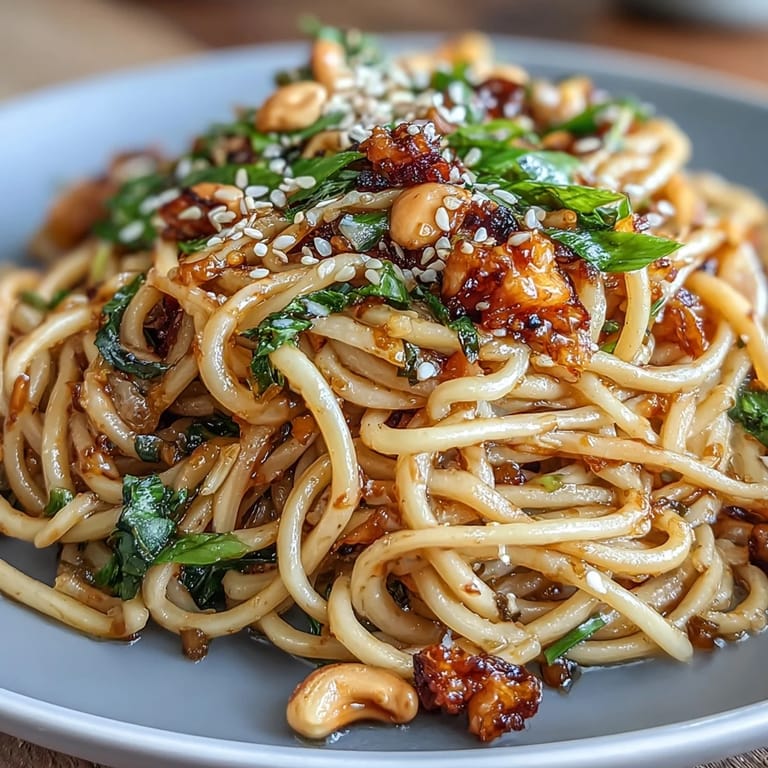
This recipe is a foundation, not a prison. I've added sautéed mushrooms when I had them, shredded carrots for color, bok choy for something leafy, and snap peas for crunch—all of them belong here. The glaze is forgiving enough that vegetables won't throw it off balance, and if anything, they soak up the sauce and become little flavor bombs themselves. One night I even added roasted peanuts on top, and suddenly it felt like a completely different dish.
Heat and Flavor Adjustments
If you're sensitive to heat, skip the chili entirely and the dish remains wonderful. For those who love fire, add the chili or finish with a drizzle of chili oil right before serving. The soy glaze is already rich with umami, so it stands up beautifully to heat without becoming overwhelming. You can also taste the glaze before tossing it with the noodles and add more vinegar if you want brightness, more sugar if you prefer sweetness, or a splash of extra soy sauce if you want deeper savory notes.
- Keep a tiny bowl of extra sesame oil on the table so people can drizzle more if they want that toasted nuttiness amplified.
- Pickled cucumbers or a simple slaw alongside these noodles cuts through the richness and refreshes your palate between bites.
- Leftover noodles keep for two days in the fridge and can be gently reheated in a skillet with a splash of water to loosen them up.
 Save
Save This dish has become my go-to when I want something fast that still feels intentional and delicious. It's proof that simple ingredients in the right proportions, treated with a little care, can turn an ordinary weeknight into something worth remembering.
Recipe FAQ Section
- → What type of noodles works best for this dish?
Wheat noodles like lo mein, ramen, or even spaghetti are ideal for soaking up the soy glaze while maintaining a tender texture.
- → Can I make this dish vegan?
Yes, simply use vegan oyster sauce or substitute it with additional soy sauce to keep the dish completely plant-based.
- → How should I adjust the spice level?
Incorporate or omit the small red chili based on your heat preference. You can also add chili oil for extra spice.
- → What garnishes enhance the flavors?
Toasted sesame seeds, extra scallion greens, and fresh cilantro leaves add crunch, freshness, and an herbal note to complement the rich glaze.
- → Are there suggestions for additional vegetables?
Sautéed mushrooms, shredded carrots, bok choy, or snap peas make excellent additions to boost nutrition and texture.