 Save
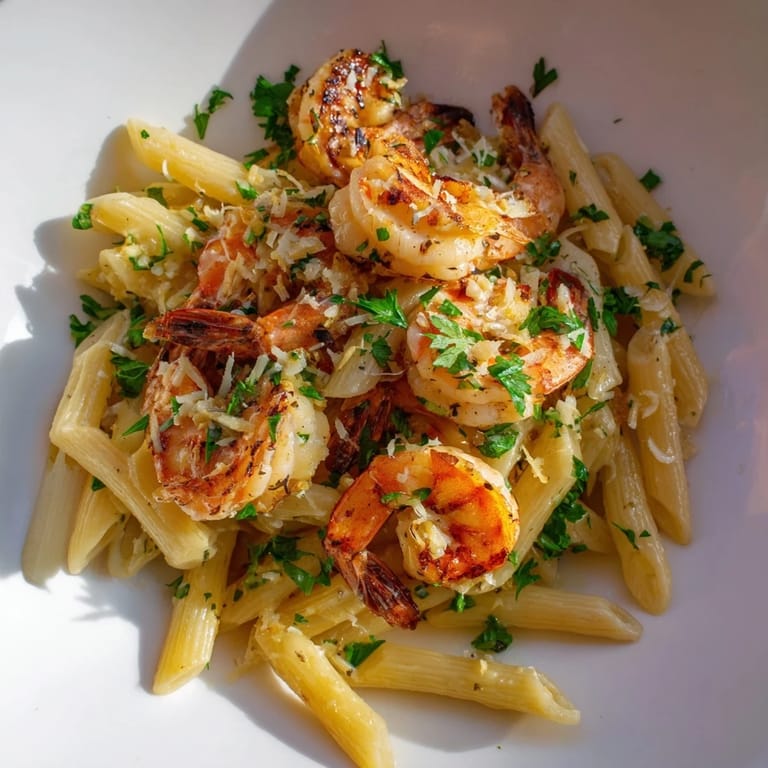
Save There's something about the way garlic sizzles in butter that makes you stop whatever you're doing and pay attention. I discovered this pasta one weeknight when I had about twenty minutes and a craving for something that felt restaurant-quality but didn't require a recipe disaster. The shrimp cooks so quickly that by the time you've drained your pasta, you're already halfway to dinner, and that's when the magic happens—tossing it all together with that golden, garlicky butter coating every strand.
I made this for my partner on an evening when we both admitted we were too tired to think, and somehow it turned into one of those meals that gets remembered—the kind where you're both quiet except for the occasional satisfied hum, and the kitchen smells like a place you'd want to stay.
Ingredients
- Large shrimp, peeled and deveined (400 g / 14 oz): Use the biggest ones you can find—they look impressive on the plate and cook more evenly than smaller ones.
- Penne pasta (350 g / 12 oz): Al dente is non-negotiable here; the pasta finishes cooking slightly in the butter, so pull it from the water just before it feels done.
- Garlic, finely minced (4 cloves): Fresh garlic is essential; it burns easily, so have everything else prepped and ready before it hits the pan.
- Shallot, finely chopped (1 small): Milder and sweeter than onion, it melts into the background and adds subtle depth.
- Fresh parsley, chopped (2 tbsp): Stir in half at the end for brightness, and use the rest as garnish to wake up the dish visually.
- Lemon zest and juice (1 zest, 1 tbsp juice): The acid cuts through the richness and keeps everything feeling fresh instead of heavy.
- Unsalted butter (60 g / 1/4 cup): Divided between cooking the shrimp and building the sauce, it's the quiet star of this dish.
- Grated Parmesan cheese (2 tbsp, plus more for serving): Let it finish melting into the hot pasta for best results, then add more at the table.
- Extra-virgin olive oil (2 tbsp): Use good oil here; it shows in the final flavor.
- Salt, freshly ground black pepper, and red pepper flakes: Season at two points—once before cooking the shrimp, and again after everything's combined so you don't over-salt.
Tired of Takeout? 🥡
Get 10 meals you can make faster than delivery arrives. Seriously.
One email. No spam. Unsubscribe anytime.
Instructions
- Get everything ready:
- Fill a large pot with salted water and bring it to a rolling boil while you mince the garlic, chop the shallot, and zest your lemon. Having everything prepped before you start cooking makes the process feel effortless instead of frantic.
- Cook the pasta to just-barely-done:
- Add the penne and cook until it's tender but still has a slight firmness when you bite it. Scoop out and reserve about a half cup of the starchy pasta water before draining—this liquid is your secret to a silky sauce.
- Dry and season the shrimp:
- Pat each shrimp thoroughly dry with paper towels; any moisture will cause them to steam instead of sear. Sprinkle lightly with salt and a few grinds of pepper.
- Get the shrimp golden and cooked through:
- Heat a large skillet over medium-high heat with a tablespoon each of olive oil and butter. When the butter foams, lay the shrimp in a single layer and resist the urge to move them around—let them sit for a minute, then flip and cook another minute or two until they turn pink and opaque. Transfer to a plate.
- Build the aromatic base:
- In the same skillet, add the remaining oil and butter, then sauté the shallot for about a minute until it softens. Add the minced garlic and cook for just thirty seconds—any longer and it turns bitter, so stay close and watch it closely.
- Wake it up with bright flavors:
- Stir in the lemon zest, lemon juice, and a pinch of red pepper flakes if you like a whisper of heat. The aromatics should bloom immediately, filling your kitchen with a scent that promises something delicious.
- Bring it all together:
- Add the drained pasta to the skillet and toss constantly, using some of that reserved pasta water to create a light, silky sauce that coats every strand. The starch in the water helps bind everything together.
- Add the shrimp and finish:
- Return the shrimp to the skillet along with half the chopped parsley and the Parmesan cheese. Toss gently so you don't break the shrimp, taste, and adjust the seasoning with more salt and pepper as needed.
- Plate and serve:
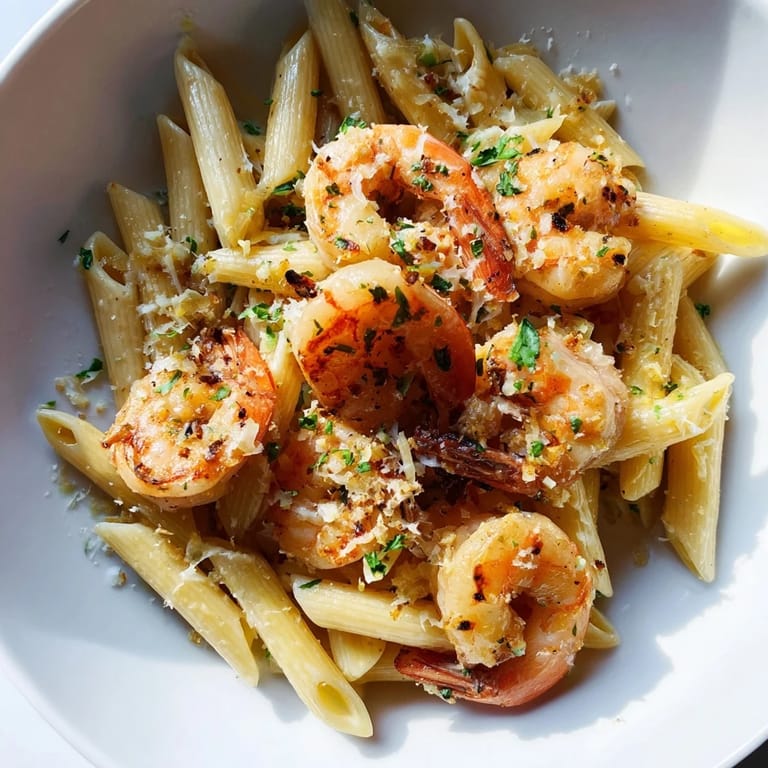
- Divide among bowls while everything's still hot, garnish with the remaining parsley and extra Parmesan, and serve immediately.
 Save
Save What I've come to love most about this dish is how it transforms ordinary Tuesday nights into something that feels intentional and almost celebratory, even when you're too tired to cook anything complicated.
The Magic of Garlic Butter
There's a reason chefs reach for butter and garlic together—they're a partnership that's greater than the sum of its parts. When butter melts around minced garlic, something almost alchemical happens; the garlic loses its harsh edge and becomes sweet and mellow, while the butter carries that flavor to every strand of pasta. I've learned that this transformation only works if you cook the garlic briefly and watch it closely, letting it just barely brown at the edges before you add the next component. That moment of attention, however brief, changes everything about the final dish.
Timing and Temperature Control
The rhythm of this dish depends entirely on staying one step ahead. Start your pasta water first, so it's boiling when you're ready to add the penne. While that's cooking, prep your shrimp and aromatics so nothing catches you off guard when you move to the skillet. Medium-high heat is your friend here—hot enough that the shrimp develops color and the butter foams, but not so violent that the garlic blackens. I've learned to move at the pace the pan sets for me rather than rushing, and everything unfolds smoothly as a result.
Customizing Without Losing the Soul of the Dish
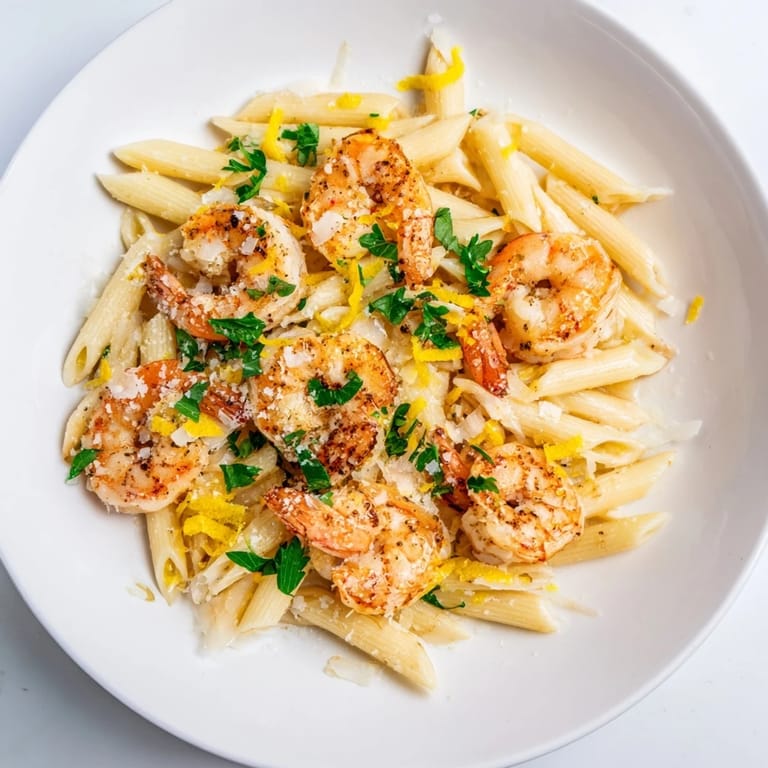
This recipe is flexible enough to bend around what you have, but there's a core that matters. If you'd rather use linguine or spaghetti instead of penne, go ahead—they all catch the sauce beautifully. Some evenings I'll add a splash of cream to the pasta water for a richer sauce, or stir in a handful of fresh spinach at the very end for color and slight earthiness. What you shouldn't skip: the lemon for brightness, the parsley for freshness, and the reserved pasta water for silkiness.
- A squeeze of fresh lemon juice at the table lifts everything if the dish tastes one-note.
- Keep good Parmesan on hand and grate it fresh—the pre-grated stuff has an odd texture in hot pasta.
- If you only have access to frozen shrimp, thaw them completely and pat them extra dry so they cook evenly.
 Save
Save This is the kind of dinner that proves you don't need hours in the kitchen to create something that feels special. Serve it with a crisp white wine, a side salad if you want, and the knowledge that you've just made something that tastes like care.
Recipe FAQ Section
- → How do I prevent shrimp from overcooking?
Cook shrimp just until they turn pink and opaque, usually 1-2 minutes per side, to maintain a tender texture.
- → Can I use other pasta types instead of penne?
Yes, linguine or spaghetti work well as alternatives and absorb the garlic butter sauce nicely.
- → Is it necessary to reserve pasta water?
Reserving some pasta water helps create a silky sauce that coats the pasta evenly.
- → What can I substitute for Parmesan cheese?
Pecorino Romano or Grana Padano offer similar sharpness if Parmesan isn’t available.
- → How can I make the sauce richer?
Add a splash of cream along with the reserved pasta water to enhance the sauce's creaminess.