 Save
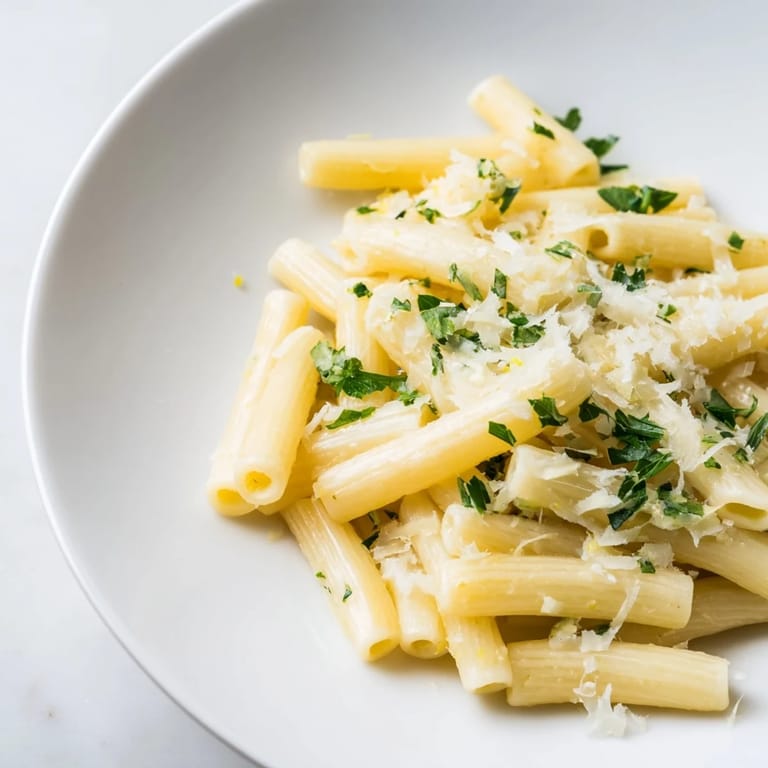
Save There's something almost magical about the way butter and garlic transform into pure comfort in less than fifteen minutes. I discovered this dish on a Tuesday night when my roommate showed up unannounced with wine and appetite, and I had exactly what was in my pantry to work with. The pasta absorbed that silky sauce like it was made for each other, and we ended up eating in silence for a moment—the kind where you don't need words.
I made this for my partner after they'd had the worst day at work, and watching their shoulders relax as they twirled the fork said everything. Something about cream and garlic has this quiet power to reset the mood in a kitchen, even when everything else feels chaotic.
Ingredients
- Ditalini pasta (300 g): These tiny tubes are the secret—they trap the sauce inside, so every bite is intentional and loaded with flavor.
- Unsalted butter (4 tablespoons): Don't skimp here; this is literally the foundation of your sauce, so use real butter you actually enjoy.
- Garlic (4 cloves, minced): Mince it fine so it melts into the butter rather than sitting there like chunks; this is where your knife work matters.
- Heavy cream (120 ml): The richness that makes this feel like a restaurant dish, but the pasta water keeps it from becoming heavy.
- Parmesan cheese (50 g, freshly grated): Fresh is non-negotiable—pre-grated cheese has cellulose and won't emulsify the same way.
- Black pepper and salt: Season as you go, not at the end; you'll taste the difference immediately.
- Fresh parsley and lemon zest (optional but recommended): These finish the dish with brightness that makes people wonder what your secret is.
Tired of Takeout? 🥡
Get 10 meals you can make faster than delivery arrives. Seriously.
One email. No spam. Unsubscribe anytime.
Instructions
- Set everything up first:
- Fill a large pot with water, salt it generously so it tastes like the sea, and get it boiling while you mince your garlic. You want the water already rolling when the pasta goes in.
- Cook the ditalini:
- Stir the pasta a few times in the first minute so nothing sticks to itself, then let it do its thing for about eight minutes. It should have a tiny bit of resistance when you bite it—that's al dente, and it matters because the pasta will keep cooking slightly in the cream sauce.
- Reserve your liquid gold:
- Before draining, scoop out a quarter cup of that starchy water and set it aside. This is what transforms the sauce from heavy cream into something silky that coats the pasta evenly.
- Melt butter and perfume it with garlic:
- In your skillet over medium heat, let the butter melt and foam gently, then add your minced garlic. Give it just a minute or two—you want it fragrant and soft, not golden or crispy, which would mean it's starting to bitter.
- Build the sauce carefully:
- Pour in the cream and that reserved pasta water, and let it heat through gently without boiling hard. This is where you slow down and listen for a quiet simmer, not aggressive bubbles.
- Combine and coat:
- Add the drained pasta to the skillet and toss it constantly so the sauce wraps around each piece. If it looks too thick, splash in a bit more pasta water—the sauce should move, not cling.
- Finish with precision:
- Scatter the Parmesan over the top while stirring, add your pepper and salt, and taste before you call it done. This is the moment to add parsley and lemon zest if you're using them, then serve immediately because this dish doesn't improve sitting around.
 Save
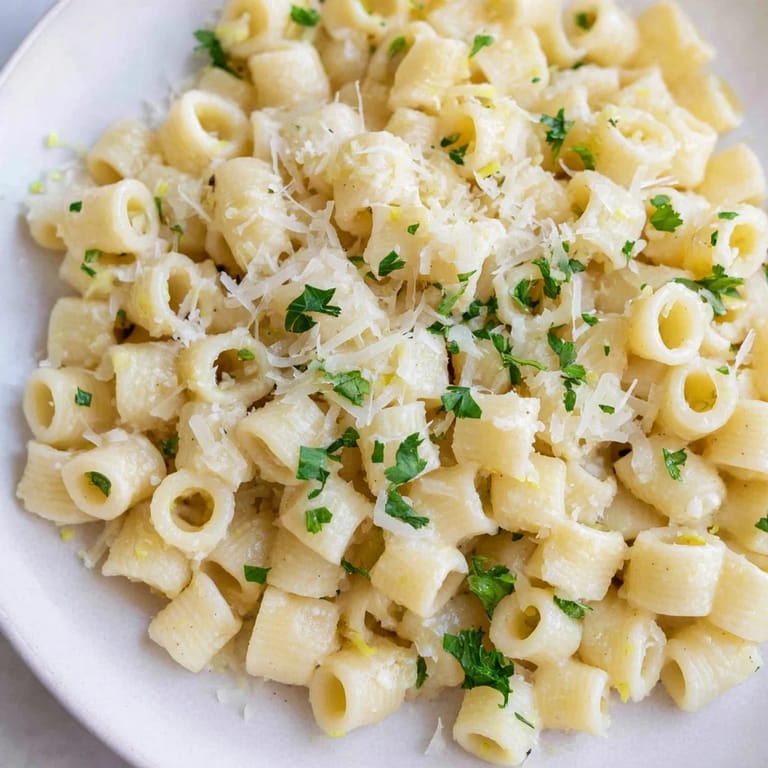
Save My neighbor tasted this over the fence one evening and asked for the recipe immediately, then came back a week later saying she'd made it three times already. That moment made me realize that the best dishes aren't the complicated ones—they're the ones that make people feel capable of cooking something delicious.
The Beauty of Simplicity
When you strip away fancy techniques and special equipment, you're left with just the core elements of flavor: butter, garlic, and cream. There's an honesty in that simplicity that actually teaches you something about cooking. You start noticing details you might miss in busier recipes—the exact moment garlic goes from raw to mellow, how pasta water changes everything, why constant stirring matters. This dish won't hide mistakes under layers of complexity, but that's also what makes it so rewarding when it comes together perfectly.
Timing and Rhythm
The fifteen-minute timeline isn't a rushed promise—it's actually a gentle rhythm once you understand the flow. Start your water boiling while you're still reading the recipe, mince your garlic while the pasta is cooking, and get your cream and Parmesan ready before you drain anything. There's a satisfying choreography to it that means by the time one element finishes, you're ready for the next. I've learned that this kind of meal is almost meditative when you're not scrambling; there's time to think and taste as you go.
Variations That Work
The base of this dish is so solid that you can play with it without breaking anything. Some evenings I add a splash more cream for deeper richness, other nights I stir in fresh spinach or a handful of crispy pancetta if I'm feeling it. The structure stays the same—butter, garlic, cream, pasta—so your variations just build on that foundation.
- For heat, red pepper flakes added to the butter at the very beginning give you warmth throughout.
- A spoonful of mascarpone stirred in at the end adds a subtle tang that brightens everything.
- Lemon zest isn't optional if you're serving this to someone whose opinion matters to you.
 Save
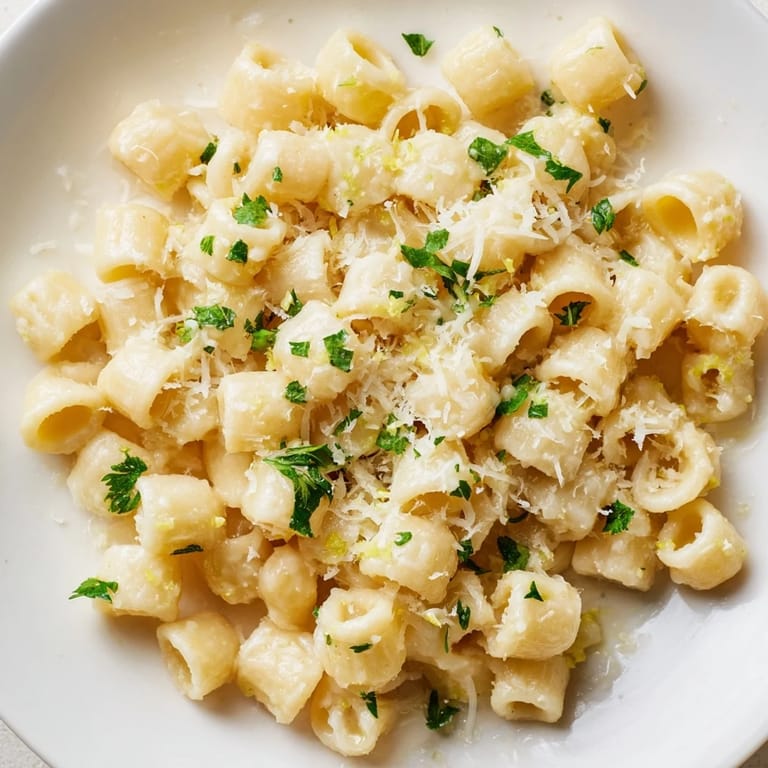
Save This recipe lives in that perfect space where you can make it on the hardest day of the week and still feel like you've done something right. That's worth keeping around.
Recipe FAQ Section
- → What type of pasta is best for this dish?
Ditalini pasta is ideal due to its small shape which holds the creamy sauce well, but small tubular pasta like elbow macaroni can also work.
- → How can I prevent the sauce from becoming too thick?
If the sauce thickens too much, add reserved pasta water gradually to loosen it and maintain a smooth texture.
- → Can I add extra flavor to the sauce?
Yes, adding red pepper flakes brings gentle heat, while fresh herbs like parsley brighten the dish without overpowering the creamy base.
- → What cheese is used to finish this dish?
Freshly grated Parmesan cheese adds depth and a savory finish, melting into the sauce for a rich taste.
- → How should leftovers be stored and reheated?
Store leftovers in an airtight container in the fridge up to two days. Reheat gently with a splash of milk or cream to restore creaminess.