 Save
Save I first encountered the concept of the Ouroboros Circle at a gallery opening in the city, where a caterer had arranged an appetizer platter in a perfect ring that seemed to mesmerize guests as much as the art on the walls. There was something hypnotic about the way it looked—ingredients spiraling around themselves, creating this visual story that felt almost mythical. I went home that night determined to recreate it, and after a few attempts in my own kitchen, I realized that sometimes the most memorable dishes are the ones that make people pause before they eat, just to admire them.
The first time I made this for a dinner party, my friend Sarah arrived early and watched me arrange the last few grape clusters. She said something I'll never forget: "It's too beautiful to eat." Of course, we ate it anyway, but there was this magical moment where everyone gathered around the board, and instead of diving in immediately, they all just... looked. That's when I knew this platter was about more than feeding people—it was about creating a moment.
Ingredients
- Brie, sliced (100 g): The creamy anchor of this platter. Slice it just before assembling so it doesn't dry out, and arrange the slices so they catch the light beautifully.
- Aged cheddar, cubed (100 g): Choose a really good one—something sharp and complex that contrasts with the brie's softness. The cubes stay firm and add textural interest.
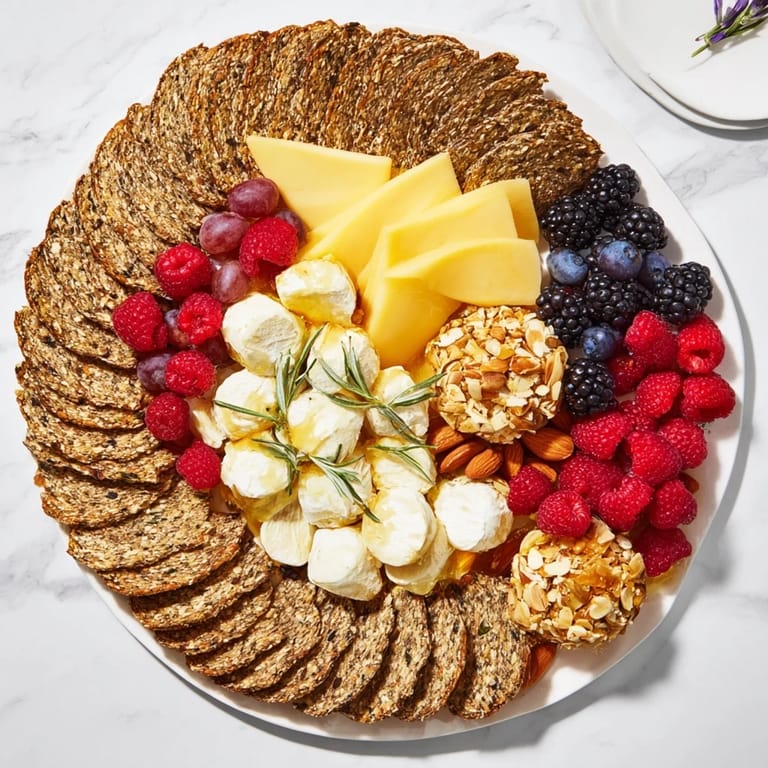
- Goat cheese, rolled into small balls (80 g): These are your jewels. Roll them gently and chill them slightly before arranging so they hold their shape. The tang balances everything else.
- Prosciutto, thinly sliced (80 g): If you're including meat, this is the choice. It drapes beautifully and adds a savory, delicate note. Ask your butcher to slice it paper-thin.
- Salami, folded (80 g): The sturdier option if you prefer. Fold the slices loosely so they look layered and interesting rather than flat.
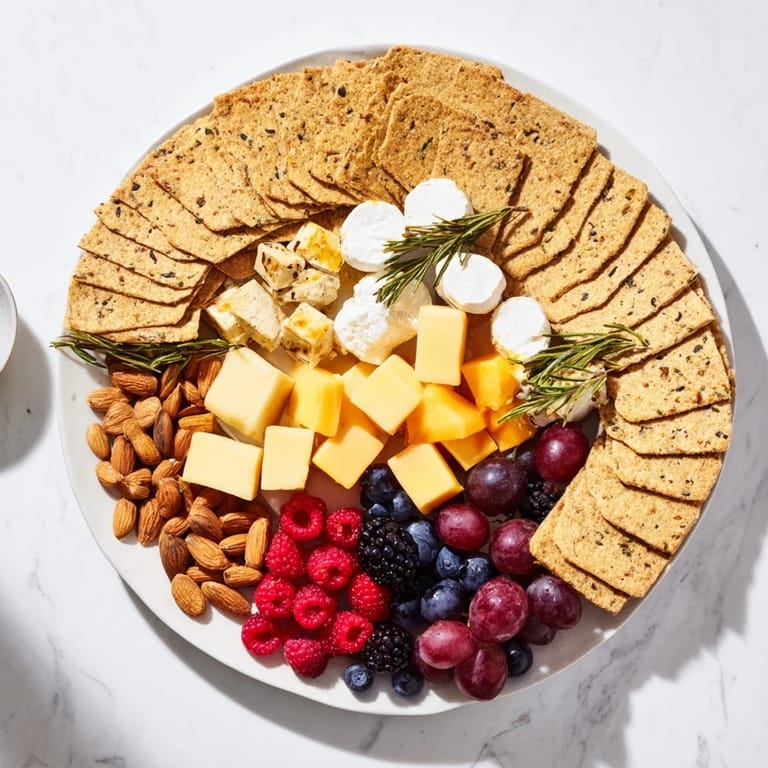
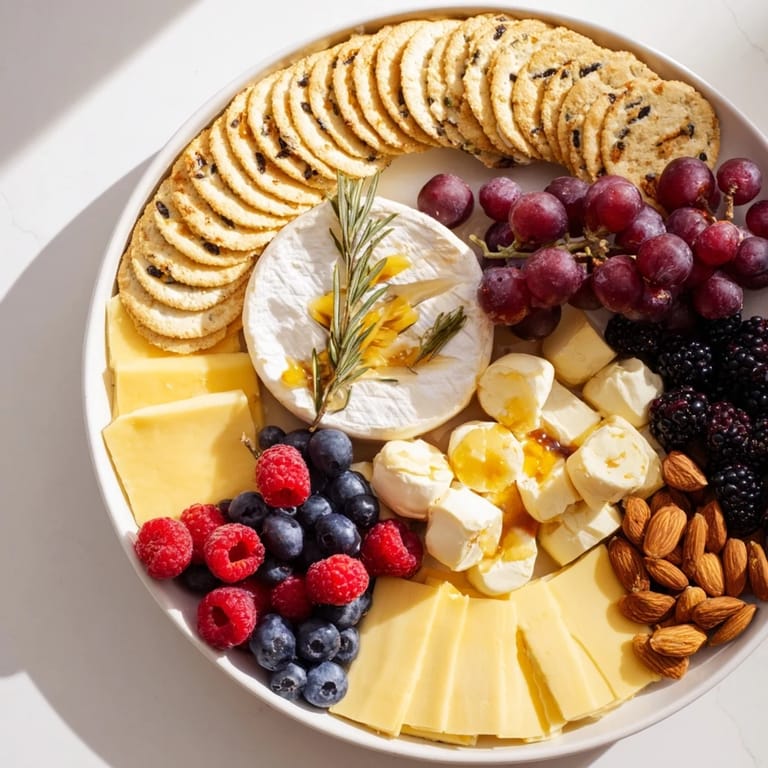
- Artisanal crackers, fanned: This is your canvas head. Choose something with character—seeded, whole grain, or delicate water crackers all work. Fan them generously so they're the focal point.
- Baguette slices (6 small): Slice them just thick enough to hold toppings but thin enough to eat in one bite. Toasted lightly the morning of assembly keeps them from going soft.
- Red grapes in small clusters (1 cup): These form the tail, so keep them in natural clusters rather than individual grapes. The way they reflect light is part of the magic.
- Mixed berries (1 cup): Blueberries, raspberries, blackberries—these fill the gaps and add pops of color. Keep them separate from wet items until the last moment.
- Fig, sliced (optional): This is pure visual poetry if you can find ripe figs. The deep purple-red insides are stunning against the other ingredients.
- Roasted almonds (1/3 cup): The everyday nut that grounds the platter in comfort and provides gentle crunch.
- Marcona almonds (1/3 cup): Buttery and luxurious. These feel special and look different from regular almonds, which adds sophistication to the arrangement.
- Honey (2 tbsp): Drizzle this over the goat cheese balls—it creates a sheen that catches light and adds sweetness to balance the salty elements.
- Fresh rosemary sprigs (1 tbsp): A light scatter of this fragrant herb not only looks beautiful but signals to your guests that care went into every detail.
Tired of Takeout? 🥡
Get 10 meals you can make faster than delivery arrives. Seriously.
One email. No spam. Unsubscribe anytime.
Instructions
- Choose Your Canvas:
- Find a large round platter or wooden board—something at least 14-16 inches across. The circular shape is essential to the whole concept, so take a moment to select something that feels special. I use a wooden board I found at a flea market, and its imperfections actually make the arrangement feel more authentic.
- Create the Head:
- Start by fanning your artisanal crackers at one point on the circle, like a peacock's tail opening. Overlap them generously and angle them slightly outward. This is your anchor point, your visual beginning, so spend a moment getting it right. The crackers should look intentional, almost architectural.
- Build the Ring:
- Moving clockwise around the platter, begin alternating your cheeses and meats in sections. Not every ingredient needs to touch every other one—think of the platter as having distinct neighborhoods. Brie slices here, then a section of prosciutto, then aged cheddar cubes. Leave small gaps as you go; you'll fill these later, and they create rhythm in the design.
- Weave in the Bread:
- Arrange your baguette slices along the curve, filling gaps and creating continuity. Place them so they lean slightly inward toward the center of the ring—this subtle angle helps guide the eye around the circle.
- Crown with the Tail:
- Directly opposite your cracker head, arrange the grape clusters. Keep them in their natural groupings so they look abundant and lush. This is your platter's conclusion, where the circle wants to close.
- Fill the Negative Space:
- Now comes the meditative part. Distribute mixed berries, nuts, and fig slices into the gaps you've left. Don't overthink this—you're looking for visual balance and color distribution. Imagine you're painting, and every element needs to feel like it earned its place.
- The Finishing Drizzle:
- Warm honey very gently so it becomes pourable but not hot. Drizzle it over the goat cheese balls with a light hand—you want shimmer, not pools. Scatter fresh rosemary sprigs over the cheese and honey so they nestle naturally.
- Complete the Circle:
- Step back and look at your work. The cracker head and grape tail should almost touch, creating that unbroken ring. If there are gaps that feel empty, add another nut or berry. You're not filling empty space—you're creating intentional composition.
- Serve with Intention:
- Bring this to the table and let it sit for a moment before inviting people to break the circle. Hand out small plates and cheese knives. There's something meaningful about the moment when the first person decides where to start eating and breaks the ring. It's the beginning of the meal, but it feels like an ending too.
 Save
Save My grandmother once told me that food was meant to be a conversation, and the Ouroboros Circle taught me what she meant. At a potluck dinner, I watched a shy teenager spend ten minutes just looking at this platter before taking anything. When she finally grabbed a cracker with brie and a grape, she smiled—not because the food was extraordinary, but because she felt welcomed by something beautiful. That's when I understood that this isn't just an appetizer; it's an invitation to slow down and notice.
The Philosophy of Circular Eating
There's something deeply satisfying about the circular shape on a psychological level. It feels complete, infinite, and less hierarchical than a linear arrangement. Every person approaching this platter feels like they're entering at their own chosen point rather than starting at an obligatory beginning. This freedom changes how people experience the food—they're more playful, more curious, more willing to try combinations they might normally skip. I've noticed that conversations happen more naturally around a round platter than a rectangular one, as if the shape itself facilitates connection.
Seasonal Variations That Feel Natural
One of the gifts of this platter is its adaptability. In spring, I swap the mixed berries for fresh strawberries and add edible flowers like pansies or violets for delicate color. Summer demands more grapes, perhaps white ones mixed with red, and ripe stone fruits sliced thin. Autumn is all about dried apricots, candied pecans, and maybe a wheel of aged gouda. Winter lets you play with persimmons, pomegranate seeds, and candied citrus peel. The structure stays the same, but the personality changes with the season, which means you can make this platter dozens of times and never repeat yourself.
Pairing, Presentation, and the Art of Breaking Bread Together
Serve this alongside a crisp white wine like Sauvignon Blanc, or if you're feeling celebratory, a sparkling rosé that catches the light almost as beautifully as your platter. I've found that people eat more intentionally, more slowly, when food and drink are this thoughtfully presented. There's also something worth noting about the ritual of breaking the circle—encourage your guests not to reach for the nearest item, but to walk around and choose with intention. Let them start wherever feels right to them. That small permission creates permission for the whole evening to unfold more naturally.
- Have small plates ready and positioned around the platter so people can serve themselves without reaching across each other
- If you're serving this as part of a larger menu, place it on the table before guests sit so it can be a conversation starter while everyone settles
- A single serving spoon or small tongs beside the grapes and berries prevents people from using their fingers on shared items
 Save
Save The Ouroboros Circle taught me that presentation is a form of generosity—it says to your guests that they're worth the extra five minutes of thoughtful arrangement. Every time I make this, it reminds me that the most elegant meals are often the simplest ones, and the most memorable moments happen when we decide to make something beautiful just because we can.
Recipe FAQ Section
- → What cheeses work best for the platter?
Soft cheeses like brie and goat cheese provide creaminess, while aged cheddar adds a sharp contrast and firm texture.
- → Can the platter be made vegan?
Yes, by substituting dairy cheeses with plant-based alternatives and omitting meats, you can create a vegan-friendly version.
- → How can I keep the arrangement fresh?
Assemble the platter just before serving and store any precut ingredients refrigerated until use to maintain freshness.
- → What fruits complement this dish?
Fresh grapes, mixed berries, and sliced figs add color and subtle sweetness, balancing the savory elements.
- → Are there suggested pairings for drinks?
Sauvignon Blanc or sparkling rosé pair well, enhancing the flavors without overpowering the ingredients.
- → How to customize the circle for dietary restrictions?
Adjust nuts, fruits, and cheese types according to preferences or allergies, and omit meats as needed for vegetarian options.