 Save
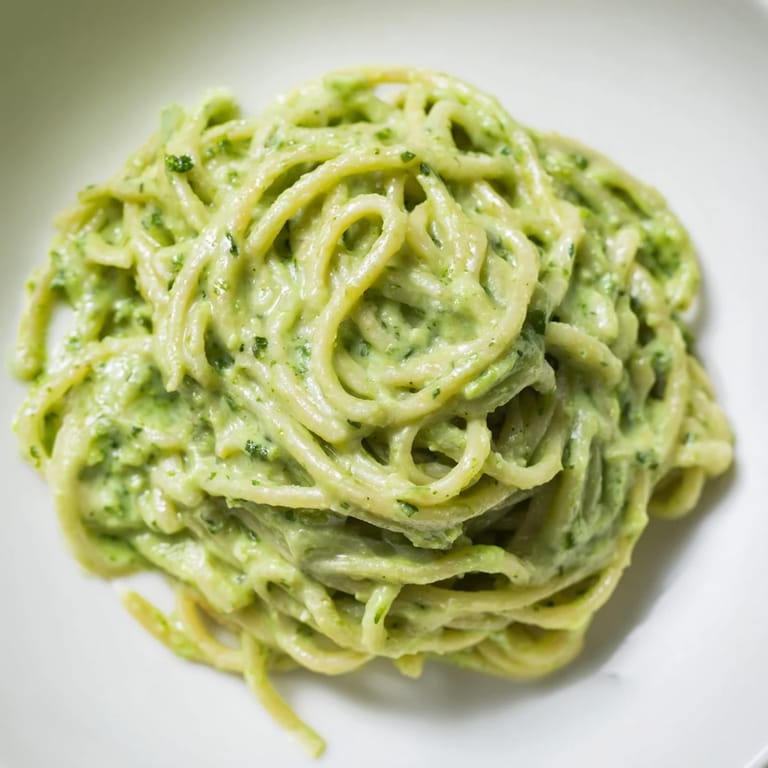
Save There's something about green that makes you feel instantly healthier, even before you take the first bite. I discovered this sauce completely by accident one spring afternoon when I had a fridge full of herbs that were about to turn soft and a sudden craving for pasta. What started as a desperate cleanup mission turned into something I now make whenever I want to feel like I'm eating something both indulgent and genuinely good for me.
My neighbor came over unannounced one evening as I was tossing this together, and the smell of fresh basil and lemon stopped her in her tracks. She stayed for dinner, and I watched her expression shift from curiosity to genuine delight as she twirled her fork through the green sauce coating the pasta. That's when I realized this wasn't just a quick sauce, it was the kind of thing that makes people linger at the table a little longer.
Ingredients
- Baby spinach (2 cups): Use fresh and packed loosely, as it wilts down when blended and adds earthiness without heaviness.
- Green cabbage (1 cup chopped): The secret ingredient that gives the sauce body and a subtle sweetness that balances the herbs.
- Fresh parsley (1/2 cup): Go for the flat-leaf kind if you can find it, the flavor is brighter and more forgiving.
- Fresh basil (1/2 cup): Add this at the very end of prep to prevent bruising, which darkens the sauce and mutes the flavor.
- Fresh chives (1/4 cup): They add a delicate onion note without the bite, making the sauce feel sophisticated.
- Fresh tarragon (1/4 cup optional): If you have access to it, this is the herb that elevates the whole thing, but don't hunt for it if you can't find it easily.
- Garlic (2 cloves): Raw garlic is sharp here, so mince it finely and don't overdo it or you'll overpower the delicate herbs.
- Green onions (2, chopped): Use both the white and green parts for a milder onion flavor than regular scallions.
- Avocado (1 small): This is what makes the sauce naturally creamy without needing heavy cream, but it must be ripe and used immediately to prevent browning.
- Greek yogurt or sour cream (1/2 cup): Greek yogurt adds tanginess and keeps things lighter, sour cream makes it richer.
- Mayonnaise (1/4 cup): This binds everything and adds a subtle richness that somehow makes the greens taste fresher.
- Parmesan cheese (1/4 cup grated): Adds umami depth, but don't use pre-shredded if you can avoid it.
- Lemon juice (2 tablespoons fresh): This is non-negotiable, bottled juice won't give you the same brightness that keeps the sauce from tasting heavy.
- White wine vinegar (1 teaspoon): A small splash that somehow makes every other flavor sing without announcing itself.
- Olive oil (1/4 cup): Use something you wouldn't cringe about drizzling on bread, because you'll taste it.
- Salt and black pepper: Start conservative and taste as you go, the cheese and avocado already bring saltiness.
- Dried pasta (12 oz): Thin shapes like linguine or spaghetti cling to this delicate sauce better than thick tubes.
Tired of Takeout? 🥡
Get 10 meals you can make faster than delivery arrives. Seriously.
One email. No spam. Unsubscribe anytime.
Instructions
- Get Your Water Ready:
- Fill a large pot with salted water and bring it to a rolling boil. The water should taste like the sea, this is your only seasoning for the pasta itself.
- Cook the Pasta:
- Drop the pasta in and stir immediately so nothing sticks. Cook according to package directions but pull it out a minute early if you can, the residual heat and sauce will finish the cooking.
- Gather Your Greens:
- While the pasta cooks, roughly chop everything and gather it near your blender, because you want to blend it all while everything is at its freshest.
- Build the Sauce:
- Add spinach, cabbage, parsley, basil, chives, tarragon, garlic, green onions, and avocado first, then the yogurt, mayo, Parmesan, lemon juice, vinegar, and olive oil on top. This layering isn't magic, but it does help the blender work through the greens more smoothly.
- Blend Until Silky:
- Pulse a few times, then blend steadily until you have something that looks like pesto had a baby with hollandaise. If it's too thick, add your reserved pasta water one tablespoon at a time while blending.
- Taste and Adjust:
- This is the moment you become the chef, tasting as you go and knowing that a squeeze of lemon or pinch of salt completely changes the game.
- Bring It All Together:
- Add the hot pasta directly to the sauce and toss gently but thoroughly, the heat helps the sauce coat everything evenly without breaking.
- Serve Right Away:
- This sauce is best served immediately while the pasta is still warm, garnish with extra herbs if you're feeling fancy.
 Save
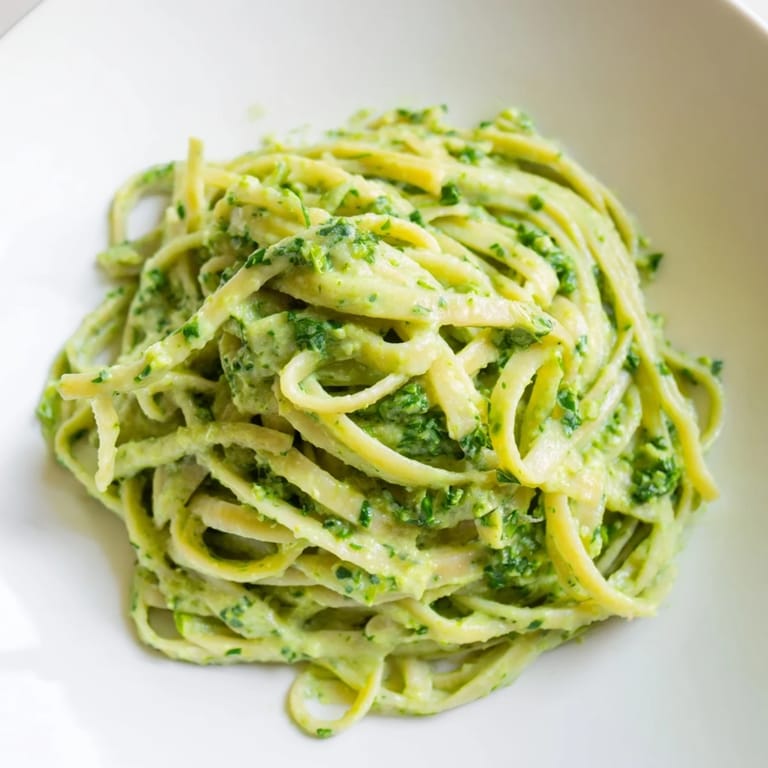
Save What surprised me most about this sauce is how it changed my relationship with herbs. I used to think of them as garnish, something to sprinkle on top at the end, but this recipe made me see them as the main event. Now when I pass the farmers market herb stand, I stop and think about what I could build around them instead of what I could add them to.
Why This Tastes Like Spring
There's a moment in spring when everything suddenly grows at once and you're overwhelmed with fresh greens. This sauce is what I make when I want to capture that feeling and keep it on a plate. The brightness comes not from any single herb, but from the combination of flavors all talking to each other at once, like a conversation between friends who all showed up with something good to share.
Customizing For Your Taste
I've made this sauce maybe thirty times now, and I've never made it the same way twice. Some versions lean herby and bright, others get a handful of toasted walnuts for texture and richness. The beauty is that it's forgiving enough to handle your experiments but structured enough that it never falls apart.
Beyond the Bowl
This sauce doesn't have to stay on pasta. I've spread it on sandwiches, used it as a dip for vegetables, spooned it over grilled fish, and even stirred a dollop into soup for an instant flavor upgrade. Once you understand what it is, you start seeing it everywhere you could use it.
- For a vegan version, swap the Greek yogurt for cashew cream and use vegan mayo, it will be just as silky.
- Add toasted pine nuts or walnuts for texture and deeper flavor, about 1/4 cup tossed in at the end.
- Keep some extra sauce in the fridge for emergency flavor, it keeps for 3 days and transforms anything boring into something worth remembering.
 Save
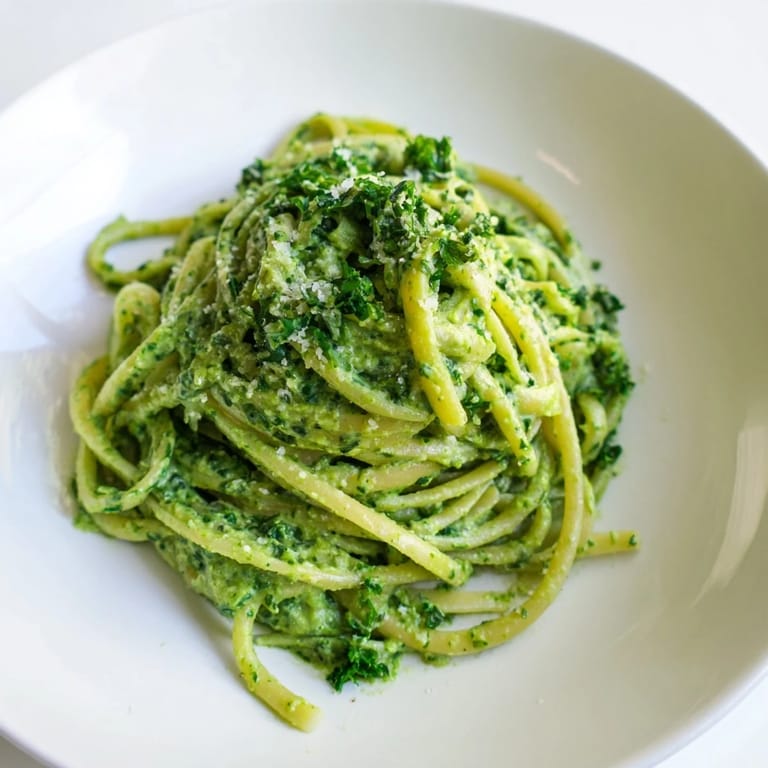
Save This sauce came into my life as a solution to a problem, but it stayed because it reminded me that the best meals often happen when you stop overthinking and just cook with what's in front of you. Make it, share it, and then make it your own.
Recipe FAQ Section
- → What herbs are used in the green goddess sauce?
The sauce features basil, parsley, chives, tarragon, and baby spinach, creating a fresh, herbaceous profile.
- → Can I make this sauce vegan?
Yes, substitute plant-based yogurt and vegan mayonnaise, and omit the Parmesan or use a vegan alternative.
- → How do I adjust the sauce consistency?
Add reserved pasta water gradually while blending to achieve a smooth, pourable texture.
- → What pasta types work best with this sauce?
This sauce pairs well with linguine, spaghetti, penne, or any long or tubular pasta.
- → Can this sauce be served cold?
Yes, it can be enjoyed warm or as a chilled pasta salad, making it versatile for different occasions.
- → What additions enhance the flavor of the sauce?
Toasted nuts like walnuts or pine nuts provide richness and texture when added.