 Save
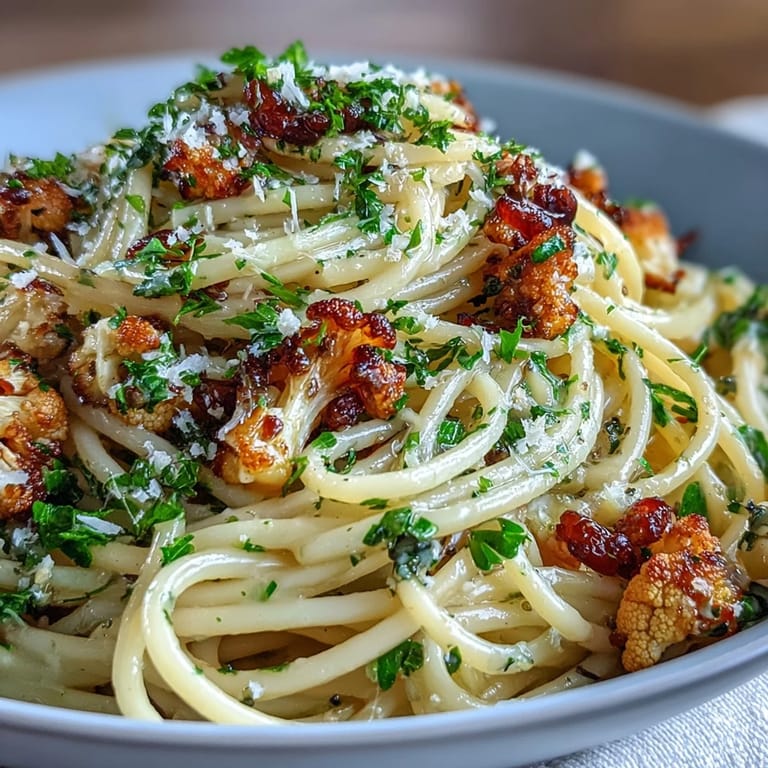
Save I discovered this dish by accident when my refrigerator held nothing but cauliflower, a tin of anchovies, and some raisins I'd forgotten about. What emerged from that unlikely combination was surprisingly complex—sweet, salty, umami-rich, and somehow exactly what I needed that evening. The pasta didn't feel like a compromise but rather a canvas for flavors that shouldn't work together but absolutely do.
I made this for a friend who claimed to hate anchovies, and she went back for seconds without realizing what made it taste so good. When I finally told her, she laughed and said the anchovies weren't assertive enough to offend—they just melted into everything else, adding that invisible depth that makes people wonder what your secret ingredient is.
Ingredients
- Whole wheat spaghetti (320 g): Use the kind that still has some texture to it; the bran holds onto the sauce better than refined pasta and adds a slightly nutty flavor that plays beautifully with the umami.
- Cauliflower (1 medium head, cut into small florets): Cut them smaller than you think you need to—they roast faster and get more of those caramelized, golden edges that make this dish sing.
- Anchovies (6 fillets, drained and chopped): Don't be shy; they dissolve into the oil and become the foundation of the whole dish rather than tasting fishy.
- Raisins (40 g): The sweet counterpoint that keeps everything from tasting one-note; they plump up slightly as they cook and become little pockets of concentrated sweetness.
- Garlic (2 cloves, thinly sliced): Slice it thin so it cooks evenly and doesn't overpower; thick chunks can turn bitter before the anchovies are ready.
- Red chili (1 small, finely chopped, optional): A whisper of heat balances the sweetness and makes all the other flavors pop without announcing itself.
- Capers (1 tbsp, rinsed and chopped): The briny, funky element that makes you wonder what's happening in your mouth in the best possible way.
- Lemon zest (from 1 lemon): Added at the very end so it stays bright; this is your secret weapon for cutting through richness and pulling all the flavors into focus.
- Extra virgin olive oil (2 tbsp total): Use a good one you actually enjoy eating; it's not hidden under cream sauce, so it matters more than you'd think.
- Flat-leaf parsley (2 tbsp, chopped): A final flourish of freshness that's honestly necessary; it keeps the whole dish from feeling heavy.
- Salt and freshly ground black pepper: Taste as you go; the anchovies and capers are already salty, so you might need less than usual.
Tired of Takeout? 🥡
Get 10 meals you can make faster than delivery arrives. Seriously.
One email. No spam. Unsubscribe anytime.
Instructions
- Roast the cauliflower:
- Heat your oven to 220°C and toss those florets with just 1 tablespoon of oil, salt, and pepper. Spread them out on a baking sheet so they're not crowded—they need space to get golden and crispy rather than steaming themselves pale. Roast for 18 to 20 minutes, turning once halfway through, until the edges are deep brown and the florets feel tender when you poke them.
- Start the pasta water:
- While the cauliflower roasts, get a large pot of salted water boiling—it should taste like the sea. Drop in your spaghetti and cook according to the package, but start tasting a minute or two early; you want it just shy of soft, with a tiny bite still left in the center.
- Build the sauce base:
- Drain your pasta but pour that starchy cooking water into a separate container first—you'll need it. In a large skillet over medium heat, add the remaining tablespoon of oil and let it warm for a few seconds. Add your sliced garlic and finely chopped chili, stirring for about a minute until the kitchen smells incredible and the garlic turns golden at the edges.
- Melt in the anchovies:
- Add those chopped anchovies and capers to the warm oil, stirring constantly for just a minute or two. Watch them transform—they'll soften and practically dissolve into the oil, creating this fragrant, umami-rich base that barely hints at fish.
- Bring it together:
- Stir in the raisins and add your roasted cauliflower, tossing gently so nothing breaks. Pour in the drained pasta and add a splash of that reserved pasta water—maybe a quarter cup to start. Keep tossing and adding more water if needed until everything is coated in a glossy, light sauce that doesn't pool at the bottom.
- Finish with brightness:
- Pull the skillet off the heat and scatter the lemon zest and fresh parsley across the top. Toss everything one more time, taste for salt and pepper—remembering those anchovies already brought salt—and serve immediately while it's still warm and the parsley is still vibrant.
 Save
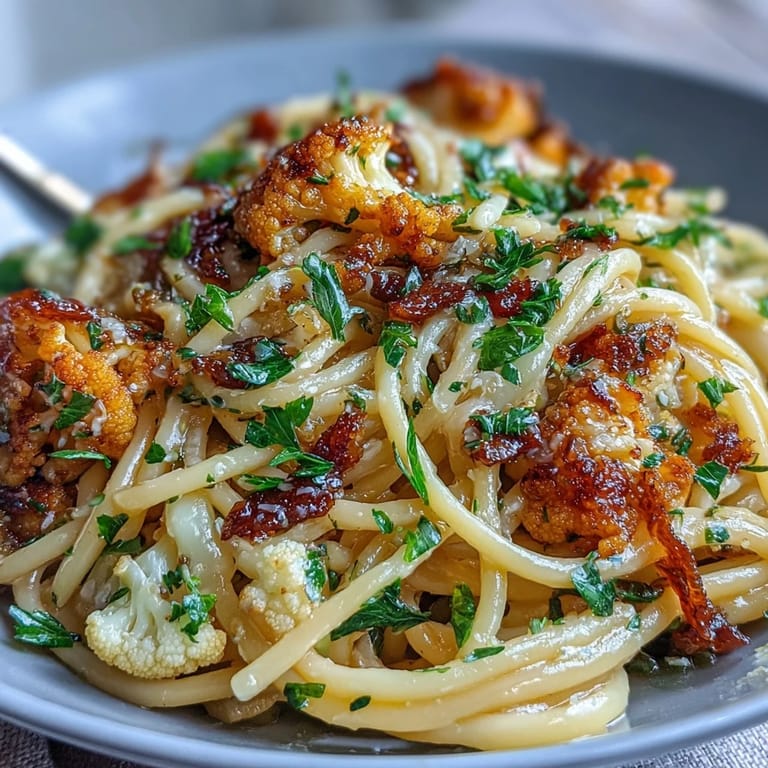
Save There's a particular kind of quiet satisfaction that comes from watching someone taste this for the first time and seeing their eyes go a little wide as they try to figure out what they're eating. It's the kind of dish that reminds you that some of the best meals don't come from complicated techniques or rare ingredients, but from understanding how a few simple things can work together in unexpected harmony.
The Magic of Umami and Sweetness
This dish works because it plays with contrast—the savory depth of anchovies and capers creates an umami foundation that makes your mouth water, while the raisins add a subtle sweetness that shouldn't complement it but does. The lemon zest and parsley cut through everything at the last second, preventing any one flavor from dominating and keeping your palate interested all the way through. It's a lesson I keep learning: sometimes the most interesting flavors are the ones that seem like opposites on paper.
Making It Your Own
The beauty of this recipe is how flexible it is without losing its soul. You can switch golden raisins for currants if you want something a bit more tart, or add a handful of toasted pine nuts for crunch. Some people swear by a pinch of red pepper flakes for heat, while others prefer their version mild enough for a quiet dinner alone. The structure stays the same—roasted vegetable, umami anchor, pasta, bright finish—but the details can shift based on what's calling to you that day.
Serving and Pairing Ideas
Serve this hot, ideally in shallow bowls so the sauce clings properly and everything stays glossy rather than cooling into something clumpy. If you want to gild the lily, add a drizzle of your best olive oil and maybe a small handful of extra parsley on top. A crisp, dry white wine like Verdicchio cuts through the richness beautifully, or if you're avoiding wine, sparkling water with lemon works just as well.
- For added crunch and textural interest, sprinkle toasted pine nuts or panko breadcrumbs over the finished dish.
- If you're making this gluten-free, swap in your preferred gluten-free spaghetti and check that your capers and anchovies are certified if that matters to you.
- Leftovers actually taste better the next day after the flavors have mingled overnight, though you'll want to warm it gently with a splash of water or oil so it doesn't dry out.
 Save
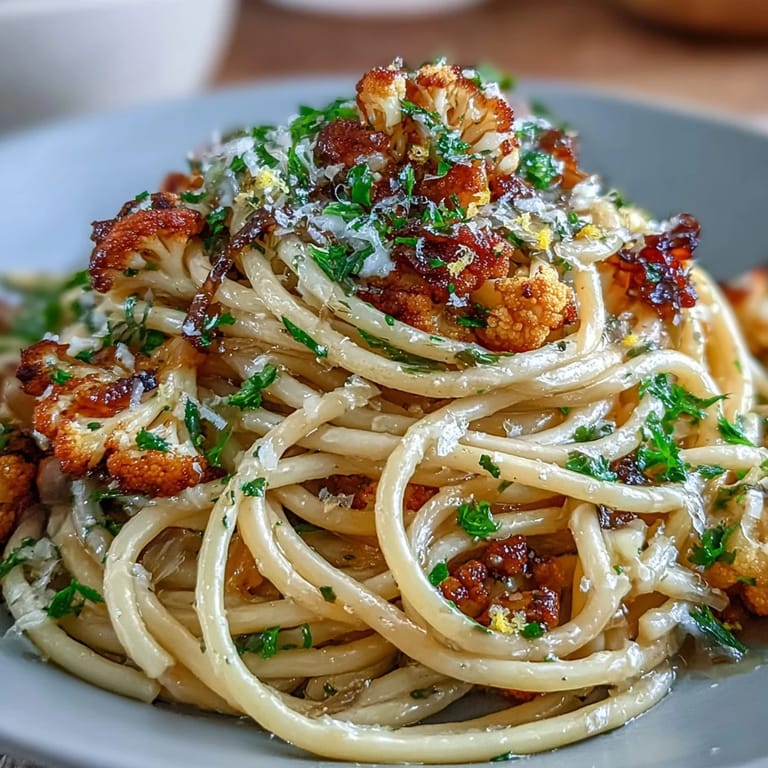
Save This is the kind of recipe that proves you don't need a long ingredient list or hours at the stove to eat something that feels special. Once you've made it once, it becomes the dinner you reach for when you want something that tastes intentional without requiring intention.
Recipe FAQ Section
- → Can I substitute the anchovies with something else?
While anchovies provide essential umami depth, you can substitute with 2 tablespoons of capers or 1 tablespoon of miso paste for a vegetarian alternative. However, the distinctive savory flavor will differ from the original.
- → How do I prevent the cauliflower from becoming mushy?
Cut cauliflower into uniform small florets and roast at high heat (220°C/425°F) without overcrowding the baking sheet. Turn once during roasting to ensure even golden browning and maintain a tender yet firm texture.
- → What type of pasta works best for this dish?
Whole wheat spaghetti provides nutty flavor and holds the sauce well. You can also use linguine, bucatini, or gluten-free pasta varieties. Just ensure you reserve pasta water for achieving the right sauce consistency.
- → Can I prepare components ahead of time?
Yes, roast the cauliflower up to 2 days in advance and store refrigerated. The anchovy-caper mixture can also be prepared ahead. Cook pasta fresh and combine all components just before serving for best texture and flavor.
- → How do I balance the sweetness of raisins?
The raisins provide subtle sweetness that balances the salty anchovies and capers. If you prefer less sweetness, reduce raisins to 2 tablespoons or substitute with sun-dried tomatoes for a more savory profile.
- → What wine pairs well with this pasta?
A crisp, dry white wine like Verdicchio, Pinot Grigio, or Vermentino complements the anchovy umami and cauliflower sweetness beautifully. The wine's acidity cuts through the richness while enhancing the Mediterranean flavors.