 Save
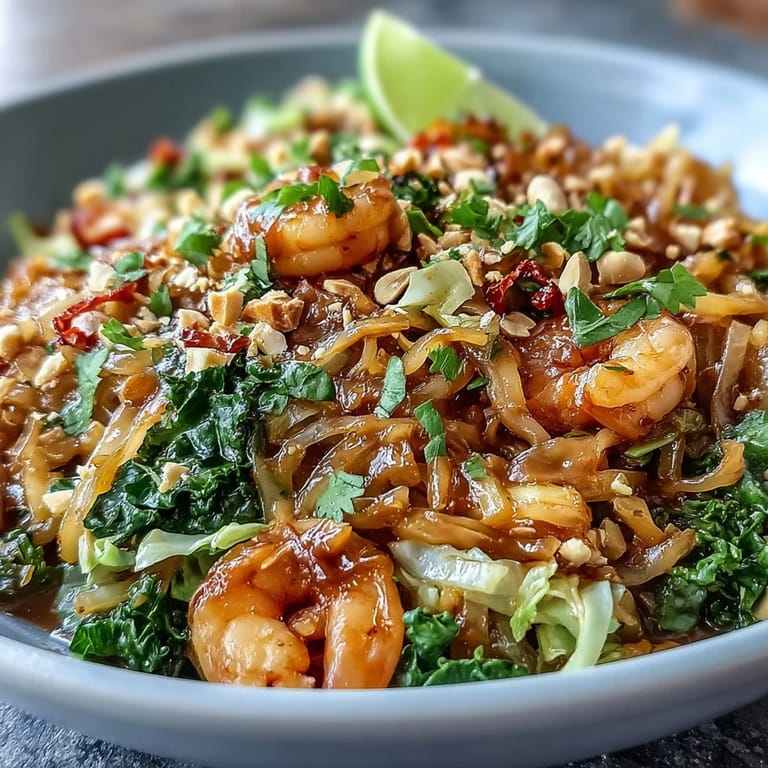
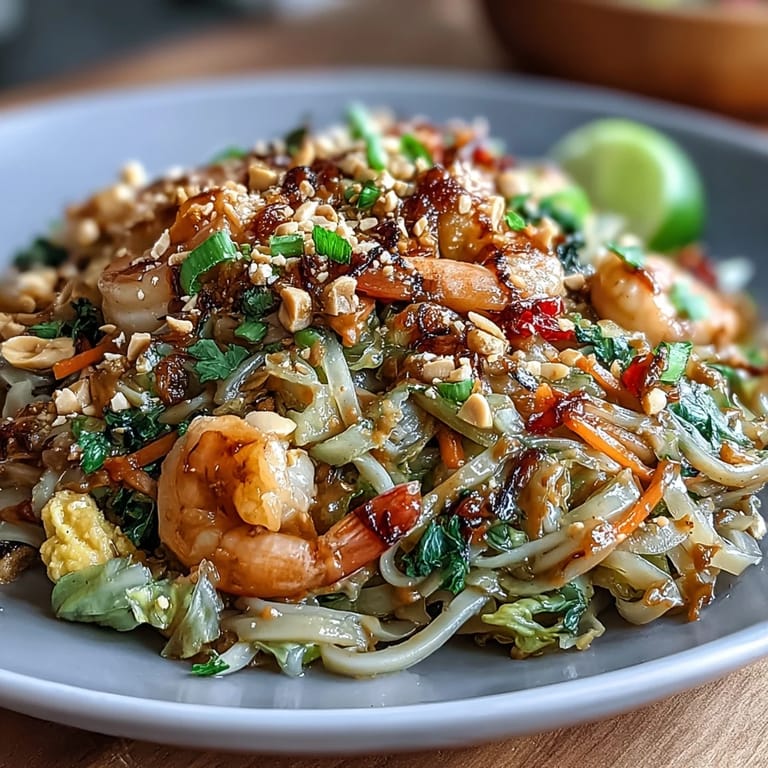
Save Steam danced up from the skillet as the first hint of ginger sizzled—I wasn’t even planning to cook that day, but a half head of cabbage in the fridge started everything. The colors came together on my cutting board brighter than a traffic jam in Bangkok, and suddenly dinner seemed fun. This Cabbage Pad Thai was born from a craving for those familiar tangy flavors, but with fewer carbs and more crunch. I kept tasting along the way, tweaking the sauce and sneaking bites before anyone noticed. There’s a playfulness to swapping noodles for vegetables, like discovering a shortcut only your taste buds know about.
I remember making this for a weeknight dinner when a friend showed up with last-minute news—her day had been brutal, and the kitchen filled with the scent of lime and garlic seemed to slow her down. We cracked jokes while scrambling eggs and debated if the cabbage ‘noodles’ were genius or just my latest food phase. That evening, everyone went back for seconds, picking peanuts off the cutting board with their fingers.
Ingredients
- Green cabbage: The heart of this dish—shred it thinly for noodles that soak up sauce and keep their crunch.
- Carrot: Julienned for a splash of sweetness and bright color—don’t skip, even if your grater feels like a workout.
- Red bell pepper: Sliced thin, it offers crispness and that flash of red you can’t resist.
- Scallions: Keep the whites and greens separate; the whites build flavor at the start, while the greens liven things up at the end.
- Garlic & ginger: Mince both fresh for a fragrant base—the aromas tell you when it’s time to move to the next step.
- Eggs: Scrambled right in the pan for silky bits that cling to cabbage where noodles would have been.
- Cooked chicken, shrimp, or tofu: Your protein pick—each brings its own character, but tofu makes it veggie-friendly.
- Tamari or soy sauce: The essential salty backbone; tamari if you need it gluten free.
- Fish sauce: Boosts umami, but skip or swap for more tamari if you’re keeping it vegetarian.
- Lime juice: Cuts the richness with acidity—fresh lime is worth the squeeze.
- Unsweetened peanut butter: A little gives body and that subtle roasted flavor.
- Erythritol, monkfruit, or honey: A sweetener balances the sauce—taste and adjust for your preferred sweetness.
- Chili flakes or Sriracha: Optional, for those who like a little fire.
- Roasted unsalted peanuts: Roughly chopped for a salty, crunchy finish.
- Fresh cilantro: Scattered on top, it makes every forkful fresher.
- Lime wedges: Serve extra at the table—everyone squeezes their own.
Tired of Takeout? 🥡
Get 10 meals you can make faster than delivery arrives. Seriously.
One email. No spam. Unsubscribe anytime.
Instructions
- Mix the Sauce:
- In a small bowl, whisk tamari, fish sauce, lime juice, peanut butter, sweetener, and chili together until smooth—taste it, it should make you want to dance.
- Sizzle the Aromatics:
- Heat a splash of oil in a big skillet and toss in the garlic, ginger, and white scallion parts—stir until they smell irresistible, about 1 minute.
- Vegetable Stir-Fry:
- Add cabbage, carrots, and bell pepper, stir-frying for 4–5 minutes—the veggies should yield a bit but still feel crisp under your spatula.
- Egg Scramble:
- Push the veggies aside, crack in the eggs, and scramble just until softly set—then mix them through the vegetables so every bite gets a little.
- Add Protein and Sauce:
- Drop in your cooked chicken, shrimp, or tofu. Drizzle with the sauce and toss everything over the heat another 2–3 minutes, until glossy and hot.
- Finish and Serve:
- Off the heat, top with green scallions, peanuts, cilantro, and lime wedges—bring the skillet straight to the table, if you dare.
 Save
Save 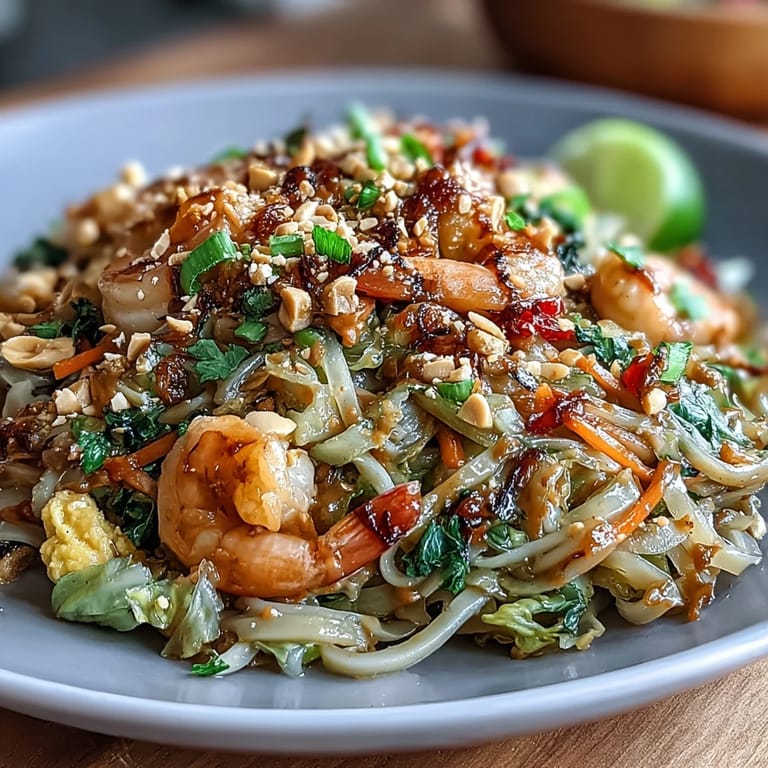 Save
Save Sometime last autumn, I made this for lunch and found myself absentmindedly humming along to a podcast, letting the kitchen fill with the scent of peanut and citrus. When I finally sat down, every crunchy bite felt like a cheerful reset for the rest of the day.
Choosing Your Best Cabbage
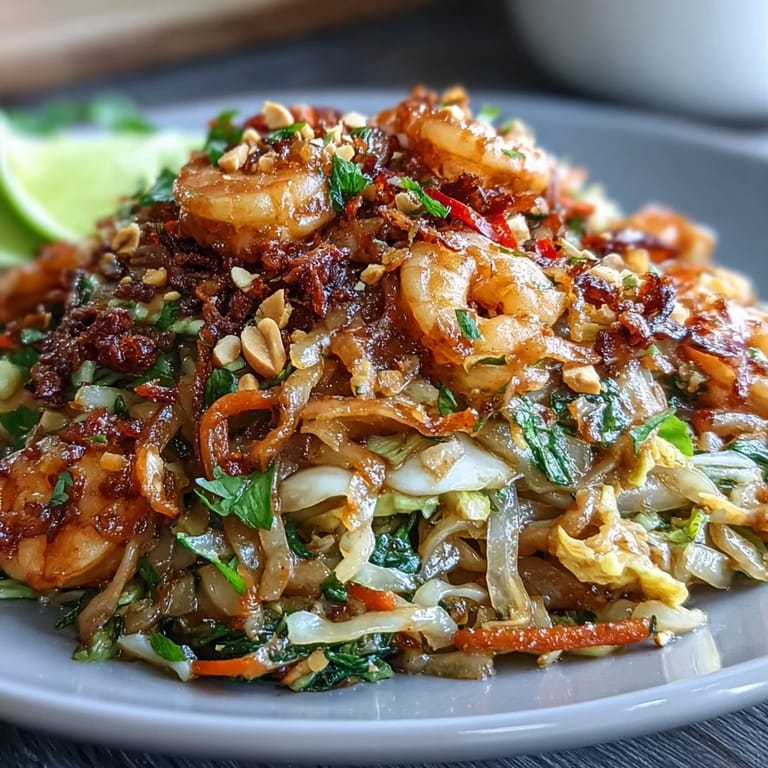
The key to that noodle-like texture really is how finely you slice the cabbage—practice your knife skills and the ribbons will twirl just right with a fork, holding sauce like a champ. Don’t be afraid to use a mandoline if you’ve got one, but watch your fingers (I learned this by nicking a knuckle mid-chop).
Swapping Proteins for Variety
Rotating chicken, shrimp, or tofu keeps each batch feeling new, and even picky eaters start to look forward to a surprise protein. My partner once snuck in extra tofu cubes while I was distracted with garnishes, and I barely noticed—until the leftovers disappeared faster than usual.
Pad Thai Night Shortcuts and Extras
I’ve found that prepping ingredients in advance—cabbage sliced and sauce mixed—makes for a breezy dinner even on the craziest evenings. If you need a bit more crunch, toss some bean sprouts on top after cooking, or drizzle a whisper of sesame oil before serving for deep flavor.
- Peanuts are a must, but extra lime wedges at the table make every plate brighter.
- Bean sprouts add fun texture if you have them in the fridge.
- Don’t shy from personal touches—this dish is more forgiving than it looks.
 Save
Save  Save
Save This Cabbage Pad Thai is proof that sometimes shortcuts lead to something special. Hope it surprises you with both freshness and comfort in every bite.
Recipe FAQ Section
- → Can I make this vegetarian or vegan?
Yes. Swap fish sauce for extra tamari or a splash of tamarind, use firm tofu for protein, and omit the eggs or scramble crumbled tofu in their place for a vegan option.
- → How do I keep the cabbage crisp and not soggy?
Use medium-high heat and stir-fry briefly until just tender-crisp. Avoid adding too much liquid at once and add the sauce at the end so the cabbage retains crunch.
- → What protein works best with these flavors?
Cooked chicken, shrimp or firm tofu all pair well. Slice proteins thinly and add them at the end to warm through without overcooking.
- → Can I make it gluten-free?
Yes. Use tamari labeled gluten-free instead of soy sauce and ensure any other condiments are free from gluten-containing ingredients.
- → How should leftovers be stored and reheated?
Store leftovers in an airtight container in the fridge for up to 3 days. Reheat gently in a skillet over medium heat, adding a splash of water or lime juice to revive the sauce and loosen the vegetables.
- → Any tips for boosting texture and flavor?
Toss in a dash of toasted sesame oil at the end, add bean sprouts for extra crunch, and top with chopped roasted peanuts and fresh cilantro right before serving.