 Save
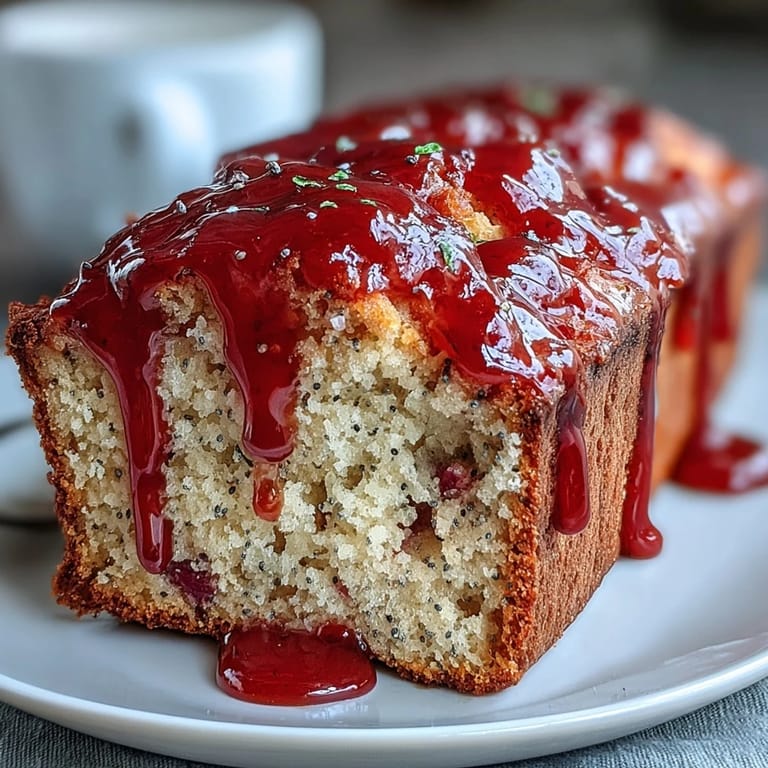
Save A few winters ago, I found myself standing in a farmers market holding a bag of blood oranges, their deep crimson skin almost glowing in the winter light. The vendor mentioned they were perfect for baking, and something about that jewel-toned fruit made me want to create something special that afternoon. That's when this loaf cake was born—a celebration of citrus that somehow feels both elegant and completely approachable, with those tiny poppy seeds catching the light and marzipan keeping everything tender and impossibly moist.
I made this for my neighbor's book club last spring, and watching everyone's faces light up when they tasted that first bite—before they even noticed the deep red color—taught me that good food speaks for itself. She asked for the recipe three times that evening, each time insisting I must be leaving out some secret ingredient because it was so good.
Ingredients
- All-purpose flour (200 g): The foundation of your cake; don't sift it unless your flour is lumpy, as this can overwork the gluten and make the crumb dense.
- Baking powder (1 ½ tsp): This lifts the cake gently, so it doesn't need much—measure carefully because too much will make it crumbly and dry.
- Salt (¼ tsp): A quiet ingredient that amplifies the citrus flavor without making anything taste salty.
- Poppy seeds (2 tbsp): Toast them lightly in a dry pan for 30 seconds before adding if you want a deeper, nuttier flavor.
- Unsalted butter (120 g), softened: Cold butter won't cream properly; leave it on the counter for 20 minutes until it's soft enough that your finger leaves a slight indent.
- Granulated sugar (200 g): This creams with the butter to trap air, so don't rush this step—those 3 minutes of beating make a real difference in texture.
- Blood orange zest (from 2 oranges): Use a microplane or the smallest holes on your box grater; you want fine zest that distributes evenly, not chunky pieces that will be bitter if overcooked.
- Large eggs (2): Room temperature eggs blend more smoothly into the batter, creating a seamless crumb structure.
- Marzipan (80 g), grated: Chill it slightly before grating so it doesn't turn into a sticky paste; grating it on the large holes of your box grater works perfectly.
- Blood orange juice (120 ml): Fresh juice is essential here—bottled loses that delicate floral note that makes this cake sing.
- Whole milk (60 ml): This balances the acidity of the orange juice and keeps the crumb tender.
- Vanilla extract (1 tsp): A small amount that whispers in the background, never announcing itself.
- Powdered sugar (120 g) for glaze: Sift it if it's lumpy; a lumpy glaze looks careless.
- Blood orange juice (2–3 tbsp) for glaze: Add it slowly until you reach a pourable consistency—you want something that drips elegantly, not runs off the sides.
Tired of Takeout? 🥡
Get 10 meals you can make faster than delivery arrives. Seriously.
One email. No spam. Unsubscribe anytime.
Instructions
- Prepare Your Space:
- Preheat your oven to 175°C (350°F) and grease that loaf pan generously before lining it with parchment paper—this prevents sticking and makes life easier when you slide the cooled cake out. Let your butter sit on the counter; you want it soft and yielding, not melted or cold.
- Mix Your Dry Team:
- Whisk flour, baking powder, salt, and poppy seeds together in a medium bowl, breaking up any tiny lumps as you go. This distributes the leavening evenly so you don't get risen peaks and sunken valleys in your finished loaf.
- Cream the Foundation:
- Beat softened butter, sugar, and blood orange zest together for about 3 minutes until it looks pale, fluffy, and almost whipped—you'll see it transform from dense to cloud-like. This is where the magic happens; you're trapping air that will help the cake rise and creating an emulsion that keeps everything moist.
- Introduce the Eggs Gently:
- Add eggs one at a time, beating well after each addition so they incorporate fully before you add the next one. If you dump both in at once, they won't blend smoothly and the batter will look curdled and sad.
- Fold in the Marzipan:
- Using a rubber spatula, fold the grated marzipan into the creamed mixture with gentle strokes until you don't see visible pieces anymore. The marzipan will partially dissolve and partially stay as tiny pockets of almond goodness.
- Combine Your Wet Mixture:
- Whisk blood orange juice, milk, and vanilla extract together in a separate bowl; this keeps them from curdling when they meet the acidic zest. Set it aside and take a breath—you're halfway there.
- Build the Batter Carefully:
- Add the dry ingredients to the butter mixture in three additions, alternating with the blood orange mixture, and start and end with dry ingredients. Mix gently after each addition just until you don't see any white streaks—overmixing will make the cake tough and chewy instead of tender.
- Transfer to the Pan:
- Pour the batter into your prepared loaf pan and smooth the top with a spatula, pressing gently into the corners. A smooth top means even baking and a prettier finished cake.
- Bake with Patience:
- Bake for 45–55 minutes; every oven is different, so start checking at 45 minutes by inserting a toothpick into the center. When it comes out clean or with just a tiny crumb or two (not wet batter), you're done—underbaked is forgivable, but overbaked is hard and sad.
- Cool Strategically:
- Let the cake rest in the pan for 10 minutes so it sets enough to handle, then turn it out onto a wire rack to cool completely. Trying to glaze a warm cake means the glaze will melt and run off; patience here pays off.
- Make and Apply the Glaze:
- Whisk powdered sugar with blood orange juice a tablespoon at a time until you reach a smooth, pourable consistency that drips lazily from a spoon. Drizzle it over the completely cooled cake in whatever pattern feels right—crooked and organic looks beautiful.
 Save
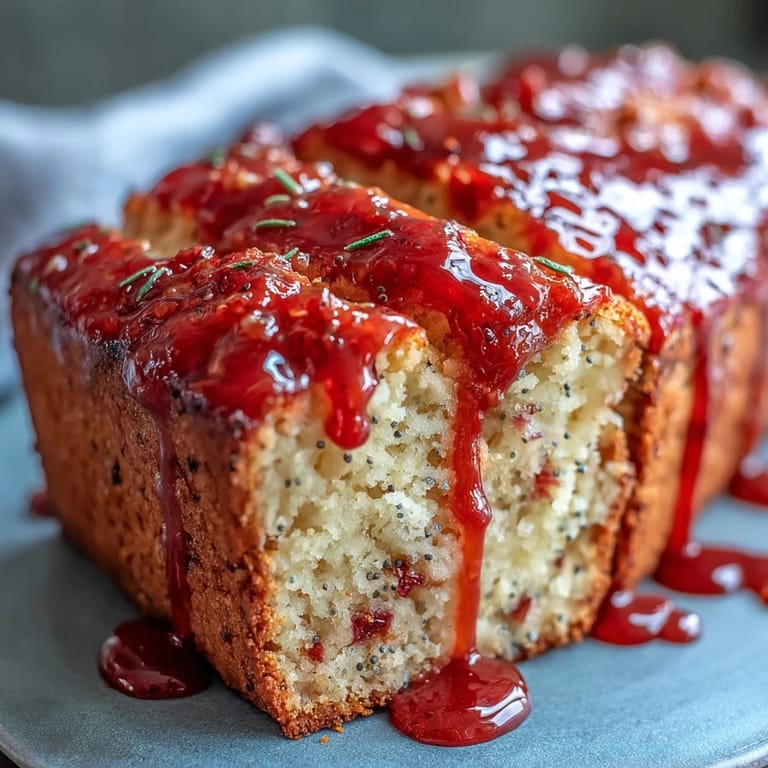
Save There's something about offering someone a slice of this cake that feels like sharing a small gift—the deep ruby color, the perfume of blood orange and almond, the moisture that keeps it fresh and inviting days after you've made it. It's the kind of cake that makes people ask if you've taken up professional baking, which is funny because it's actually quite forgiving.
Why Blood Orange Matters Here
Blood oranges have a floral, slightly berry-like quality that regular oranges just don't have—they're more delicate and sophisticated, which is why this cake tastes special rather than just citrusy. The deep ruby color comes from anthocyanins, the same compounds that make pomegranates and berries beautiful, so you're not adding food coloring or anything artificial; you're getting that jewel-tone from real fruit. I tried making this with regular oranges once, and while it was fine, it was missing that slightly mysterious depth that makes people pause mid-bite and ask what exactly they're tasting.
The Marzipan Secret
Marzipan is basically almonds and sugar ground into a paste, and when you grate it into your batter, it does two beautiful things simultaneously: it dissolves partially into the batter, making the cake more moist and tender, and it leaves behind tiny pockets of pure almond flavor that surprise you with each bite. Some people think marzipan is intimidating or fancy, but it's really just a shortcut to richness—it does the work of multiple ingredients in one. If you can't find marzipan or prefer a deeper almond flavor, almond paste works too, though it's slightly less sweet and will give you a more pronounced nutty taste.
Storage and Serving
This cake gets better on day two because the moisture from the citrus juice and marzipan continues to distribute and soften the crumb—so make it a day ahead if you're entertaining. Keep it covered at room temperature in an airtight container, and it will stay fresh and lovely for 2–3 days, which means you can enjoy it without guilt for several breakfasts.
- Slice it thick and serve it with Earl Grey tea or a glass of Prosecco for an elegant afternoon moment.
- If you want to add a splash of orange liqueur to the glaze for extra sophistication, add it before the powdered sugar so it dissolves smoothly.
- Room temperature cake slices cleanly and tastes better than cold cake, so pull it from storage 15 minutes before serving.
 Save
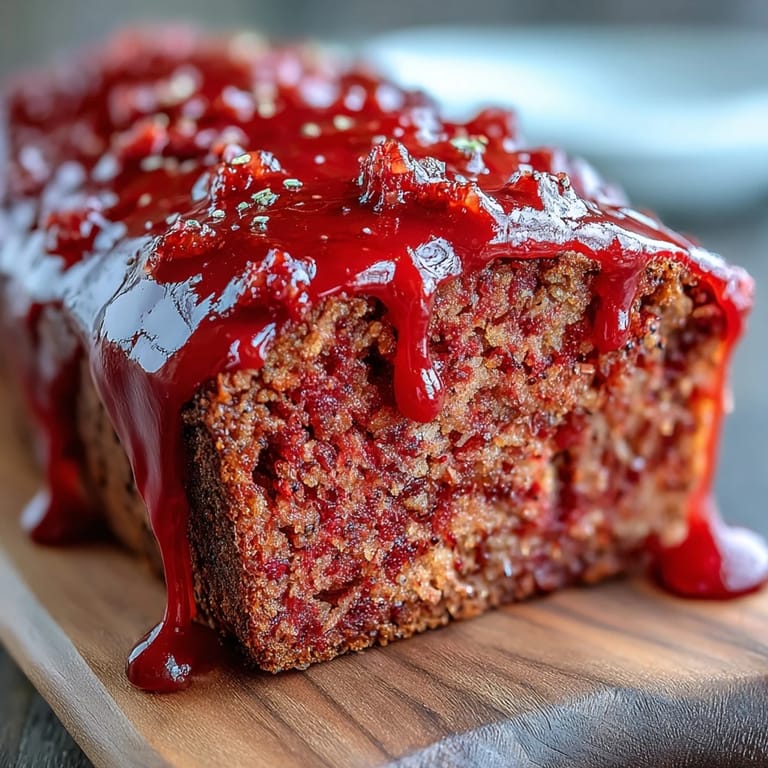
Save Making this cake means you're not just following a recipe; you're creating something that looks and tastes like you spent hours in the kitchen, even though you really didn't. It's the kind of thing that makes an ordinary afternoon feel a little bit special.
Recipe FAQ Section
- → Can I use regular oranges instead of blood oranges?
Yes, you can substitute regular oranges, though you'll lose the distinctive ruby color and slightly sweeter, berry-like flavor that blood oranges provide. The cake will still be delicious and aromatic.
- → How do I know when the loaf cake is fully baked?
Insert a toothpick into the center of the cake—it should come out clean or with just a few moist crumbs. The cake should also spring back lightly when touched and pull away slightly from the pan edges.
- → Can I make this cake without marzipan?
Yes, you can omit the marzipan or replace it with almond paste for a deeper almond flavor. Alternatively, add an extra tablespoon of butter and a teaspoon of almond extract for moisture and flavor.
- → How should I store the leftover cake?
Store the cake in an airtight container at room temperature for 2-3 days. For longer storage, wrap it tightly and refrigerate for up to 5 days, or freeze for up to 2 months.
- → What can I serve with this blood orange loaf cake?
This cake pairs beautifully with Earl Grey tea, coffee, or a glass of Prosecco. You can also serve it with whipped cream, mascarpone, or a dollop of Greek yogurt for added richness.
- → Can I add other ingredients to customize the cake?
Absolutely! Try adding a splash of orange liqueur to the batter or glaze, fold in white chocolate chips, or sprinkle sliced almonds on top before baking for extra texture and flavor.